Supreme Court Considers Trump's Birthright Citizenship Order: What It Means for You
The Supreme Court is reviewing Trump's attempt to limit birthright citizenship. We break down the case, its implications, and what it could mean for the future of immigration in the US.
Supreme Court Hears Challenge to Trump's Birthright Citizenship Push
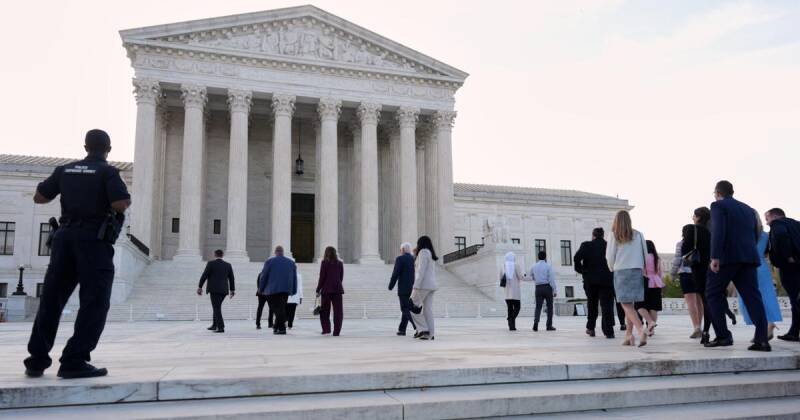
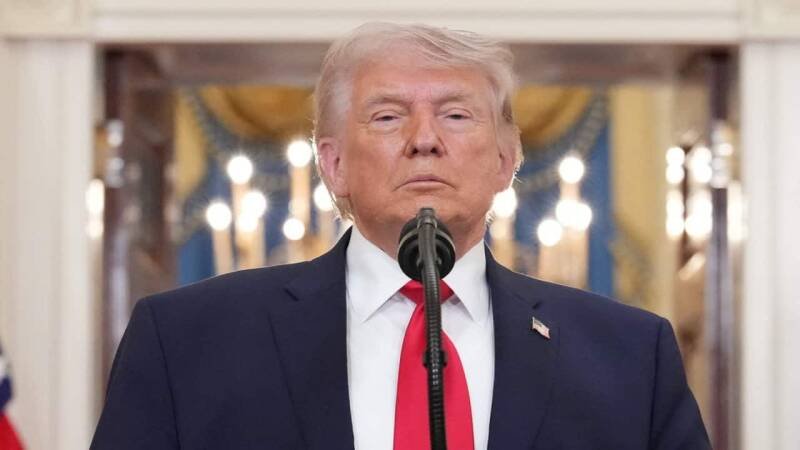
The Supreme Court is now considering a pivotal case concerning former President Donald Trump's executive order that aimed to redefine birthright citizenship. Trump's order sought to deny automatic citizenship to children born in the United States to parents who are either undocumented or on temporary visas. This case strikes at the heart of a long-standing interpretation of the 14th Amendment.
What's the Case About?
At the core of this legal battle is the interpretation of the 14th Amendment to the U.S. Constitution, which states that all persons born or naturalized in the United States and subject to its jurisdiction are citizens. Trump’s executive order attempted to narrow this definition, arguing that children of undocumented immigrants or those on temporary visas are not fully "subject to the jurisdiction" of the United States.
This argument is contentious, as the prevailing understanding has long been that birth within U.S. borders automatically confers citizenship, regardless of parental status. The legal challenge asserts that Trump's order is unconstitutional and violates the established principles of birthright citizenship.
Why This News Matters
This case has profound implications for millions of people living in the United States. If the Supreme Court upholds Trump's executive order, it could dramatically reshape immigration policy and the rights of future generations. Here's why it matters:
- Alters Citizenship Rights: It could fundamentally change who is considered a U.S. citizen.
- Impacts Immigrant Families: It directly affects families with undocumented or temporary visa holders, creating uncertainty and potentially separating families.
- Sets a New Legal Precedent: The Supreme Court's decision will establish a new legal precedent for interpreting the 14th Amendment.
- Political Ramifications: The outcome could further fuel the already heated debate surrounding immigration policy in the United States.
Our Analysis
In our opinion, Trump’s executive order faced a steep uphill battle in the courts from the beginning. The long-standing interpretation of the 14th Amendment, backed by decades of legal precedent, strongly favors birthright citizenship. To overturn this established understanding would require a significant departure from legal tradition.
However, the current composition of the Supreme Court, with its conservative majority, introduces an element of uncertainty. While a straightforward reading of the Constitution and existing case law suggests that Trump's order is unlikely to stand, the Court's past decisions indicate a willingness to reconsider established precedents.
The Legal Arguments
The primary legal argument against Trump’s order rests on the plain language of the 14th Amendment and the historical understanding of its framers. Opponents argue that the amendment was explicitly intended to grant citizenship to all persons born within the U.S., regardless of their parents' immigration status.
Conversely, supporters of the order contend that the phrase "subject to its jurisdiction" implies a level of allegiance and obligation that is not met by undocumented immigrants or those on temporary visas. They argue that these individuals are not fully integrated into the U.S. legal and social system and, therefore, their children should not automatically be granted citizenship.
Future Outlook
The Supreme Court's decision will have a lasting impact on U.S. immigration policy and the lives of countless individuals. If the Court upholds Trump's order, it could lead to a wave of litigation and legislative efforts aimed at further restricting immigration rights. Conversely, if the Court rejects the order, it will reaffirm the principle of birthright citizenship and provide stability to immigrant families.
This could impact the upcoming elections as well. This case is highly politicized, and the outcome will likely become a central issue in the ongoing debate over immigration reform. Regardless of the Court's decision, the issue of birthright citizenship is sure to remain a contentious topic in American politics for years to come.
We anticipate a ruling within the next few months. The impact will be felt for decades.