Soldiers' Monument in New Mexico: From Controversy to Hispanic Pride
Explore the story of the Soldiers' Monument in New Mexico, its history, controversy, and evolving role as a symbol of Hispanic pride and veteran recognition.



Explore the story of the Soldiers' Monument in New Mexico, its history, controversy, and evolving role as a symbol of Hispanic pride and veteran recognition.
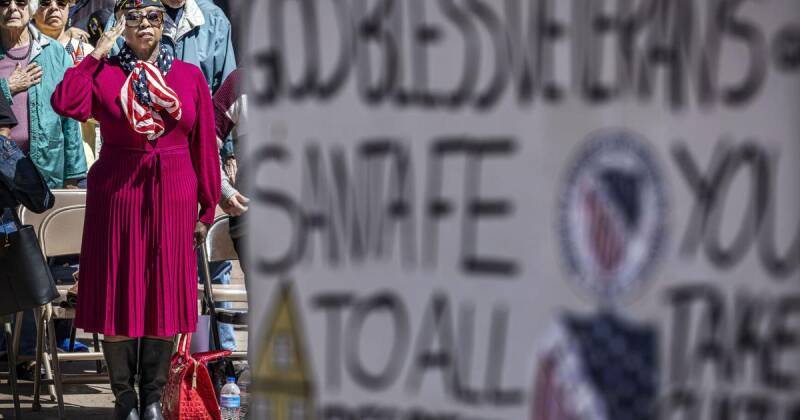
In Santa Fe, New Mexico, the Soldiers' Monument, a historical landmark, has become a focal point of discussion and evolving meaning. Originally erected by the Territorial Legislature, it's now a site where Hispanic and veterans' groups gather to commemorate significant battles like Glorieta Pass and Valverde, even as small groups of protesters voice dissenting opinions.
The Soldiers' Monument was conceived in a different era, reflecting the values and perspectives of the time it was built. Its initial purpose was to honor soldiers who fought in various conflicts. However, its meaning has been reinterpreted and debated throughout the years, particularly concerning its representation of diverse cultures and perspectives within New Mexico's rich history.
This story is important because it highlights the ongoing process of re-evaluating historical monuments and their significance in modern society. The Soldiers' Monument's transformation from a potentially divisive symbol into one embraced by Hispanic and veteran communities reflects a growing awareness of inclusive storytelling and the need to acknowledge the contributions of all cultures in shaping the state's identity.
Furthermore, it showcases how historical markers can be repurposed to promote unity and understanding. The monument's evolving narrative serves as a reminder that history is not static; it's constantly being reinterpreted and recontextualized based on changing societal values and perspectives.
In our opinion, the key takeaway is the power of community engagement in shaping the meaning of historical sites. The fact that Hispanic and veterans' groups actively use the monument for commemorative events demonstrates a proactive approach to reclaiming and redefining its symbolism.
The presence of protesters, while indicative of remaining divisions, also highlights the importance of open dialogue and the need to acknowledge diverse viewpoints. This situation underscores the complexity of historical interpretation and the necessity of engaging in respectful conversations about the past.
This could impact other historical monuments across the country. As communities grapple with the legacy of controversial figures and events, the example of the Soldiers' Monument offers a potential model for reinterpreting historical sites in a way that promotes inclusivity and understanding.
The future of the Soldiers' Monument will likely involve continued dialogue and negotiation between various stakeholders. It's possible that interpretive signage or educational programs will be added to provide a more nuanced understanding of the monument's history and its evolving significance.
We anticipate that the monument will continue to serve as a gathering place for Hispanic and veteran communities, while also prompting ongoing conversations about historical representation and cultural identity within New Mexico. The outcome could be a more inclusive and comprehensive understanding of the state's complex past.
The Soldiers' Monument's story is a reminder that history is not just about the past; it's about how we understand and interpret it in the present and how we use that understanding to shape a more inclusive future.