Sicamous Forest Road Deactivation Sparks Controversy: What You Need to Know
BC Timber Sales proposes deactivating a forest service road near Sicamous, sparking debate over access, logging, and environmental impact. Learn about the controversy and its potential future.
Sicamous Forest Road Deactivation Sparks Controversy: What You Need to Know
The Heart of the Matter: A Forest Road at Risk
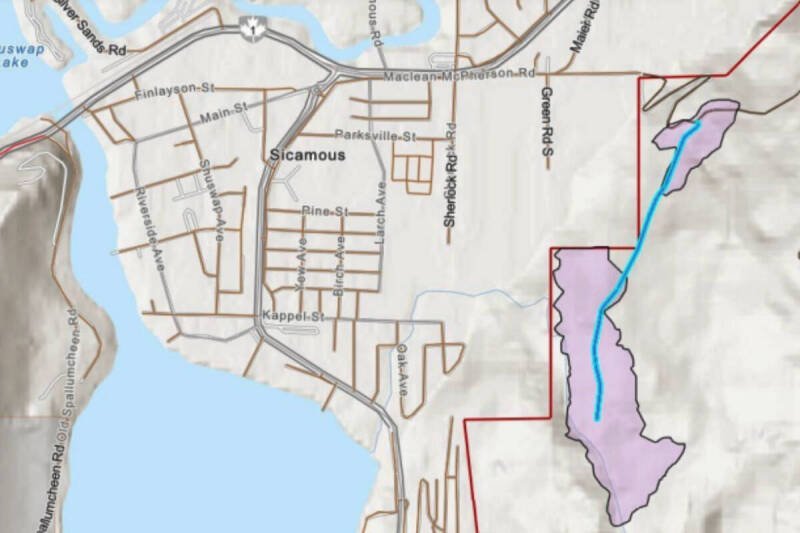
A proposal by BC Timber Sales (BCTS) to deactivate a forest service road near Sicamous, British Columbia, has ignited a significant debate within the community and among stakeholders. The road, vital for recreation, forestry activities, and potentially fire suppression, is now facing potential closure, leading to concerns about accessibility and economic impacts.
Deactivation typically involves measures like removing culverts, re-contouring the road surface, and planting vegetation to prevent vehicle access and promote natural restoration. While these measures aim to reduce environmental impacts, they also limit or eliminate future road use.
Why Deactivate a Road?
BC Timber Sales, the provincial government agency responsible for selling timber harvesting rights on public land, argues that deactivation is sometimes necessary for environmental reasons. Deactivated roads can reduce sediment runoff into streams, protect wildlife habitats, and prevent unauthorized access that could lead to environmental damage or illegal activities.
Community Pushback: Access and Economy at Stake
Local residents and forestry operators are expressing strong opposition to the proposed deactivation. They argue that the road is essential for various purposes, including:
- Recreation: Hiking, biking, hunting, and other outdoor activities.
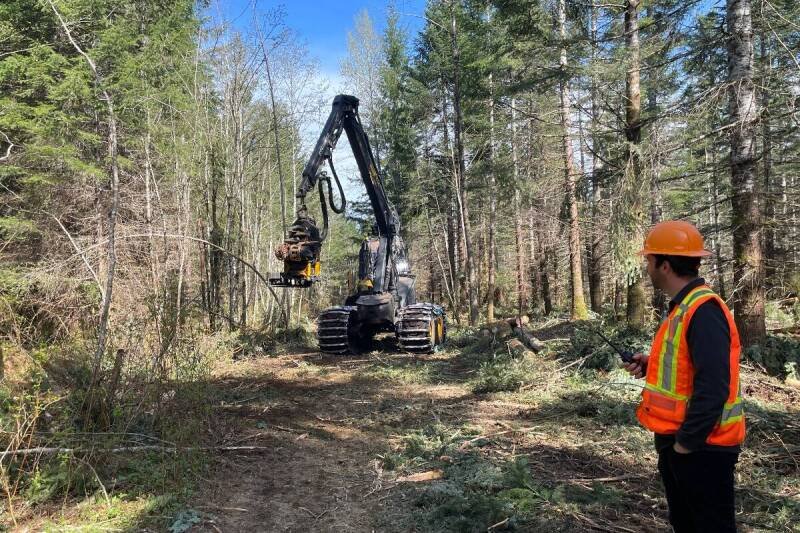
- Forestry Operations: Continued timber harvesting and management.
- Fire Suppression: Providing access for firefighters in case of wildfires.
- Emergency Access: Serving as an alternative route during emergencies.
Critics argue that deactivating a road that could be useful for multiple purposes doesn't make sense, particularly considering the limited road infrastructure in the region. They also voice concerns about the potential economic consequences for the local forestry industry, which relies on these roads to access timber resources.
Why This News Matters
This situation highlights the complex balancing act between environmental protection, economic development, and community access in British Columbia's forestry sector. The decision to deactivate a forest service road can have far-reaching consequences, affecting not only the environment but also the livelihoods and recreational opportunities of local residents. It underscores the importance of transparent decision-making processes and meaningful community engagement in resource management.
Our Analysis
In our opinion, the BCTS proposal highlights a recurring tension between short-term cost savings (associated with road deactivation) and the long-term benefits of maintaining access and supporting local economies. While environmental protection is undoubtedly important, a more holistic approach that considers the socio-economic impacts of road deactivation is needed.
The lack of clear communication and consultation with the community regarding the deactivation plan appears to be a significant contributing factor to the current conflict. A more collaborative approach, involving all stakeholders, could have led to a more mutually acceptable solution.
Future Outlook
The future of the Sicamous forest service road remains uncertain. If BCTS proceeds with the deactivation plan, it could lead to further conflict and potentially legal challenges. However, there is also an opportunity for BCTS to reconsider its approach and engage in a meaningful dialogue with the community to find a solution that balances environmental concerns with the needs of local residents and the forestry industry.
This situation could impact future forestry practices in the Shuswap region. It might lead to stricter regulations on road deactivation, requiring more thorough environmental assessments and community consultation. It also underscores the need for better planning and management of forest service roads to ensure their long-term sustainability and value.
Ultimately, the outcome of this dispute will likely set a precedent for future decisions regarding forest road management in British Columbia. It’s crucial that the government considers all perspectives and prioritizes solutions that are both environmentally responsible and economically sustainable.