Does Solar Power Increase Electricity Costs for Everyone? Understanding the Impact
Exploring the question: Does the rise of solar power make electricity more expensive? We break down the challenges, benefits, and future outlook of solar energy.
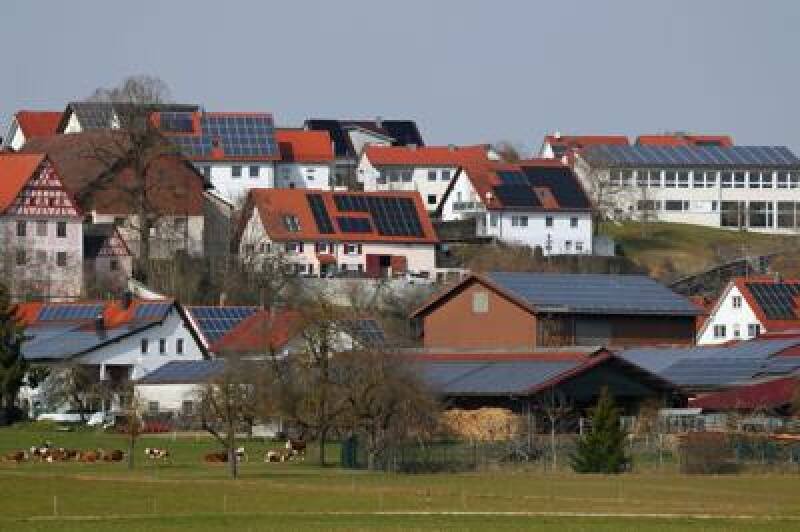



Exploring the question: Does the rise of solar power make electricity more expensive? We break down the challenges, benefits, and future outlook of solar energy.
The promise of solar energy is alluring: clean, renewable power that can save consumers money in the long run. But a common question arises: Does the increasing adoption of solar power actually lead to higher electricity costs for those who don't have solar panels? This is a complex issue with no simple yes or no answer. Let's delve into the factors at play.
The core argument behind the claim that solar power increases costs for others revolves around something called "cost shifting." When homeowners or businesses install solar panels, they reduce their reliance on the traditional power grid. They generate their own electricity, reducing their consumption of electricity supplied by the utility company.
The problem? Utility companies still have fixed costs: maintaining power plants, transmission lines, and other infrastructure. These costs don't disappear just because some customers are using less grid power. To cover these fixed costs, utility companies might raise rates for their remaining customers – those who haven't switched to solar.
However, the situation is far more complicated than a simple cost-shifting scenario. Here's why:
Understanding the economics of solar power is crucial for informed energy policy decisions. If poorly implemented, solar incentives could lead to unintended consequences, such as disproportionately burdening low-income households. On the other hand, well-designed policies can encourage solar adoption while ensuring a fair distribution of costs and benefits. This affects every electricity consumer, whether they have solar panels or not.
In our opinion, the claim that solar power automatically increases electricity costs for everyone is an oversimplification. While cost shifting is a real concern, the benefits of solar power – reduced demand, lower wholesale prices, and grid modernization – often outweigh the potential drawbacks. The key lies in implementing fair and equitable policies that encourage solar adoption without unfairly burdening non-solar customers. These policies should also incentivize utilities to embrace renewable energy and modernize their infrastructure.
The future of solar power looks bright, but its widespread adoption will require careful planning and policy adjustments. We anticipate the following trends:
Ultimately, the success of solar power depends on a holistic approach that considers both its benefits and its challenges. By embracing innovation, implementing smart policies, and investing in grid modernization, we can harness the power of the sun to create a cleaner, more affordable, and more sustainable energy future for all.
























