Raja Ampat Coral Reefs Under Threat: Mining vs. Conservation in Indonesia
Explore the conflict between mining interests and the preservation of Raja Ampat's unique coral reefs in Indonesia. Learn about the potential impacts and the future of this vital marine ecosystem.
Raja Ampat's Paradise Imperiled: Mining Threatens Indonesia's Coral Jewel
Raja Ampat, a stunning archipelago in eastern Indonesia, is renowned for its breathtaking coral reefs and unparalleled marine biodiversity. Often dubbed the "Amazon of the Seas," this underwater paradise is now facing a serious threat: the increasing pressure of mining interests.
This clash between economic development and environmental preservation highlights a critical dilemma facing many nations with rich natural resources. While mining promises economic benefits, it also carries significant risks to fragile ecosystems like Raja Ampat.
The Beauty of Raja Ampat
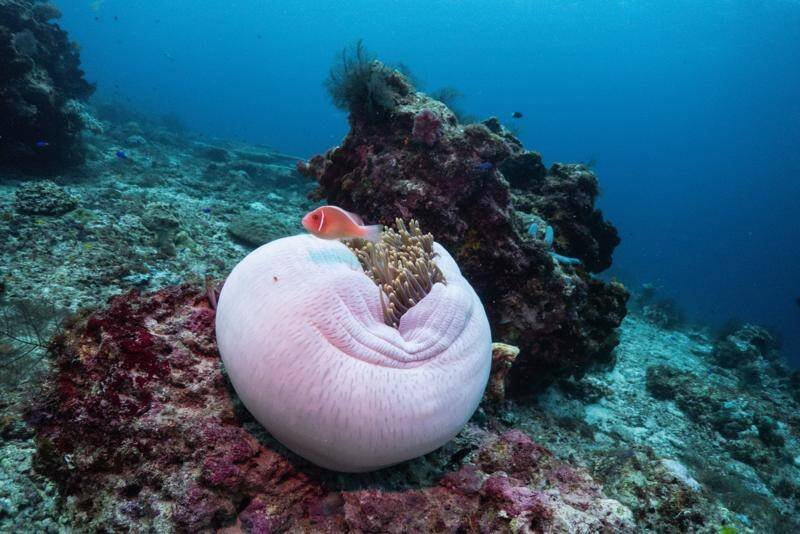
Imagine diving into crystal-clear waters teeming with vibrant coral gardens, schools of colorful fish, and majestic manta rays. That's Raja Ampat. This region boasts the highest marine biodiversity on Earth, making it a global hotspot for conservation efforts and a magnet for eco-tourism.
Protecting this unique environment is crucial not only for its intrinsic value but also for the local communities that depend on it for their livelihoods, primarily through fishing and tourism.
The Looming Mining Threat
The exact details of the mining projects are complex, but the underlying issue is clear: the potential for environmental damage is substantial. Mining operations, particularly those involving nickel extraction (common in Indonesia), can release harmful pollutants into the water, damaging coral reefs and harming marine life.
Sediment runoff from mining activities can smother coral, reducing sunlight and hindering their growth. Chemical pollutants can poison marine organisms and disrupt the delicate balance of the ecosystem. This could have cascading effects throughout the food chain, impacting everything from tiny plankton to large predators.
Why This News Matters
This situation in Raja Ampat is a microcosm of a larger global issue. It reflects the tension between economic development and environmental sustainability. What happens in Raja Ampat could set a precedent for how similar conflicts are resolved in other biodiversity hotspots around the world.
If Raja Ampat's coral reefs are damaged by mining, it will not only be a tragedy for Indonesia but also a loss for the entire planet. These reefs play a crucial role in carbon sequestration, protecting coastlines, and supporting a wealth of marine life.
Our Analysis
In our opinion, a balanced approach is needed. While economic development is important, it should not come at the expense of environmental destruction. Stringent environmental regulations, independent impact assessments, and community involvement are crucial to mitigating the risks of mining in ecologically sensitive areas like Raja Ampat.
We believe that the long-term economic benefits of sustainable tourism and fishing, which depend on a healthy marine ecosystem, should be carefully weighed against the short-term gains from mining. A cost-benefit analysis that incorporates the environmental and social costs of mining is essential for informed decision-making.
Future Outlook
The future of Raja Ampat hinges on the decisions that are made today. Continued pressure from environmental groups, local communities, and international organizations is vital to ensuring that the region's unique marine environment is protected.
This could impact the mining companies decisions as well, hopefully leading to more sustainable extraction measures or ideally leading to a ban in high biodiversity areas. Stricter enforcement of environmental regulations and greater transparency in mining operations are also essential.
Looking ahead, it's crucial to explore alternative development pathways that prioritize sustainability and the well-being of local communities. This could involve investing in eco-tourism, supporting sustainable fishing practices, and promoting conservation education.
Ultimately, the fate of Raja Ampat depends on our collective commitment to protecting this extraordinary natural treasure for future generations.