Rachel Marsden Criticizes Pentagon's Inaction on Trump: Analysis & Future Impacts
Rachel Marsden questions the Pentagon's silence regarding Trump. We analyze the implications, discuss the future outlook, and provide context.
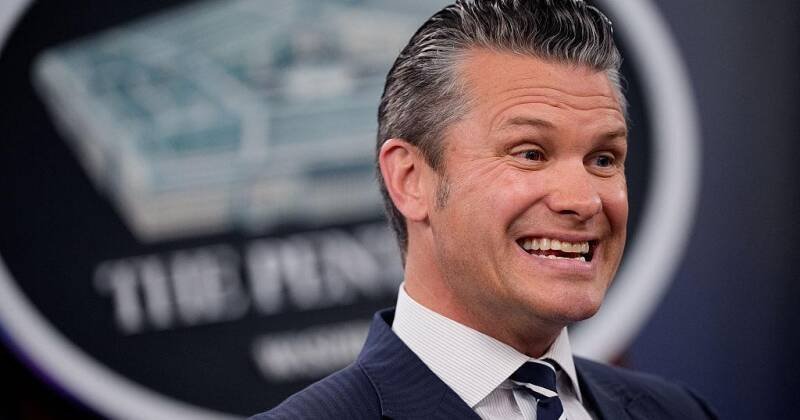



Rachel Marsden questions the Pentagon's silence regarding Trump. We analyze the implications, discuss the future outlook, and provide context.
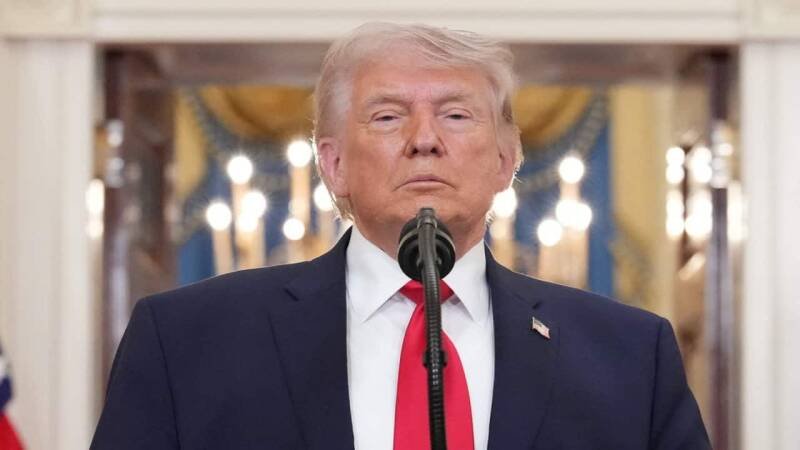
Rachel Marsden, a prominent political commentator, has recently published an article criticizing the Pentagon's perceived inaction regarding former President Donald Trump. Marsden's core argument revolves around the idea that the military, as a guardian of American values and global stability, should be more vocal in addressing potential threats to democracy, even if those threats originate from within the political system.
Marsden doesn't explicitly call for a military coup or intervention. Instead, she questions why the Pentagon, which ostensibly exists to protect the United States, isn't more publicly concerned about what she views as Trump's potential to destabilize the country. Her piece implies that the military should act as a check on executive power, especially when that power is seen as potentially dangerous or authoritarian.
This commentary raises important questions about civil-military relations in the United States. Traditionally, the American military maintains a strict policy of political neutrality. However, Marsden's article taps into a growing debate about whether that neutrality is sufficient when democratic norms are perceived to be under attack. It challenges the accepted boundaries of the military's role in society and asks whether silence equates to complicity.
The article also highlights the deep divisions within American society regarding Donald Trump. While some see him as a strong leader who champions American interests, others view him as a threat to democratic institutions. Marsden's critique reflects the latter perspective and underscores the ongoing anxieties surrounding Trump's continued influence on American politics.
In our opinion, Marsden's argument is provocative and designed to spark debate. It challenges the long-held principle of civilian control of the military, a cornerstone of American democracy. While it's crucial for the military to uphold the Constitution and defend the nation, directly intervening in domestic political disputes could set a dangerous precedent. It could potentially undermine public trust in the military and lead to further political instability.
However, Marsden's underlying concern is valid. There is a legitimate debate to be had about the appropriate boundaries of executive power and the role of various institutions in safeguarding democratic norms. The military, like any other institution, has a responsibility to uphold the Constitution and defend the country against all enemies, foreign and domestic. The question is how to do so without overstepping its bounds and becoming a partisan actor.
The balance between civilian control and the military's duty to protect the Constitution is delicate. Historically, the US military has prided itself on its apolitical stance. This distance from politics aims to prevent the armed forces from being used for partisan purposes and ensures civilian leadership remains supreme. However, Marsden's commentary suggests that this traditional framework might need re-evaluation in an era of heightened political polarization and perceived threats to democratic institutions. The challenge lies in finding a way for the military to uphold its constitutional duties without being drawn into partisan battles. It could impact the future of American leadership.
The debate surrounding the military's role in protecting democracy is likely to continue. As political polarization intensifies and concerns about democratic backsliding grow, we can expect to see more articles and discussions that challenge traditional assumptions about civil-military relations.
This could impact the upcoming 2024 election and beyond. Depending on the outcome of the election and the political climate that follows, we may see increased pressure on the military to take a more active role in safeguarding democratic institutions. However, any such move would be fraught with risks and could have far-reaching consequences for American democracy.
Ultimately, the future of American democracy depends on the ability of all institutions, including the military, to uphold the Constitution and defend the rule of law. The challenge lies in finding the right balance between neutrality and vigilance, between deference to civilian authority and the duty to protect the nation against all threats. This remains a very real and sensitive topic.