Prisoners Find Redemption and Purpose Through Tattoo Art
Discover how prisoners are using tattoo artistry for rehabilitation, skills development, and finding purpose behind bars.



Discover how prisoners are using tattoo artistry for rehabilitation, skills development, and finding purpose behind bars.
Behind the walls of correctional facilities, a surprising art form is taking hold: tattooing. But this isn't just about inmates marking themselves. In some cases, prisoners are using tattoo artistry as a path to rehabilitation, skill development, and a sense of purpose often lost behind bars. This is a story of transformation, one needle prick at a time.
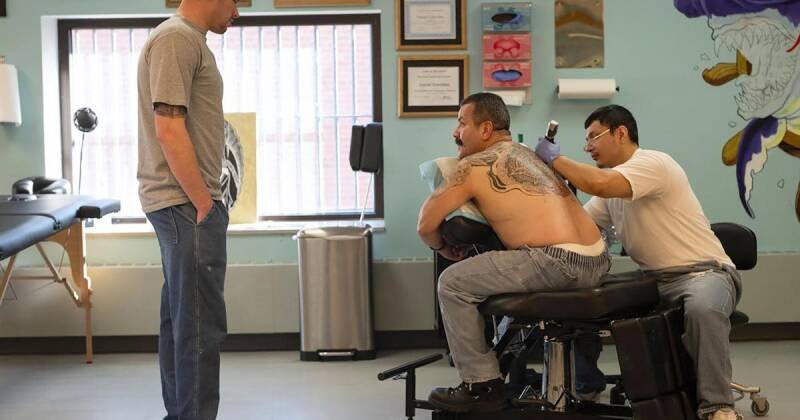
Consider the example of Daniel Gonzales, an inmate meticulously tattooing a Mayan calendar onto Israel Ray Gaitan's back. Gonzales dedicated over 30 hours to this intricate design, a tribute to Gaitan's mother. This act of creation offers Gonzales not just a way to pass the time, but a way to contribute, to create something meaningful, and to honor someone through his art. In our opinion, it's a testament to the human capacity for creativity and connection, even in the most restrictive environments.
This story matters because it highlights the potential for restorative justice within the prison system. While incarceration is often seen as purely punitive, initiatives that focus on skills development and personal growth can lead to lower recidivism rates and a more successful reintegration into society. Tattoo artistry, in this context, becomes a vehicle for positive change, offering inmates a sense of self-worth and a marketable skill.
Learning the art of tattooing requires discipline, patience, and attention to detail. These are valuable skills that can translate into other areas of life. Inmates who hone their tattooing skills might find opportunities for employment upon release, opening up new avenues for a productive and law-abiding life.
This is a complex issue with many layers. While some may argue that tattooing in prison is inappropriate or even dangerous, the reality is that it already exists. By providing training and oversight, correctional facilities can potentially transform a negative situation into a positive one. A regulated environment can help minimize the spread of disease through proper sterilization techniques. It can also provide inmates with a constructive outlet for their energy and creativity. We believe this approach holds significant promise for rehabilitation and reducing recidivism.
Of course, challenges remain. Ensuring adequate training, access to safe and sterile equipment, and preventing exploitation are crucial. Clear guidelines and oversight are essential to prevent abuse and maintain security within the facility.
The future of tattooing within correctional facilities will likely depend on the success of pilot programs and the willingness of correctional officials to embrace innovative approaches to rehabilitation. If these programs prove effective in reducing recidivism and promoting positive change, we could see a wider adoption of similar initiatives across the country. This could impact the prison system as a whole.
The potential for inmates to develop marketable skills like tattooing offers a pathway to reintegration into society. By providing them with the means to earn a legitimate living, we can reduce the likelihood of re-offending and create safer communities for everyone. The story of Daniel Gonzales and Israel Ray Gaitan is just one example of how art can transform lives and offer hope for a better future. The opportunity to build a portfolio of skill while incarcerated opens the door to employment when released.
In conclusion, the growing trend of prisoners using tattoo artistry for rehabilitation represents a positive step towards a more restorative and rehabilitative justice system. It's a story of hope, resilience, and the transformative power of art.