Pakistan's Risky Peace Mission: Can It Mediate Between Iran and the US?
Pakistan is attempting to mediate between the US and Iran, a high-stakes gamble with significant risks and potential rewards. We analyze the challenges and opportunities.
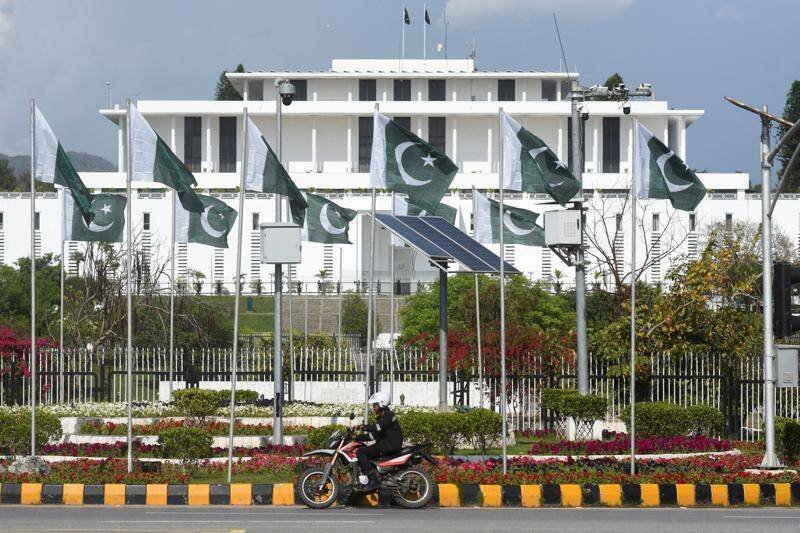



Pakistan is attempting to mediate between the US and Iran, a high-stakes gamble with significant risks and potential rewards. We analyze the challenges and opportunities.
Pakistan is stepping into a challenging role: trying to broker peace talks between the United States and Iran. This is a high-stakes diplomatic gamble with the potential for both significant rewards and considerable risks for Pakistan.
Relations between the US and Iran have been strained for decades, escalating significantly after the US withdrew from the Iran nuclear deal (JCPOA) in 2018 and reimposed sanctions. While there have been indirect talks mediated by other countries, a direct dialogue remains elusive. Pakistan is now offering itself as a neutral ground and mediator, hoping to facilitate a breakthrough.
The specific details of Pakistan's peace initiative are still emerging. The initial reports suggest that Islamabad is proposing to host direct talks between US and Iranian officials. The willingness of both the US and Iran to participate remains uncertain, but Pakistan is actively working to persuade both parties.
This is a crucial development in international relations. Successful mediation could de-escalate tensions in the Middle East, reduce the risk of conflict, and potentially pave the way for a renewed nuclear agreement. Failure, however, could further destabilize the region and damage Pakistan's credibility as a neutral mediator.
For the global economy, reduced tensions could lead to greater stability in oil markets and trade routes. Conversely, heightened conflict could disrupt supply chains and increase energy prices.
In our opinion, Pakistan's initiative is ambitious but faces significant hurdles. The deep-seated mistrust between the US and Iran, coupled with conflicting interests and regional power dynamics, make a successful outcome far from guaranteed.
Pakistan's potential advantages include its relatively neutral stance, its good relations with both countries, and its geographic proximity to Iran. However, Pakistan's own economic challenges and its dependence on external actors could limit its leverage in the negotiations.
We believe a key factor will be the willingness of both the US and Iran to compromise. The US may need to offer some sanctions relief to incentivize Iran, while Iran may need to demonstrate a willingness to limit its nuclear activities. A delicate balancing act will be required.
Pakistan faces considerable risks. If the mediation fails, it could damage its relations with either the US or Iran. Furthermore, becoming entangled in the US-Iran conflict could exacerbate existing internal security challenges within Pakistan.
On the other hand, if Pakistan succeeds in facilitating a breakthrough, it could significantly enhance its international standing and solidify its role as a responsible and influential regional player. This could attract foreign investment and strengthen its diplomatic ties.
The next few weeks will be critical. We will be closely watching for any announcements from the US and Iran regarding their willingness to participate in Pakistan's peace initiative. The composition of the negotiating teams and the agenda for the talks will also provide important clues about the prospects for success.
This could impact the entire region. A successful negotiation could lead to increased stability and economic cooperation. Conversely, a failure could exacerbate existing tensions and lead to further conflict.
The long-term outlook depends on the ability of the US and Iran to build trust and find common ground. Even if the initial talks are successful, sustained dialogue and commitment will be needed to achieve a lasting peace.
























