Okanagan Indian Band Fire Protection Dispute: Judge Rules Against Service Cutoff
A judge has blocked the Okanagan Indian Band's attempt to cut off fire protection to the Parker Cove community. Learn why this ruling matters and what it means for the future.
Okanagan Indian Band's Fire Service Cutoff Blocked by Judge
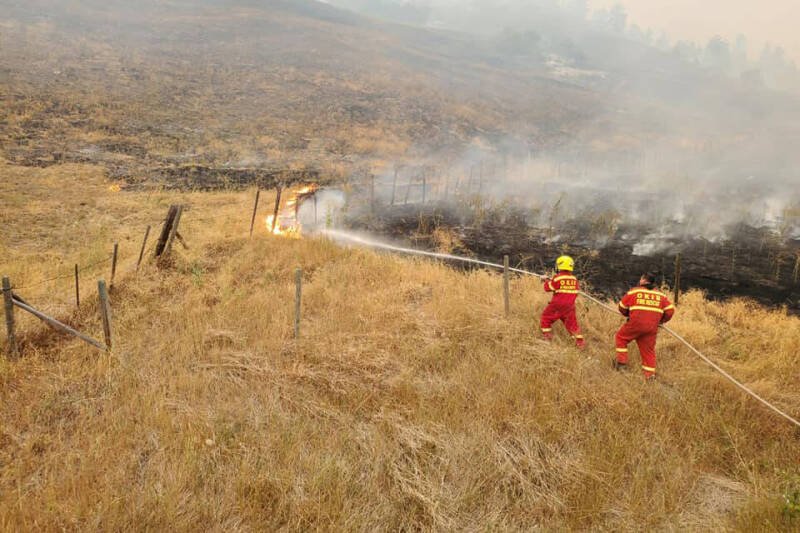
A recent court decision has put a halt to the Okanagan Indian Band's (OKIB) plan to discontinue fire protection and emergency services to the Parker Cove community, a leased residential area within the band's territory. The judge sided with the Parker Cove residents, preventing an immediate cessation of these essential services.
What Happened?
The OKIB had announced its intention to cease providing fire protection and emergency services to Parker Cove, citing disagreements over service agreements and financial contributions. This decision sparked considerable concern among Parker Cove residents, who feared the potential safety risks of losing access to these critical services. They argued that cutting off services was unfair and potentially dangerous.
The Court's Decision
The judge's ruling effectively blocks the OKIB from following through with their planned service cutoff, at least for now. The specifics of the legal arguments and the judge's reasoning are complex, but the core outcome is clear: Parker Cove residents will continue to receive fire protection and emergency services. The ruling ensures the immediate safety of the residents.
Why This News Matters
This case highlights several important issues regarding Indigenous governance, service provision on reserve lands, and the rights of leaseholders. It raises questions about the responsibilities of First Nations bands towards residents within their territory, particularly those who are not band members.
The outcome has significant implications for similar situations across Canada, where disputes may arise between First Nations and non-Indigenous residents or leaseholders. This decision is likely to be studied by other Indigenous communities and non-Indigenous communities across the country. It could set a precedent for future disputes over service provisions.
Our Analysis
In our opinion, this ruling underscores the importance of clear and equitable service agreements between First Nations and residents within their territory. While the OKIB undoubtedly faces challenges in managing its resources and providing services, cutting off fire protection to an entire community is a drastic measure with potentially severe consequences.
The judge's decision seems to reflect a concern for the safety and well-being of Parker Cove residents. It also suggests that the court found the OKIB's actions to be unreasonable or insufficiently justified. This could impact how First Nations bands approach service agreements with non-band members in the future.
It's crucial to recognize that First Nations communities often face significant financial constraints and infrastructure challenges. Balancing the needs of band members with the provision of services to non-members can be a complex and delicate task. However, transparency and fairness are paramount in these situations.
Future Outlook
The long-term resolution of this dispute remains uncertain. The court ruling only prevents the immediate cutoff of services. It does not resolve the underlying disagreements between the OKIB and Parker Cove residents. Further negotiations, mediation, or even further legal action may be necessary to reach a lasting solution.
The parties involved will likely need to engage in good-faith discussions to address the issues of service agreements, financial contributions, and the overall relationship between the OKIB and Parker Cove. Finding a mutually agreeable solution that respects the rights and responsibilities of both parties is essential.
This case also highlights the need for clearer legal frameworks and policies regarding service provision on reserve lands. Addressing these issues at a national level could help prevent similar disputes from arising in the future.
Ultimately, a collaborative approach that prioritizes the safety and well-being of all residents is the most promising path forward. This could impact future relations between Indigenous and non-Indigenous communities across Canada.