Oil Prices Surge: Understanding the Impact and Future Outlook
Oil prices are rising again due to Middle East tensions. This article explains why, the potential impact on your wallet, and what the future might hold for the global oil market.
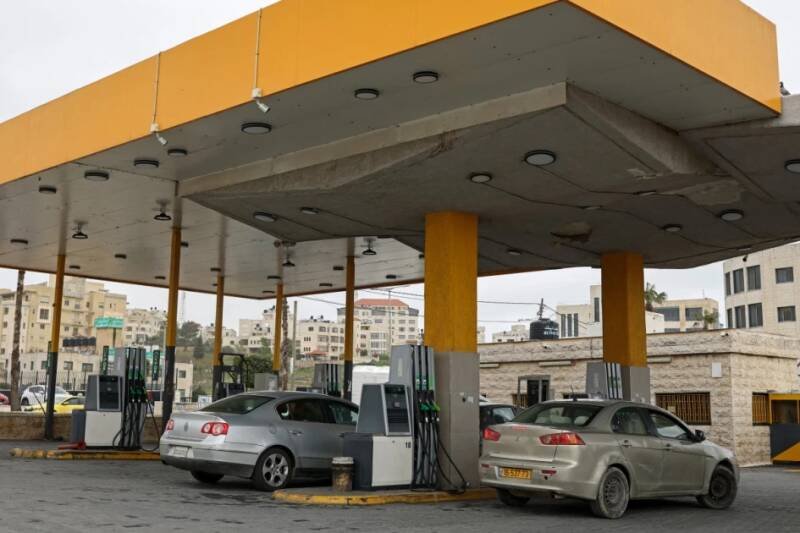



Oil prices are rising again due to Middle East tensions. This article explains why, the potential impact on your wallet, and what the future might hold for the global oil market.
Oil prices are on the rise, and people are starting to worry. Recent tensions in the Middle East, fueled by strong statements from President Donald Trump, have reignited fears about high crude oil costs. But what does this actually mean for you, and what's likely to happen next? This article breaks down the situation and offers expert analysis.
The price of oil is influenced by a complex web of factors. These include:
President Trump's comments have introduced further uncertainty, potentially escalating existing conflicts. This, in turn, threatens the stability of oil supplies and prompts traders to bid up prices, anticipating potential shortages.
Rising oil prices have a ripple effect throughout the economy. Here’s why you should pay attention:
In our opinion, the current situation is a precarious one. The combination of geopolitical uncertainty and potential supply disruptions creates a volatile environment for oil prices. While it's difficult to predict the exact peak, we believe that prices could continue to climb in the short term, especially if tensions in the Middle East escalate further.
The effectiveness of measures to mitigate the impact of rising oil prices is limited. Governments can release strategic petroleum reserves, but this is only a temporary solution. Ultimately, addressing the underlying issues of geopolitical instability and dependence on fossil fuels is crucial for long-term price stability. This could impact industries that rely heavily on transport, like logistics and airlines, and those that depend on oil-based products, like the plastics industry.
The future of oil prices depends on several factors:
Looking ahead, we anticipate continued volatility in the oil market. Consumers and businesses should prepare for potentially higher energy costs and consider strategies to reduce their reliance on fossil fuels. This includes investing in energy-efficient technologies, exploring alternative transportation options, and supporting policies that promote renewable energy development.
It's important to stay informed and adapt to the evolving energy landscape. While the current situation presents challenges, it also underscores the urgency of transitioning to a more sustainable and resilient energy system.