Anti-Abortion Lawmakers Seek to Redefine "Abortion": Understanding the Implications
Anti-abortion lawmakers are attempting to redefine "abortion" to exclude certain medical treatments. This article explains the proposed changes, why they matter, and what the future might hold.
Anti-Abortion Lawmakers Aim to Redefine "Abortion": What It Means for Healthcare
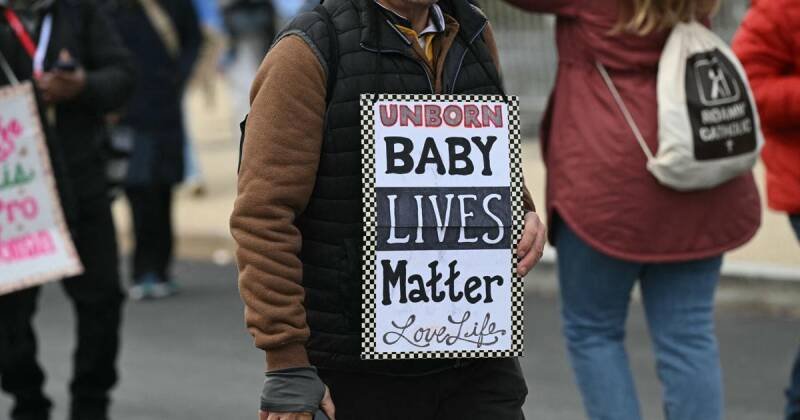
Across the United States, some anti-abortion lawmakers are attempting to narrow the definition of "abortion." Their goal? To ensure that existing abortion bans don't inadvertently prevent pregnant women from receiving necessary medical treatments, even if those treatments result in the loss of the pregnancy.
The Proposed Change
Currently, many state laws define abortion as any procedure intended to terminate a pregnancy. These lawmakers are suggesting that this definition should be revised to exclude situations where the "unborn child" (a term they use to refer to the fetus) dies as a *result* of medical care provided to save the pregnant woman's life or treat a medical condition. In essence, they want to distinguish between intentionally ending a pregnancy and unintentionally causing its termination due to necessary medical interventions.
For example, imagine a pregnant woman with a life-threatening ectopic pregnancy (where the fertilized egg implants outside the uterus). Removing the ectopic pregnancy is necessary to save the woman's life, even though it will result in the end of the pregnancy. The proposed redefinition aims to ensure that such medical procedures aren't classified as abortions under existing or future bans.
Why This News Matters
This proposed redefinition might seem like a positive step towards protecting women's health. However, it sparks debate and raises crucial questions about the scope and impact of abortion bans.
- Clarity for Doctors: Without this clarification, doctors might hesitate to provide life-saving care to pregnant women, fearing legal repercussions under broad abortion bans.
- Protecting Necessary Medical Treatment: This change potentially safeguards medical procedures like treatment for ectopic pregnancies, miscarriages, or other complications that threaten a pregnant woman's life or health.
- Ethical Considerations: It highlights the complex ethical considerations surrounding the definition of life and the prioritization of the pregnant woman's well-being versus the potential life of the fetus.
Our Analysis
In our opinion, while the *stated* intention behind this redefinition is to protect access to necessary medical care for pregnant women, the reality is far more nuanced. It's crucial to examine the potential unintended consequences and the underlying motivations of these lawmakers.
One concern is the potential for differing interpretations of "necessary" medical treatment. Who decides what constitutes a life-saving or health-preserving intervention? Will doctors face scrutiny and legal challenges even when acting in the best interests of their patients? This ambiguity could still create a chilling effect on medical care.
Furthermore, some argue that this redefinition is a tactical move to further solidify the legal framework for restricting abortion access. By narrowly defining what *isn't* considered an abortion, they simultaneously reinforce the broader definition of what *is*, potentially paving the way for more restrictive legislation in the future. This could impact women's access to comprehensive reproductive healthcare.
Future Outlook
The future impact of this redefinition depends heavily on how it's implemented and interpreted by courts and medical professionals. We expect to see the following:
- Continued Legal Battles: Expect ongoing legal challenges to existing and future abortion laws, particularly concerning the definition of "abortion" and the scope of exceptions for medical necessity.
- Increased Scrutiny of Medical Decisions: Doctors providing care to pregnant women, especially in states with restrictive abortion laws, may face increased scrutiny and potential legal challenges.
- Variations in State Laws: We'll likely see significant variations in how states define and regulate abortion, leading to disparities in access to reproductive healthcare across the country.
- Heightened Political Polarization: This issue will continue to fuel the already intense political polarization surrounding abortion rights in the United States.
Ultimately, this effort to redefine "abortion" underscores the ongoing debate about reproductive rights and the complex interplay between law, ethics, and medical practice. It's a situation that demands careful observation and a commitment to ensuring that all women have access to the healthcare they need.