Libya Gas Pipeline Revival: Boosting Production and European Supply
Libya restarts testing on a 16-year stalled gas pipeline. Explore the potential impact on Libya's economy, gas production, and Europe's energy security.
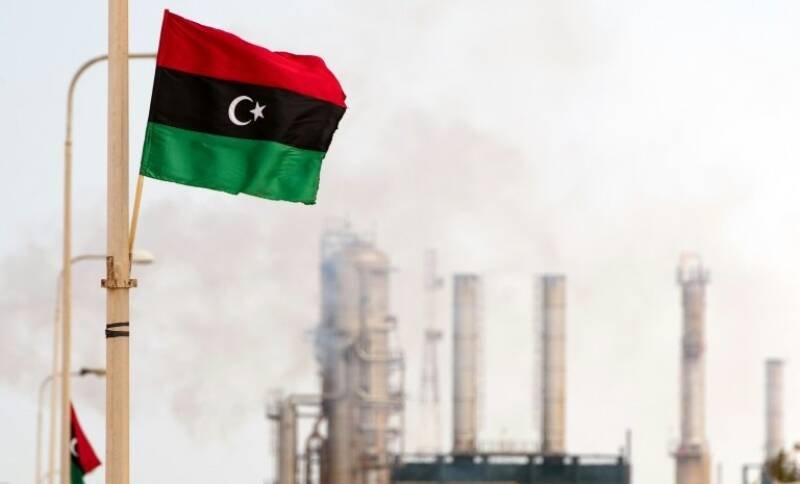



Libya restarts testing on a 16-year stalled gas pipeline. Explore the potential impact on Libya's economy, gas production, and Europe's energy security.
After 16 years of delays, Libya is finally reviving the long-dormant Western Libyan Gas Pipeline System (WELLGS). Recent testing suggests the project is back on track, aiming to improve gas production efficiency and potentially increase supplies to Europe.
WELLGS is a crucial piece of energy infrastructure designed to connect gas fields in western Libya to processing facilities and export terminals. The pipeline was initially intended to reduce gas flaring (burning off excess gas), optimize production, and increase Libya’s export capacity. However, political instability and security concerns brought the project to a standstill for over a decade.
The reactivation of this pipeline represents a significant step towards optimizing Libya's natural gas resources. It aims to minimize gas wastage, alleviate existing production challenges, and reignite the country's aspirations of becoming a more significant gas supplier to the European market.
The revival of the WELLGS pipeline has implications far beyond Libya's borders. Here's why it's important:
In our opinion, the revival of the WELLGS pipeline is a positive development for Libya and potentially for Europe. However, several factors could influence its success. The stability of the security situation in Libya is paramount. Continued political infighting and the presence of armed groups could derail the project again. Furthermore, the speed at which Libya can increase its gas production capacity will determine the pipeline's immediate impact on European energy markets.
The current geopolitical climate makes this news particularly relevant. With the ongoing energy crisis in Europe, any potential new source of gas is welcome. While Libyan gas won't solve all of Europe's problems, it could contribute to diversifying its energy supply.
Despite the promising developments, some potential obstacles remain:
Looking ahead, the success of the WELLGS pipeline depends on several factors. Continued political stability in Libya is critical, as is securing the necessary investment and expertise to maintain and expand the infrastructure. If these challenges can be overcome, Libya could significantly increase its gas production and become a more reliable supplier to Europe.
This could impact Europe’s efforts to diversify its energy sources and reduce its dependence on Russia. However, it is essential to remember that Libyan gas is unlikely to be a complete replacement for Russian gas, but it can play a contributing role in improving European energy security.
Furthermore, a successful gas export sector could provide a much-needed economic boost to Libya, contributing to its long-term stability and development. The revitalization of the WELLGS pipeline is a step in the right direction, but continued commitment and careful management are essential to ensure its long-term success.