Nigeria Convicts Hundreds of Islamist Militants: Understanding the Impact
Nigeria convicts 386 Islamist militants in mass trials. Learn about the implications of these Boko Haram and ISWAP prosecutions. Our analysis, future outlook, and why this news matters.
Nigeria Convicts Hundreds of Islamist Militants in Mass Trials
Nigeria has convicted 386 Islamist militants in a series of mass trials. These trials are part of a larger effort that began in 2017, involving over 2,000 suspected members of Boko Haram and the Islamic State West Africa Province (ISWAP).
What Happened?
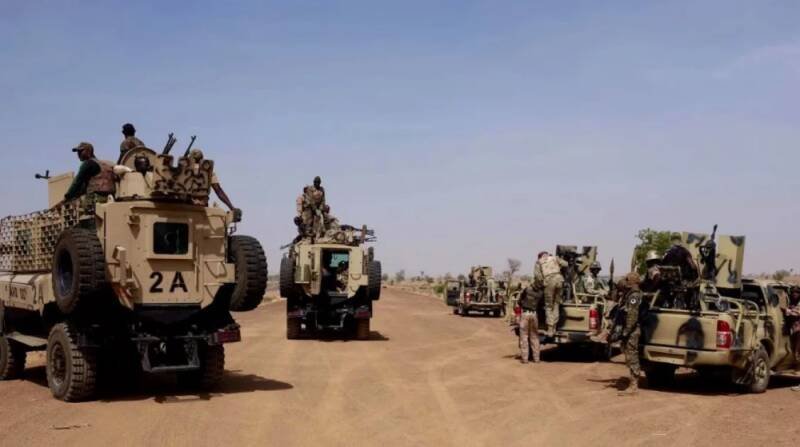
The prosecutions, which started on Tuesday, are a continuation of the Nigerian government's initiative to bring suspected terrorists to justice. The defendants are accused of involvement in various acts of terror, including attacks on civilians and security forces.
Why This News Matters
This news is significant for several reasons:
- National Security: These convictions demonstrate Nigeria's commitment to combating terrorism and ensuring the safety of its citizens.
- Justice for Victims: The trials provide a sense of closure and justice for the victims of Boko Haram and ISWAP attacks.
- Deterrent Effect: The convictions may deter others from joining or supporting extremist groups.
- International Relations: Nigeria's efforts in counter-terrorism are important for regional and international security.
Our Analysis
The mass trials reflect the sheer scale of the challenge Nigeria faces in dealing with Islamist militancy. The fact that over 2,000 suspects have been brought to trial since 2017 underscores the depth of the problem. In our opinion, this also highlights the dedication of the Nigerian judicial system to address these issues, but also the potential strain placed on those resources.
It's important to note that while convictions are a positive step, they are not the only solution. Addressing the root causes of extremism, such as poverty, inequality, and lack of education, is crucial for long-term stability. A purely security-focused approach might not be enough to end the conflict. Also, the fairness and transparency of the trials are paramount to ensure justice is served and avoid fueling further resentment. This could impact public confidence in the judicial system and the government's overall counter-terrorism strategy.
Future Outlook
The ongoing trials are likely to continue, with more convictions and possibly acquittals expected. The Nigerian government will need to balance the need for justice with the rights of the accused. Furthermore, deradicalization programs will play a crucial role in reintegrating former militants back into society.
Looking ahead, several factors will shape the future of counter-terrorism in Nigeria:
- Military Operations: Continued military efforts to weaken Boko Haram and ISWAP.
- Socio-Economic Development: Addressing the underlying issues that contribute to extremism.
- International Cooperation: Working with neighboring countries and international partners to share intelligence and resources.
- Community Engagement: Building trust and collaboration between communities and security forces.
The fight against terrorism in Nigeria is far from over. While the convictions represent a significant victory, sustained efforts are needed to achieve lasting peace and security. In our opinion, a multi-faceted approach that combines military action with socio-economic development and community engagement is essential for success. The road ahead is long, but with continued commitment and collaboration, Nigeria can overcome this challenge.