Newt Gingrich Nukes Strait of Hormuz? The Surprising History of "Peaceful" Nuclear Explosions
Newt Gingrich's recent social media post about using nuclear bombs to bypass the Strait of Hormuz sparked controversy. We delve into the history of Project Plowshare and the surprising era when "peaceful" nuclear explosions were seriously considered for large-scale engineering projects.
Newt Gingrich's Nuclear Suggestion: A Blast from the Past
A recent social media post by former House Speaker Newt Gingrich has reignited a debate about a seemingly outlandish idea: using nuclear explosives to create a new waterway bypassing the Strait of Hormuz. Gingrich’s post referenced a satirical article, but the idea, however shocking, has roots in a real, albeit thankfully abandoned, chapter of American history: Project Plowshare.
While the suggestion might seem absurd today, it highlights how technological possibilities, even dangerous ones, can be entertained in different historical and political contexts.
The Tweet That Sparked the Firestorm
Gingrich's March 15, 2026, post suggested that instead of "fighting over a 21-mile-wide bottleneck forever," a new channel could be cut through "friendly territory" using "a dozen thermonuclear detonations." He claimed this would create a waterway "wider than the Panama Canal, deeper than the Suez, and safe from Iranian attacks."
The History of "Peaceful" Nuclear Explosions: Project Plowshare
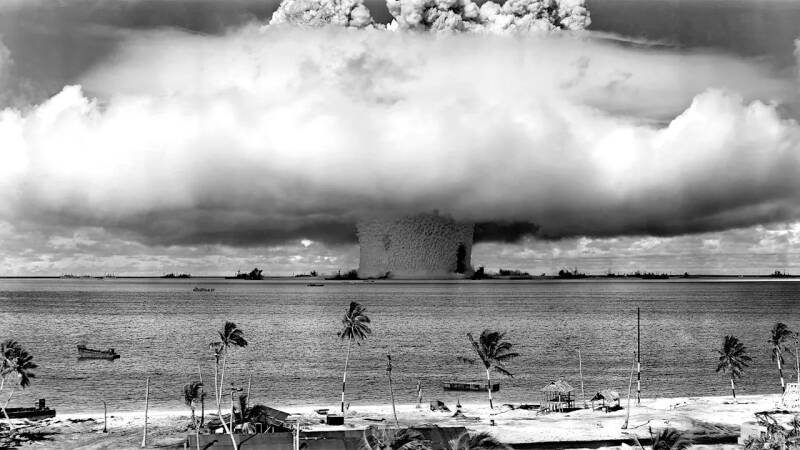
Project Plowshare, launched in the 1950s, was a US government initiative to explore the use of nuclear explosions for peaceful purposes, such as digging canals, creating harbors, and extracting natural resources. The driving force behind this project was the belief that atomic energy could be harnessed for the betterment of mankind.
The Suez Crisis and the Birth of an Idea
The concept gained traction following the 1956 Suez Crisis, when Egypt seized the Suez Canal, disrupting global trade and driving up commodity prices. This prompted the search for alternative routes, leading to the idea of using nuclear explosions to carve new canals.
Edward Teller and the "Atoms for Peace" Vision
Edward Teller, a key figure in the development of the hydrogen bomb, championed Project Plowshare. He believed that nuclear explosions could be used safely and effectively for large-scale earthmoving projects. One of the earliest proposals involved detonating five thermonuclear bombs in Alaska to create an instant harbor, a plan known as Project Chariot.
The Panatomic Canal: A Nuclear Alternative to Panama
Another ambitious proposal was the "Panatomic Canal," a sea-level canal across Central America, potentially in Panama or Colombia. This canal would be wider and deeper than the existing Panama Canal, accommodating larger vessels. The plan involved detonating hundreds of nuclear explosives, a prospect that raised significant environmental and safety concerns.
Why This News Matters
While the idea of using nuclear weapons for construction seems unthinkable today, understanding its historical context is crucial. It provides a cautionary tale about the dangers of unchecked technological enthusiasm and the importance of considering the ethical and environmental implications of new technologies. It also prompts reflection on which modern technologies might be viewed with similar disbelief and horror by future generations.
Our Analysis
In our opinion, Gingrich's suggestion, while potentially tongue-in-cheek, demonstrates a concerning disregard for the devastating consequences of nuclear weapons. The historical context of Project Plowshare highlights a period of naive optimism regarding nuclear technology, an optimism that has been rightly replaced by a deep understanding of its destructive potential.
It’s important to remember that ideas dismissed today might have seemed sensible at one point. This can be attributed to the cultural and political contexts of the time.
Future Outlook
The possibility of using nuclear weapons for construction purposes is extremely unlikely to be revived. However, the episode serves as a reminder of the need for careful consideration of the ethical and environmental implications of all technological advancements. This could impact how we approach the development and deployment of emerging technologies like artificial intelligence and gene editing.
It makes us wonder, which tech trends of today, pushed by influencers, will shock our descendants?