New Galloping Goose Bridge Opens in Colwood: Safer Trails for Cyclists and Pedestrians
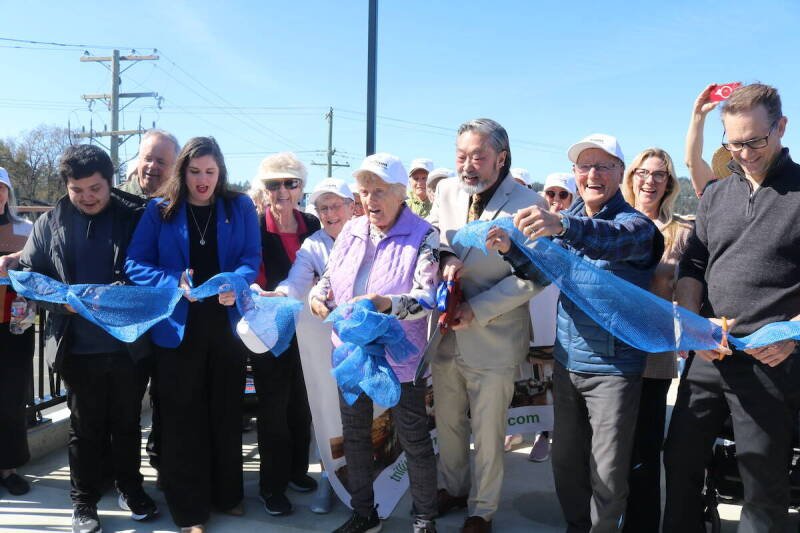
A new pedestrian and cycling bridge over Sooke Road in Colwood, BC, is officially open, enhancing safety and accessibility on the Galloping Goose Regional Trail. Learn more about the bridge and its impact.
Colwood Celebrates Opening of New Galloping Goose Bridge
The City of Colwood, British Columbia, has officially opened a new pedestrian and cycling bridge over Sooke Road (also known as Old Island Highway), providing a safer and more convenient route for users of the popular Galloping Goose Regional Trail. The bridge eliminates the need for trail users to cross the busy highway at ground level, significantly improving safety and accessibility.
A Major Step for Trail Safety
For years, the crossing of Sooke Road has been a point of concern for cyclists, pedestrians, and families using the Galloping Goose Trail. The new bridge addresses these concerns head-on by offering a dedicated, elevated pathway, separated entirely from vehicular traffic. This reduces the risk of accidents and allows for a more enjoyable trail experience.
The project represents a significant investment in active transportation infrastructure within the region, demonstrating a commitment to promoting healthy lifestyles and sustainable commuting options.
Why This News Matters
This bridge isn't just about concrete and steel; it's about people. It's about making it easier and safer for families to cycle to school, for commuters to bike to work, and for seniors to enjoy a leisurely stroll along the Galloping Goose Trail. By removing a hazardous crossing point, the bridge opens up the trail to a wider range of users. A safer path is a path more traveled.
Moreover, this project highlights the importance of prioritizing active transportation in urban planning. As cities grow, it's crucial to invest in infrastructure that supports walking, cycling, and other forms of non-vehicular transportation. This not only improves public health but also reduces traffic congestion and promotes environmental sustainability.
Our Analysis
In our opinion, the construction of the Galloping Goose bridge is a positive development that will have a tangible impact on the community. By separating trail users from vehicular traffic, the bridge creates a safer and more enjoyable experience for cyclists and pedestrians. This could impact the number of users on the trail as it makes it a more accesible and enjoyable experience.
This investment also reflects a growing trend towards prioritizing active transportation in urban areas. As cities become more congested, there's an increasing need for alternative transportation options that are both efficient and environmentally friendly. The Galloping Goose bridge is a step in the right direction, but more investment in similar infrastructure is needed to create truly walkable and bikeable cities.
Potential Benefits:
- Reduced accidents involving cyclists and pedestrians
- Increased use of the Galloping Goose Trail
- Improved air quality due to less vehicle traffic
- Enhanced property values in the surrounding area
- Greater access to recreation and active lifestyles for all residents
Future Outlook
The completion of the Galloping Goose bridge could serve as a catalyst for further investment in active transportation infrastructure in the Colwood area and throughout the region. With the bridge now open, it's likely that the City of Colwood will see increased demand for similar projects in other parts of the city. This could lead to the development of new bike lanes, pedestrian walkways, and other infrastructure that supports active transportation.
Furthermore, the success of the Galloping Goose bridge could inspire other municipalities to prioritize active transportation in their own planning efforts. By showcasing the benefits of investing in walking and cycling infrastructure, Colwood is setting an example for other cities to follow. The long-term impact of this project could be far-reaching, leading to a more sustainable and healthier future for communities across the country.
We anticipate that monitoring trail usage and accident rates post-bridge completion will provide valuable data to inform future transportation planning decisions. Gathering data on the demographics of trail users and their travel patterns could also help identify areas where additional improvements are needed. Continuous evaluation is key to maximizing the benefits of this and similar projects.