Nepal Rescues Hundreds from Southeast Asian Exploitation: What You Need to Know
Nepal has rescued hundreds of its citizens from Southeast Asia, highlighting the dangers of deceptive job offers and human trafficking. Understand the context, impact, and future implications.
Nepal Rescues Hundreds from Southeast Asian Exploitation: What You Need to Know
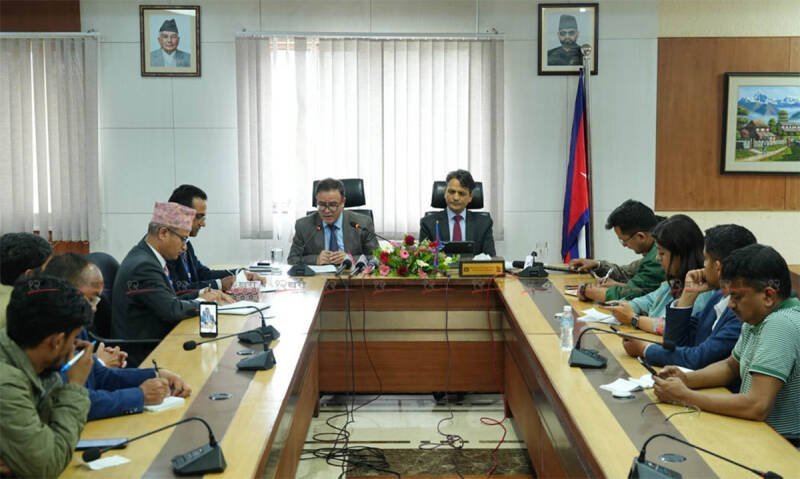
The Nepali government has announced the rescue of 591 Nepali citizens from various Southeast Asian countries, revealing a disturbing trend of exploitation and deceptive job offers targeting vulnerable individuals. This news, shared at a press briefing in Kathmandu on April 11th, highlights the serious risks faced by Nepalis seeking employment abroad.
The Rescue Numbers
According to the Ministry of Foreign Affairs, as of April 9th, the breakdown of rescued individuals is as follows:
- Cambodia: 426
- Myanmar: 111
- Laos: 54
The ministry spokesperson, Lok Bahadur Paudel Chhetri, provided these details during the press briefing at Singha Durbar.
Why This News Matters
This isn't just a story about numbers; it's a story about human lives and the devastating impact of human trafficking and fraudulent employment schemes. These rescues bring to light the vulnerability of Nepalis lured by promises of high-paying jobs, only to find themselves trapped in exploitative situations. The high number of rescued individuals indicates a significant problem that demands immediate attention and preventive measures.
Our Analysis
In our opinion, several factors contribute to this crisis. First, the allure of better economic opportunities abroad, coupled with high unemployment rates within Nepal, makes individuals susceptible to enticing job offers, even when those offers seem too good to be true. Second, the lack of comprehensive information and pre-departure training for migrant workers leaves them ill-prepared to identify and navigate potential risks. Third, the involvement of unscrupulous recruitment agencies and individuals plays a crucial role in facilitating these exploitative schemes.
The fact that the majority of the rescued individuals were from Cambodia suggests that this country has become a hot spot for these types of exploitative activities. This could be due to a variety of factors, including less stringent regulations and a greater demand for cheap labor.
This situation underscores the need for stronger international cooperation to combat human trafficking and protect migrant workers. In our opinion, a collaborative effort between Nepal and the affected Southeast Asian countries is essential to investigate and prosecute those involved in these criminal activities.
Future Outlook
The future hinges on several key actions:
- Increased Awareness: Public awareness campaigns are crucial to educate Nepalis about the risks of deceptive job offers and the importance of verifying the legitimacy of employment agencies.
- Stricter Regulations: The Nepali government needs to tighten regulations on recruitment agencies and ensure that they are held accountable for their actions. This includes thorough vetting processes and stricter penalties for those found to be involved in human trafficking or exploitation.
- Enhanced Support for Migrant Workers: Providing comprehensive pre-departure training and support services to migrant workers can equip them with the knowledge and skills necessary to protect themselves.
- International Collaboration: Strengthening cooperation with Southeast Asian countries is vital for intelligence sharing, joint investigations, and the prosecution of traffickers.
This could impact Nepal's economy. As the truth about these jobs spreads, less people may want to take them. That could mean less money being sent home to Nepal. This can impact families and hurt the economy.
Ultimately, addressing this crisis requires a multi-faceted approach that tackles the root causes of vulnerability, strengthens legal frameworks, and fosters international collaboration. Failure to do so will only perpetuate the cycle of exploitation and put more Nepali citizens at risk.