Trail BC Grapples with Overdose Crisis: Remembrance and Future Solutions
Trail, BC remembers lives lost to overdose. This article explores the impact, causes, and potential solutions to the ongoing drug crisis, offering analysis and future outlook.



Trail, BC remembers lives lost to overdose. This article explores the impact, causes, and potential solutions to the ongoing drug crisis, offering analysis and future outlook.
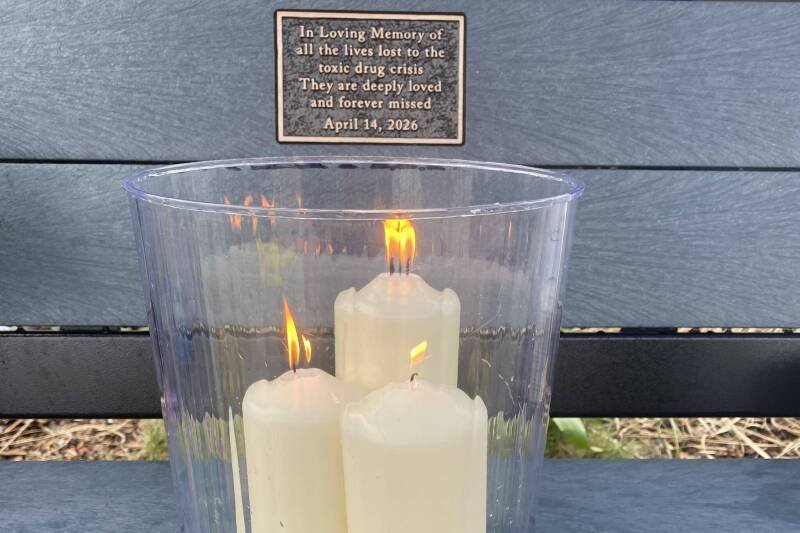
Under somber skies, the community of Trail, British Columbia, recently gathered to remember the lives tragically lost to the ongoing overdose crisis. Over the past decade, more than 70 individuals from Trail have succumbed to the devastating effects of toxic drugs.
The memorial event provided a space for families, friends, and community members to grieve together and share stories of those they had lost. The pain and suffering caused by this crisis are palpable, leaving deep scars on the tight-knit community of Trail.
The crisis in Trail isn't an isolated incident; it reflects a much larger, nationwide epidemic. The increasing prevalence of fentanyl and other potent synthetic opioids in the drug supply has dramatically increased the risk of overdose, turning substance use into a potentially deadly game of Russian roulette. Understanding the impact on smaller communities like Trail helps us to see the human cost of this crisis beyond the statistics. It underscores the urgent need for effective interventions, preventative measures, and compassionate support systems for those struggling with addiction.
The reasons behind the overdose crisis are complex and multifaceted. Mental health challenges, economic hardship, and lack of access to adequate healthcare and addiction treatment services all contribute to the problem. The COVID-19 pandemic exacerbated the situation, leading to increased isolation, stress, and disruptions in support services.
In our opinion, a purely punitive approach to drug use has failed. It has only served to further stigmatize individuals struggling with addiction and drive them further underground, making it more difficult to reach them with life-saving interventions. A more compassionate and harm-reduction-based approach is crucial. This includes:
The future outlook for addressing the overdose crisis remains uncertain. While there is growing awareness of the issue and increased investment in harm reduction measures, the challenge is immense. The constantly evolving nature of the drug supply, with increasingly potent and dangerous substances appearing on the market, requires ongoing vigilance and adaptation. This could impact the long-term health and well-being of many individuals and communities. Without more effective and coordinated efforts, the number of lives lost to overdose will continue to rise.
Moving forward, a multi-pronged approach is essential. This involves not only providing immediate support to those at risk of overdose, but also addressing the underlying social and economic factors that contribute to addiction. Investing in mental health services, creating economic opportunities, and promoting social inclusion are all critical steps. Furthermore, increasing public awareness about the risks of drug use and promoting responsible drug policies are essential.
Ultimately, overcoming the overdose crisis requires a fundamental shift in our attitudes towards addiction. We need to move away from stigma and judgment and towards compassion, understanding, and support. Only then can we truly begin to heal the wounds caused by this devastating epidemic and prevent further loss of life.
The community of Trail, like so many others across the country, is demonstrating resilience and determination in the face of this crisis. By working together and embracing evidence-based solutions, we can build a future where addiction is treated as a health issue, not a moral failing, and where every life is valued and protected.
























