Meta Tracks Employee Keystrokes for AI: Legal, But Ethical?
Meta is tracking employee keystrokes and mouse movements to train AI models. Is it legal? Ethical? And what does it mean for the future of work?
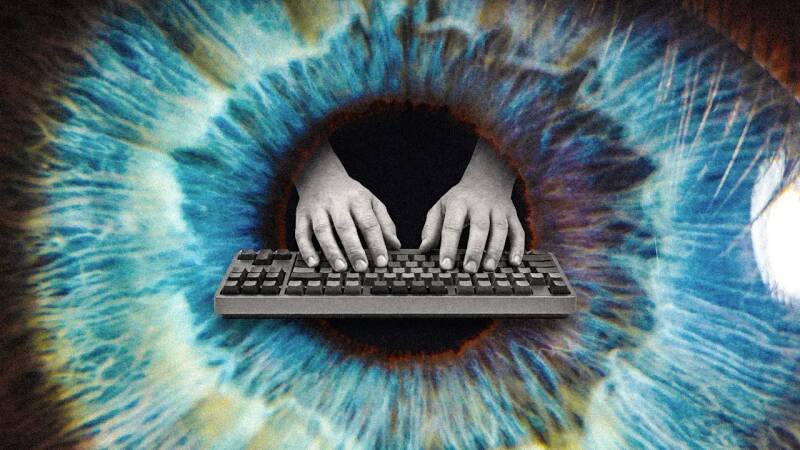



Meta is tracking employee keystrokes and mouse movements to train AI models. Is it legal? Ethical? And what does it mean for the future of work?
Meta, the parent company of Facebook, Instagram, and WhatsApp, is implementing a new initiative called the Model Capability Initiative (MCI). This involves installing software on employee computers to track and capture keystrokes and mouse movements. The goal? To train AI models to perform specific work tasks.
A Meta spokesperson confirmed the initiative, stating that the data collected will provide "real examples of how people actually use" computer applications. This, they argue, is essential for building AI agents that can assist with everyday tasks. Meta assures that safeguards are in place to protect sensitive content and that the data will not be used for any other purpose.
The software is designed to track granular details of employee computer usage, including:
This news has significant implications for employee privacy, the future of work, and the balance of power between employers and employees. It raises questions about consent, data usage, and the potential for increased surveillance in the workplace.
Beyond the immediate concerns for Meta employees, this move could set a precedent for other companies to implement similar monitoring practices. This could significantly reshape the employee-employer relationship across various industries.
While Meta claims to have safeguards in place, the level of surveillance is undeniably invasive. The ethical implications are significant. While US law might permit this type of monitoring, the question remains: is it right?
Experts like Natalie Bidnick Andreas from the University of Texas suggest that Meta's approach is "largely permissible" under current US federal law, which offers limited employee privacy protections. However, she notes that some states may have stricter regulations regarding electronic monitoring. Legal experts like Dario Maestro argue that current laws were designed to prevent eavesdropping on phone calls and reading private emails, not capturing every click as AI training data.
Even if legal, the ethics are murky. As Andreas puts it, "Employees cannot meaningfully refuse when their employer decides to log keystrokes, so any notion of consent is largely symbolic." The power dynamic means employees may feel pressured to comply, regardless of their comfort level. This could erode trust and create a hostile work environment.
In our opinion, true consent requires a genuine ability to opt out without fear of reprisal. Meta's move raises concerns that workers may feel like they are "being treated like children" and that their privacy is not being respected.
Meta's actions could be a bellwether for a future where workplace surveillance is commonplace. As AI development accelerates, companies will likely seek more data to train their models, potentially leading to increased monitoring of employee activities. Derek Leben from Carnegie Mellon University notes that many companies are "experimenting" with such practices, observing employee reactions and gauging potential pushback.
This could impact the future of worker rights and the definition of what constitutes reasonable privacy in the workplace. The ethical considerations are paramount, and society needs to establish clear boundaries to protect employee dignity and autonomy in the age of AI.
Closing the legal gaps, as Maestro suggests, "will require state legislatures to treat AI training as a distinct use—one that demands separate, revocable consent and bars repurposing employee data beyond what was originally disclosed."