Mercedes GLC L EV: Why China's Love for Long Wheelbase EVs Matters
Mercedes-Benz reveals the GLC L EV at Auto China, a long-wheelbase electric SUV exclusively for the Chinese market. Explore the implications of this move and what it means for the future of EVs.
Mercedes-Benz Unveils Long-Wheelbase GLC L EV in China
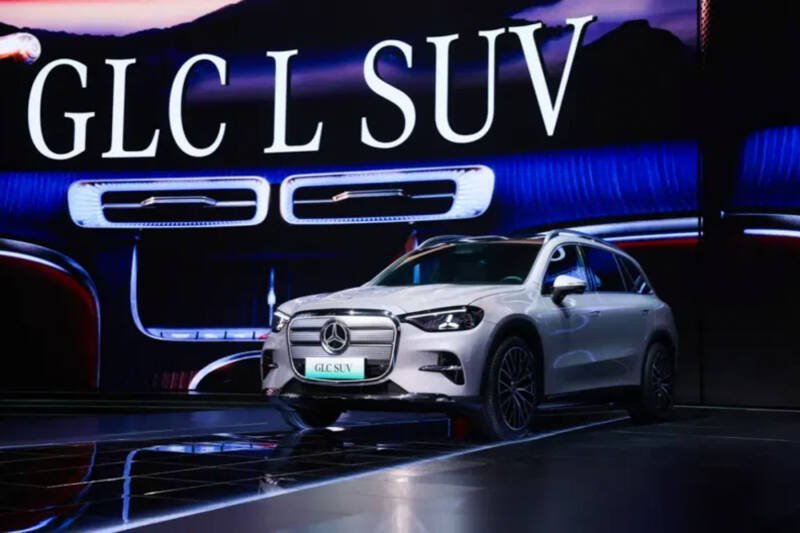
Mercedes-Benz has just taken the wraps off a new version of their popular electric SUV, the GLC, specifically designed for the Chinese market. Called the GLC L EV, this model boasts an extended wheelbase, offering more legroom and comfort for rear passengers. The unveiling took place at Auto China, one of the largest and most influential automotive shows in the world.
While details are still emerging, the GLC L EV features a slightly adapted powertrain compared to the standard GLC EV. This adaptation is likely to cater to the specific driving conditions and preferences of Chinese consumers.
What is a Long Wheelbase Vehicle?
A long wheelbase vehicle is exactly what it sounds like: a car with a longer distance between the front and rear wheels. This extended length typically translates to a more spacious interior, particularly for rear-seat passengers. In China, long-wheelbase versions of luxury cars are incredibly popular, often seen as a status symbol and a sign of added comfort and prestige.
Why This News Matters
The introduction of the GLC L EV highlights the importance of the Chinese market for global automakers. China is the world's largest automotive market, and increasingly, it's also the leader in electric vehicle adoption. Mercedes-Benz's decision to create a specific model for China underscores the need for companies to tailor their offerings to meet the unique demands of this crucial market. This isn't just about adding length; it's about understanding the cultural nuances and preferences of Chinese consumers.
Furthermore, the GLC L EV demonstrates Mercedes-Benz's commitment to electrification. The company is investing heavily in electric vehicles, and the GLC L EV is a key part of its strategy to capture a significant share of the growing Chinese EV market. The modified powertrain also shows they are willing to adapt their technology to specific regional needs.
Our Analysis
In our opinion, Mercedes-Benz is making a smart move with the GLC L EV. The long-wheelbase format is a proven winner in China, and combining it with an electric powertrain positions the GLC L EV perfectly to appeal to affluent Chinese consumers who are increasingly embracing EVs. This could impact other manufacturers to also create long wheelbase EV's for the Chinese market.
However, the success of the GLC L EV will depend on several factors, including its price, performance, and charging infrastructure availability in China. Competition in the Chinese EV market is fierce, with numerous domestic brands vying for market share. Mercedes-Benz will need to offer a compelling value proposition to stand out from the crowd.
Competition in the Chinese EV Market
The Chinese EV market is incredibly competitive. Local brands like BYD, Nio, and Xpeng offer a range of electric vehicles with advanced technology and attractive price points. International automakers like Tesla also have a significant presence in China. Mercedes-Benz will need to leverage its brand reputation and technological expertise to compete effectively.
Future Outlook
The future of the GLC L EV and the electric vehicle market in China looks promising. As charging infrastructure continues to improve and consumer awareness of EVs increases, demand for electric vehicles is expected to grow significantly. This creates a huge opportunity for Mercedes-Benz and other automakers.
We believe that the trend of automakers developing region-specific EV models will continue. As different markets have different needs and preferences, companies will need to tailor their offerings to succeed. This will likely lead to a more diverse and innovative EV landscape.
The GLC L EV is not just another car; it's a symbol of the evolving automotive industry and the increasing importance of the Chinese market. Its success (or failure) will offer valuable insights into the future of EVs and the strategies that automakers need to adopt to thrive in this rapidly changing landscape. It will be interesting to see how this vehicle performs and what impact it has on the luxury EV segment in China.