Democrat's TV Show Claim Raises Eyebrows: Does 'Waltons' Knowledge Equal Rural Understanding?
A Virginia Democrat's statement about learning about rural America from TV shows like 'The Waltons' sparks debate. We analyze the implications and future outlook.
Democrat's TV Show Claim Raises Eyebrows: Does 'Waltons' Knowledge Equal Rural Understanding?
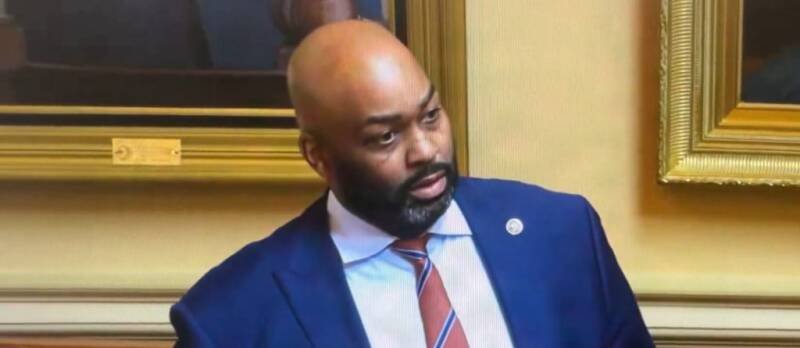
Virginia State Senator Lamont Bagby, a Democrat, recently made a statement that's causing quite a stir. He claimed that watching classic television shows like "The Waltons," "The Dukes of Hazzard," and "The Andy Griffith Show" as a child gave him an understanding of rural America. The remark, made on Thursday, has ignited a debate about whether pop culture can truly substitute for lived experience and whether this is a genuine attempt to connect with rural voters or a misstep.
The Senator's Statement
Senator Bagby's specific phrasing wasn't provided in detail, but the core message was that these shows provided him with insight into rural life. He implied these shows somehow provided a relevant perspective on rural culture and issues.
Why This News Matters
This seemingly small comment touches upon a larger issue: the disconnect between urban and rural America, and how politicians attempt to bridge that gap. In an increasingly polarized political landscape, understanding and appealing to rural voters is crucial for both Democrats and Republicans. Senator Bagby's statement raises questions about the effectiveness and authenticity of these efforts. It highlights the challenges of representing a diverse electorate and the potential pitfalls of relying on stereotypes or superficial understandings of different communities.
The risk here is alienation. Rural voters already often feel misunderstood and ignored by mainstream media and politicians. Comments like this, while potentially well-intentioned, can reinforce the perception that politicians from urban areas lack genuine understanding of rural challenges and values.
Our Analysis
In our opinion, while these shows can offer a glimpse into a romanticized past, they hardly provide a comprehensive or accurate representation of contemporary rural America. "The Waltons," for example, depicts a Depression-era family with strong moral values, but it doesn't reflect the economic struggles, technological advancements, or diverse social issues facing rural communities today. "The Dukes of Hazzard," known for car chases and Southern stereotypes, offers a similarly skewed perspective.
Furthermore, the reliance on these shows as a foundation for understanding suggests a potentially limited engagement with actual rural communities. It raises concerns about whether politicians are actively listening to and engaging with the real issues facing rural residents, or simply relying on outdated and potentially harmful stereotypes.
This could impact the Senator's credibility with rural voters. It may be perceived as pandering or, worse, as demonstrating a lack of genuine interest in understanding their concerns. In politics, authenticity is key, and voters are quick to detect insincerity.
Future Outlook
The reaction to Senator Bagby's statement will likely shape his future interactions with rural communities. If he acknowledges the limitations of his statement and demonstrates a willingness to learn and engage with rural voters on their own terms, he may be able to recover. However, if he doubles down on his claim, it could further alienate this important demographic.
Looking ahead, this incident serves as a cautionary tale for politicians seeking to connect with diverse constituencies. It highlights the importance of genuine engagement, active listening, and avoiding generalizations. Politicians need to invest time in understanding the nuances of different communities, rather than relying on simplistic or outdated representations.
Key Takeaways
- The statement highlights the urban-rural divide in American politics.
- It raises questions about the authenticity of politicians' attempts to connect with rural voters.
- It underscores the importance of genuine engagement and active listening.
- It emphasizes the need to avoid generalizations and stereotypes when representing diverse communities.
Ultimately, understanding rural America requires more than just watching TV. It demands genuine engagement, a willingness to listen, and a commitment to addressing the real challenges facing these communities.