Kenya's Budget Swells to Ksh.4.6 Trillion: What It Means for You
Kenyan MPs approve supplementary spending, raising the budget to Ksh.4.6 trillion. Learn what this means for education, security, health, and your future.
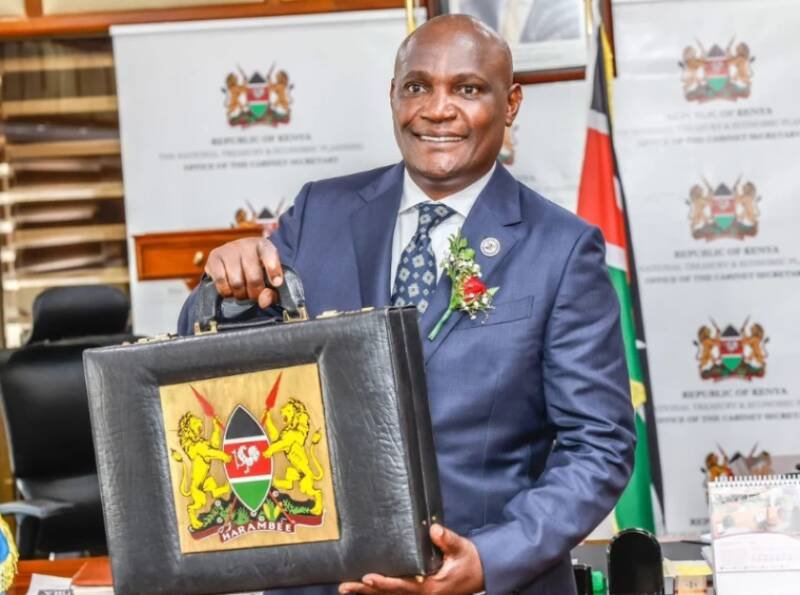



Kenyan MPs approve supplementary spending, raising the budget to Ksh.4.6 trillion. Learn what this means for education, security, health, and your future.
The Kenyan government's budget has increased significantly to Ksh.4.6 trillion after Members of Parliament approved supplementary spending. This represents a substantial adjustment from the initial proposals.
According to Budget Committee Chair Samuel Atandi, the primary reason for this increased allocation is to address and clear outstanding debts in critical sectors: education, security, and health. These sectors are fundamental to the well-being and development of the nation, and unpaid dues can severely hamper their ability to function effectively.
The National Treasury had originally proposed a smaller increase of Ksh.287 billion. However, the parliamentary decision reflects a greater sense of urgency and a perceived need for more substantial investment in these crucial areas.
This budgetary adjustment has the potential to directly impact the lives of Kenyans. Increased funding for education could translate to better resources for schools, improved teacher training, and enhanced learning opportunities for students. In the security sector, it could mean more equipment and better training for law enforcement, potentially leading to a safer environment. Similarly, more funds for healthcare could result in improved access to medical services, better facilities, and a more robust healthcare system overall.
However, it's crucial to consider the implications of increased government spending. Where will the government source these funds? Increased borrowing could lead to higher national debt. Higher taxes could affect individual and business spending. Effective and transparent spending of these funds is vital to ensuring they deliver the intended benefits.
In our opinion, the decision to prioritize education, security, and health reflects a recognition of the critical challenges facing Kenya. Addressing unpaid dues in these sectors is essential for restoring stability and enabling sustainable growth. The initial proposal by the National Treasury seemed inadequate given the pressing needs in these areas. However, the substantial increase approved by Parliament raises questions about the long-term fiscal sustainability.
It's important to analyze how this supplementary budget will be funded. Will it involve increased borrowing, tax hikes, or a reallocation of resources from other sectors? The answers to these questions will determine the wider economic impact.
Furthermore, accountability and transparency in the allocation and disbursement of these funds are paramount. Strong oversight mechanisms are needed to ensure that the money is used efficiently and effectively to achieve its intended goals. Any instances of corruption or mismanagement could undermine the positive potential of this budgetary adjustment.
The next few months will be crucial in determining the impact of this increased budget. We anticipate seeing increased activity in the education, security, and health sectors. The government will need to demonstrate its commitment to effective financial management and transparent governance to ensure that these funds are used wisely.
This could impact the political landscape, as citizens will closely monitor the performance of these sectors and hold the government accountable for its promises. Successful implementation of these budgetary measures could boost public confidence and strengthen the government's credibility.
Looking ahead, it is crucial for Kenya to address the underlying issues that lead to these budget shortfalls in the first place. Improving revenue collection, streamlining government spending, and combating corruption are essential steps towards achieving long-term fiscal stability. Without these fundamental reforms, Kenya may find itself facing similar budgetary challenges in the future.
In conclusion, the rise of Kenya’s budget to Ksh.4.6 trillion presents both opportunities and challenges. If managed effectively, it could pave the way for a stronger and more prosperous nation. However, careful monitoring, robust oversight, and a commitment to good governance are essential to ensure that these funds deliver the promised benefits to the Kenyan people.