Iran War Fuels Inflation Spike: Understanding the Impact
The war in Iran is driving up inflation. Learn how economic shocks are affecting consumer prices, and what the future might hold.
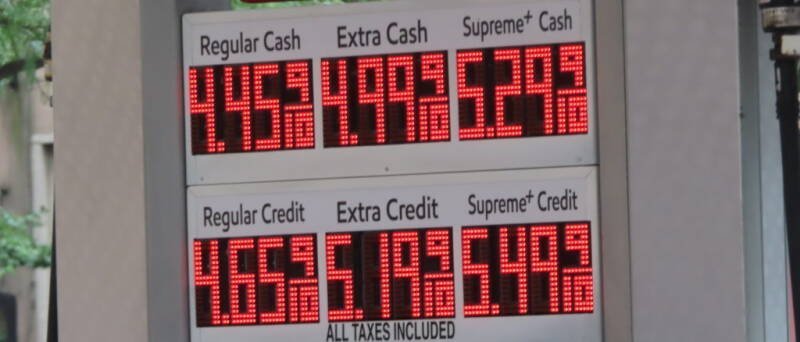



The war in Iran is driving up inflation. Learn how economic shocks are affecting consumer prices, and what the future might hold.
The Bureau of Labor Statistics (BLS) recently released its Consumer Price Index (CPI) for March, and the numbers paint a concerning picture: inflation is on the rise. The primary driver? The ongoing war in Iran, which is sending economic shockwaves throughout the global economy.
The Consumer Price Index is a key indicator of inflation. It measures the average change over time in the prices paid by urban consumers for a basket of consumer goods and services. A rising CPI signals that the cost of living is increasing, impacting everything from groceries to gasoline.
The war in Iran has disrupted global supply chains, particularly in the energy sector. Iran is a major oil producer, and the conflict has led to significant disruptions in oil production and export. This has resulted in a sharp increase in oil prices, which in turn, affects the cost of transportation, manufacturing, and many other sectors. Higher energy costs are quickly passed on to consumers.
Rising inflation erodes the purchasing power of your money. This means that the same amount of money buys fewer goods and services. For families already struggling to make ends meet, higher inflation can be devastating. It can also impact savings and investments, potentially reducing the real value of your assets.
In our opinion, the situation is likely to worsen before it improves. The conflict in Iran shows no signs of abating, and the longer it continues, the more significant the economic consequences will be. The rising oil prices are a crucial factor, and we believe that governments and central banks need to take decisive action to mitigate the impact on consumers and businesses.
This isn't just about oil. The war impacts shipping lanes, disrupts manufacturing in the region, and creates uncertainty that further fuels inflationary pressures. We believe governments need to consider targeted relief measures for vulnerable populations and work towards diplomatic solutions to stabilize the region.
Predicting the future is never easy, but here's what we expect in the short to medium term:
This could impact the upcoming election cycle. An economy struggling with high inflation could sway voters to different parties or support new policies designed to relieve economic burden.
Ultimately, the long-term impact will depend on the duration and intensity of the conflict in Iran, as well as the policy responses of governments and central banks around the world. Vigilance and proactive planning are essential for businesses and individuals to navigate this uncertain economic landscape. We will continue to monitor the situation and provide updates as it evolves.
























