Iran Threatens Shipping Lanes: What It Means for Global Trade
Iran warns of potential disruptions to shipping lanes beyond the Strait of Hormuz if the US and Israel escalate attacks. We analyze the implications.
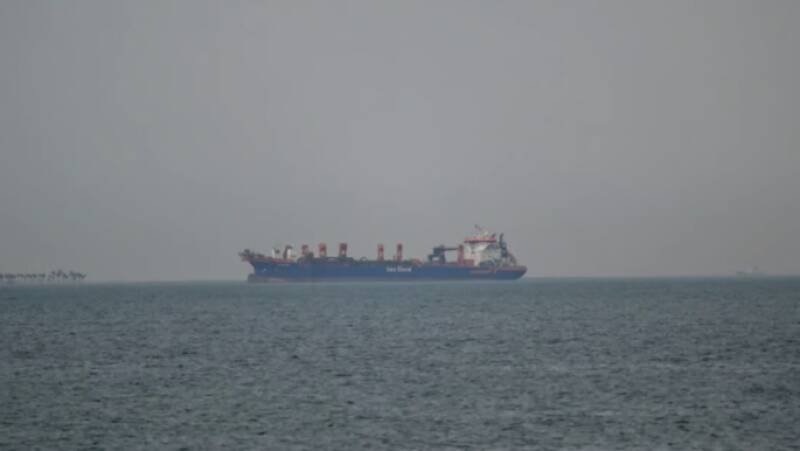



Iran warns of potential disruptions to shipping lanes beyond the Strait of Hormuz if the US and Israel escalate attacks. We analyze the implications.
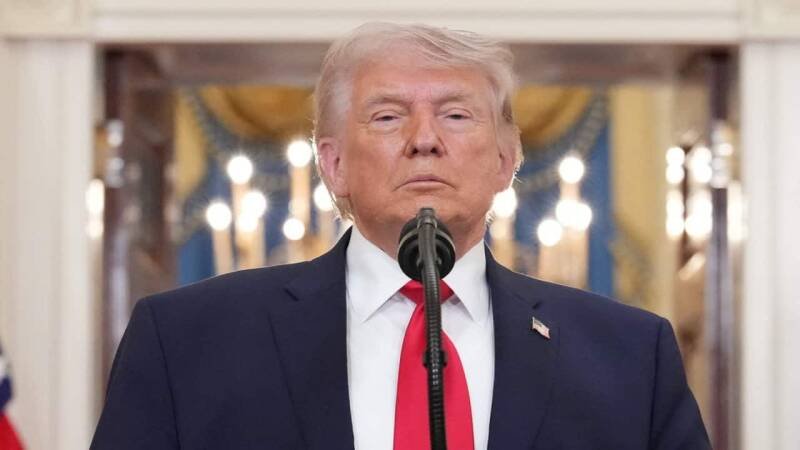
Tensions in the Middle East are rising again. Iran has issued a stark warning that shipping lanes beyond the Strait of Hormuz could be at risk if the United States and Israel escalate their attacks against the country. This warning follows threats from former US President Donald Trump who demanded that Iran fully reopen the Strait of Hormuz.
While the exact wording of the warning varies across reports, the core message is clear: any escalation by the US or Israel could lead to disruptions in maritime traffic far beyond the immediate vicinity of the Strait of Hormuz. This is a significant escalation in rhetoric, suggesting that Iran is prepared to retaliate in ways that could have far-reaching consequences.
The Strait of Hormuz is a narrow waterway located between Iran and Oman. It's one of the most strategically important chokepoints in the world, serving as the primary route for oil tankers transporting crude oil from the Persian Gulf to global markets. A significant portion of the world's oil supply passes through this strait daily, making it a vital artery for the global economy.
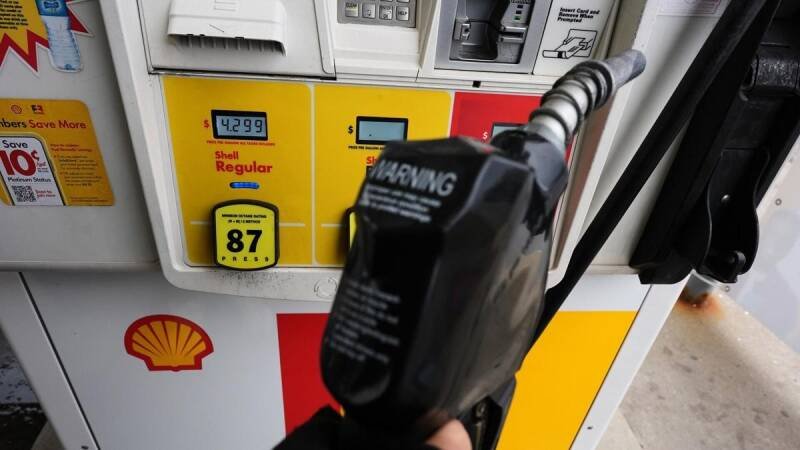
The threat to shipping lanes is not just a regional concern; it's a global one. Disruptions to maritime traffic, especially in a crucial area like the Middle East, can have cascading effects on international trade, energy prices, and overall economic stability. Here's why:
In our opinion, Iran's warning is a calculated move designed to deter further aggression. By highlighting the potential global economic consequences of a conflict, Iran is attempting to raise the stakes for the US and Israel. It's a form of deterrence, signaling that any attack will have repercussions that extend far beyond Iran's borders.
The fact that the threat extends beyond the Strait of Hormuz is particularly concerning. It suggests that Iran is prepared to employ asymmetric warfare tactics, potentially targeting ships in other areas to maximize the impact. This could impact shipping lanes in the Red Sea and Indian Ocean.
The situation remains highly volatile. Several factors could influence the future trajectory:
Looking ahead, it's likely that we'll see continued saber-rattling and heightened tensions in the region. Businesses and investors should be prepared for potential disruptions to global trade and energy markets. Closely monitoring geopolitical developments will be key to navigating this uncertain environment.