ICE Arrests in Mesa County: What the Data Reveals and Why It Matters
A deep dive into recently released ICE data showing arrests in Mesa County, Colorado, including analysis, context, and future implications.
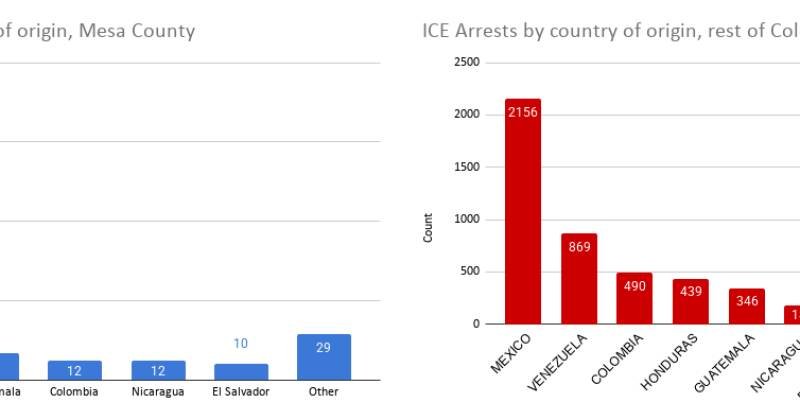



A deep dive into recently released ICE data showing arrests in Mesa County, Colorado, including analysis, context, and future implications.
Recently released data from Immigration and Customs Enforcement (ICE) reveals that 240 people were arrested in Mesa County, Colorado, last year. This information, obtained by a non-profit organization, provides a more complete picture of ICE activity in the region than previously available. Understanding these numbers is crucial for residents, policymakers, and anyone concerned with immigration enforcement in the United States.
While earlier data provided a partial view of apprehensions, this new dataset offers a comprehensive count of ICE arrests within Mesa County for the past year. This allows for a more accurate assessment of the scope and impact of ICE's operations in the area. It's important to note that an "arrest" doesn't necessarily mean someone is deported; it's the first step in a potentially lengthy legal process.
This data is significant for several reasons:
The arrest of 240 people in Mesa County is a significant number, especially considering the county's population. In our opinion, this level of enforcement raises serious questions about the priorities of ICE and the potential for disproportionate impact on certain communities. It's vital to analyze the demographics of those arrested and the reasons for their arrests to understand the true scope of the impact.
Furthermore, we believe the release of this data underscores the importance of freedom of information requests and the role of non-profit organizations in ensuring government transparency. Without these efforts, the public would remain largely unaware of ICE's activities in their communities.
Looking ahead, several factors could influence ICE activity in Mesa County:
This could impact local resources and communities who support immigrant populations. Furthermore, continued collection and analysis of ICE data will be crucial to monitoring trends, assessing the effectiveness of policies, and ensuring accountability. The need for legal assistance, social services, and community support is likely to remain significant in the foreseeable future.
In the long term, a comprehensive and humane approach to immigration reform is needed to address the root causes of migration and create a system that balances border security with the needs of families and communities. This may involve expanding legal pathways to citizenship, investing in economic development in countries of origin, and prioritizing enforcement efforts on serious criminals rather than hard working members of society.