Hungary-Russia Collusion: Undermining EU Sanctions? Analysis & Future Implications
A deep dive into allegations of Hungary colluding with Russia to weaken EU sanctions, analyzing the potential impact and future outlook.



A deep dive into allegations of Hungary colluding with Russia to weaken EU sanctions, analyzing the potential impact and future outlook.
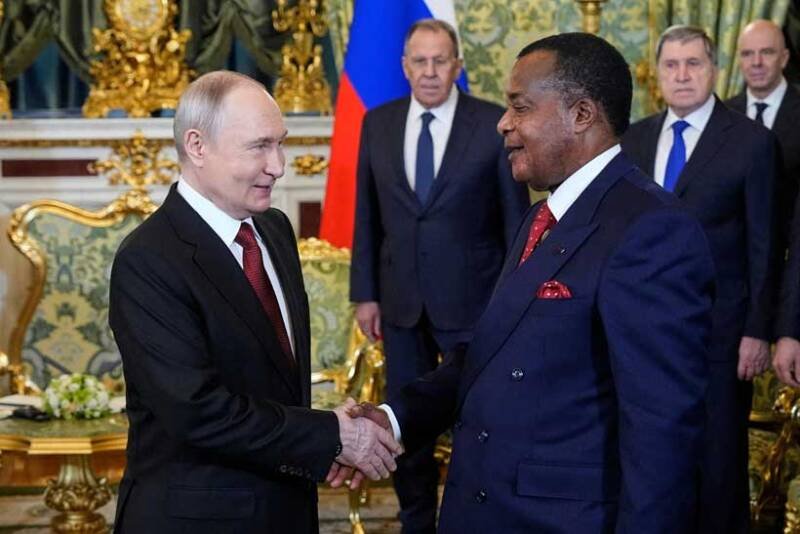
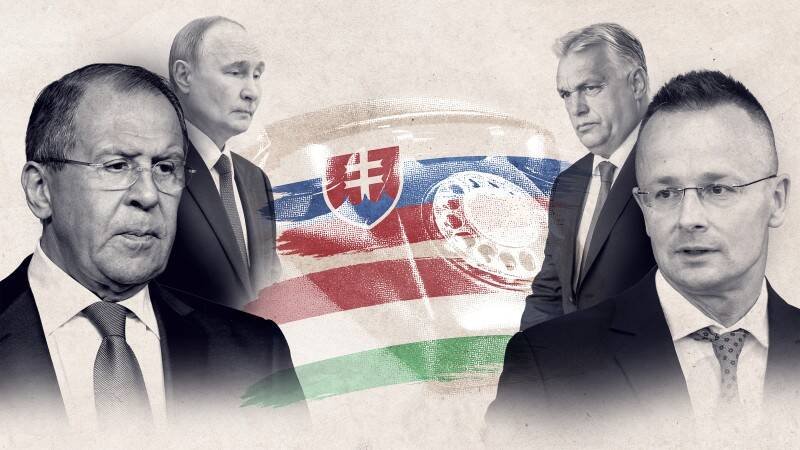
A recent report alleges a troubling connection between Hungary and Russia, suggesting that Hungary's foreign minister, Peter Szijjarto, provided his Russian counterpart, Sergey Lavrov, with sensitive information regarding EU sanctions against Russia. The report claims that these communications involved strategic insights on critical EU matters and coordinated efforts to remove sanctioned entities, including companies, banks, and relatives of oligarchs, from the sanctions list.
The core of the allegations revolves around multiple phone calls between Szijjarto and Lavrov. During these calls, it's claimed that Szijjarto shared information on upcoming EU discussions and votes related to sanctions. This information could have provided Russia with advance notice, allowing them to prepare counter-strategies and potentially influence the EU's decision-making process. The coordinated effort to delist sanctioned entities is also a major concern, implying a direct attempt to undermine the EU's economic pressure on Russia.
This news is significant for several reasons:
In our opinion, these allegations, if proven true, represent a serious breach of trust within the EU. While Hungary, under Prime Minister Viktor Orban, has often maintained a more lenient stance towards Russia compared to other EU member states, directly coordinating efforts to weaken sanctions would be a significant escalation.
This could indicate a deeper alignment of interests between Hungary and Russia than previously understood. It's important to consider the context: Hungary relies heavily on Russian energy imports, and Orban has consistently opposed stricter sanctions that could harm the Hungarian economy. However, even considering these factors, the alleged level of coordination is concerning.
Several motives could be at play here. Hungary might be prioritizing its economic interests, believing that maintaining strong ties with Russia is essential for its energy security and economic stability. Politically, Orban's government has often clashed with the EU on issues related to democracy and the rule of law, and this situation could be viewed as a continuation of that tension. Alternatively, there may be ideological alignment driving Orban's perceived pro-Russia stance.
The future implications of these allegations are considerable:
In the coming weeks and months, it will be crucial to monitor the EU's response to these allegations and the potential consequences for Hungary's relationship with the rest of the bloc. This could impact future EU policy toward Russia. The veracity of these claims need to be fully investigated. If found to be true, the EU must respond in a way that maintains their credibility and values.