Hess to Testify on Data Centers' Impact on Rural PA
Indiana County Commissioner Sherene Hess will testify at a Center for Rural Pennsylvania hearing about the impact of data centers on rural communities. Learn why this matters and what the future holds.
Hess to Testify on Data Centers' Impact on Rural PA
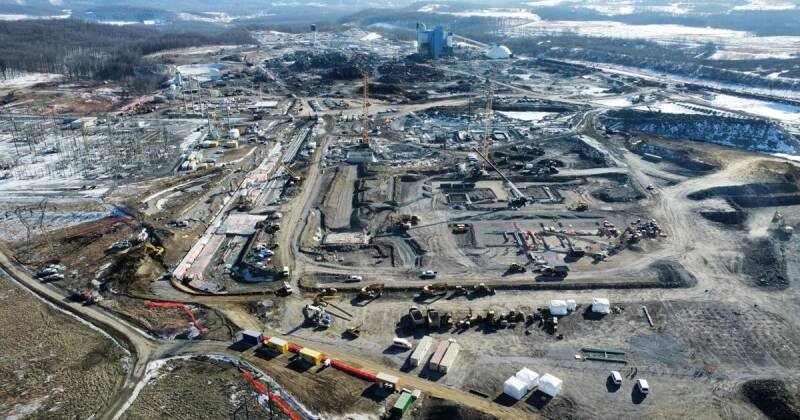
Indiana County Commissioner Sherene Hess is scheduled to testify before the Center for Rural Pennsylvania on April 17th in Tioga County. The topic? The growing presence and impact of data centers on rural communities like those found across Pennsylvania.
What is the Center for Rural Pennsylvania?
The Center for Rural Pennsylvania is a bipartisan legislative agency focused on addressing issues facing the state's rural areas. They conduct research, provide analysis, and offer policy recommendations to the Pennsylvania General Assembly. This hearing highlights their commitment to understanding the challenges and opportunities presented by technological advancements in rural settings.
Why Data Centers Are Coming to Rural Areas
Data centers, massive facilities housing computer systems and associated components like telecommunications and storage systems, are increasingly being located in rural areas due to several factors:
- Lower Land Costs: Rural land is generally cheaper than land in urban centers.
- Reliable Power Supply: Data centers require enormous amounts of electricity. Rural areas sometimes offer easier access to power grids or the potential for renewable energy sources.
- Tax Incentives: Local governments often offer tax breaks to attract data centers, hoping to spur economic development.
Why This News Matters
This testimony is significant because data centers have a complex and multifaceted impact on rural communities. While they can bring economic benefits, they also pose potential challenges.
On the positive side, data centers can:
- Create jobs (although often specialized and not necessarily high in number).
- Increase the tax base for local governments.
- Attract related businesses and industries.
However, they can also:
- Strain local infrastructure, particularly the electrical grid.
- Consume large amounts of water, which can be a concern in some rural areas.
- Potentially disrupt the character of the community with large, industrial-looking buildings.
Commissioner Hess's testimony provides an opportunity for the Center for Rural Pennsylvania to gain valuable insights into these impacts from a local perspective. Her experience in Indiana County will likely offer a real-world example of the challenges and opportunities faced by communities grappling with the arrival of data centers.
Our Analysis
In our opinion, this hearing is a crucial step toward developing informed policies that can help rural communities maximize the benefits of data centers while mitigating potential negative consequences. It's essential that the voices of local leaders like Commissioner Hess are heard during this process. Ignoring the needs and concerns of these communities could lead to unintended consequences and ultimately hinder sustainable economic development.
The fact that the Center for Rural Pennsylvania is holding this hearing indicates a growing awareness of the importance of data centers in the state's economic landscape. This could impact future legislation and funding decisions related to infrastructure development, workforce training, and community planning in rural areas.
Future Outlook
Looking ahead, we anticipate that the trend of data centers locating in rural areas will continue. The demand for data storage and processing power is only going to increase, driven by factors like cloud computing, artificial intelligence, and the Internet of Things. It's crucial that state and local governments work together to develop comprehensive strategies for managing this growth in a way that benefits both the data center industry and the communities they operate in.
This includes:
- Investing in infrastructure upgrades, particularly the electrical grid and water systems.
- Developing workforce training programs to prepare local residents for jobs in the data center industry.
- Creating clear and consistent zoning regulations that address the unique challenges posed by data centers.
- Ensuring that data centers pay their fair share of taxes to support local services.
Ultimately, the success of data centers in rural Pennsylvania will depend on a collaborative effort between government, industry, and the community. Open communication and a willingness to address concerns on all sides are essential to building a sustainable and mutually beneficial relationship.