Guam to Welcome Foreign Doctors: Analyzing the New Law and Future Challenges
Guam's new law allows foreign-trained doctors to practice, addressing the doctor shortage. We analyze the implications, challenges, and future outlook.



Guam's new law allows foreign-trained doctors to practice, addressing the doctor shortage. We analyze the implications, challenges, and future outlook.
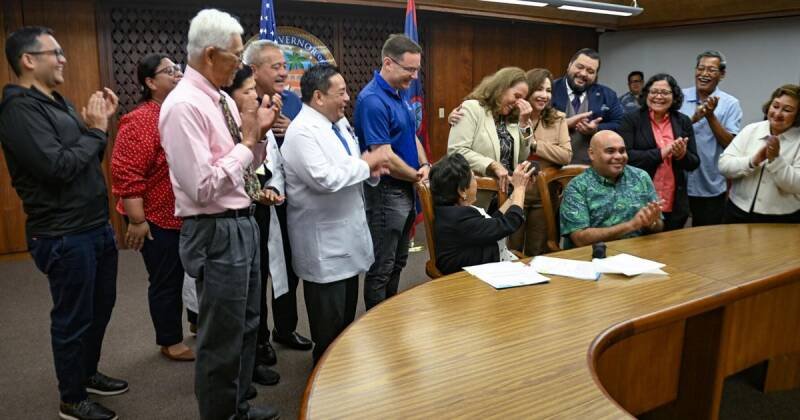
Guam has officially enacted a new law that aims to alleviate the island's persistent doctor shortage. Governor Lou Leon Guerrero signed Senator Telo Taitague's bill into law on Tuesday, creating a pathway for doctors trained outside the United States to practice medicine on Guam.
The legislation establishes a mechanism for foreign-trained physicians to obtain licenses to practice on Guam. This is particularly important because Guam, like many other island communities, struggles with attracting and retaining qualified medical professionals. The hope is that by streamlining the process for foreign doctors, the island will see a significant increase in available medical care.
However, the path isn't entirely clear. A "correction" bill is already waiting, hinting that the initial legislation may have some unintended consequences or require further clarification. Details of this correction bill have not been widely publicized, but it's important to note that the original law may be subject to changes.
This new law is significant for several reasons:
In our opinion, this new law is a positive step towards addressing a critical need. Guam's doctor shortage has been a significant challenge, and opening doors to qualified foreign-trained physicians is a sensible solution. However, the existence of a pending "correction" bill raises some concerns.
It's essential that the implementation of this law is carefully managed to ensure that foreign-trained doctors meet the required standards of care. Proper vetting and oversight are crucial to maintain patient safety and build public trust.
This could impact the healthcare system in the short term as the new law takes effect. There may be some delays as the new framework for licensing and credentialing is set up. Over the long term, however, the impact should be positive, leading to increased availability of medical services.
The future of this law depends on several factors:
Ultimately, the success of this initiative hinges on careful planning, effective implementation, and ongoing monitoring. In our opinion, if done right, this new law has the potential to significantly improve healthcare access on Guam.
The coming months will be crucial in determining the long-term impact of this legislation. We will continue to monitor the situation and provide updates as they become available.