Fire in Tacloban City Destroys Homes: What You Need to Know
A fire in Tacloban City's Barangay 80 Marasbaras destroyed 15 homes. Learn about the incident, its impact, and future implications.



A fire in Tacloban City's Barangay 80 Marasbaras destroyed 15 homes. Learn about the incident, its impact, and future implications.
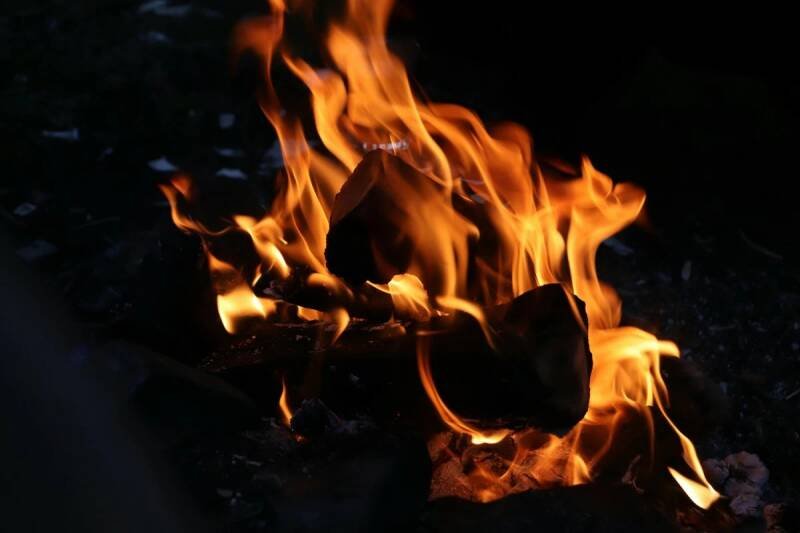
Early Wednesday morning, a devastating fire ripped through Barangay 80 Marasbaras in Tacloban City, Philippines, leaving fifteen families without homes. The blaze, reported around 2:30 a.m., quickly spread, consuming residential properties before firefighters could bring it under control.
According to initial reports, a resident first noticed the fire originating from a neighbor's house. The Tacloban City Fire Station responded swiftly, working to contain the inferno. It took firefighters approximately an hour and a half to bring the fire under control, finally declaring it out by 4:36 a.m.
While the damage to property is estimated at P200,000, thankfully, no injuries or casualties were reported. However, the loss of homes represents a significant hardship for the affected families.
Arson investigators are currently working to determine the cause of the fire. The investigation is crucial not only for understanding what happened but also for preventing similar incidents in the future.
This fire highlights the ever-present risk of house fires, especially in densely populated areas. It underscores the importance of fire safety measures, community preparedness, and rapid response from emergency services. The incident also brings to the forefront the immediate and long-term challenges faced by families who lose their homes and possessions in such disasters. Access to safe housing, food, and other resources is imperative to help these families rebuild their lives.
In our opinion, the swift response from the Tacloban City Fire Station was instrumental in preventing injuries and potentially limiting the spread of the fire. However, the incident also exposes vulnerabilities within the community. Issues such as overcrowding, inadequate fire safety infrastructure, and potentially unsafe electrical wiring may have contributed to the rapid spread of the fire.
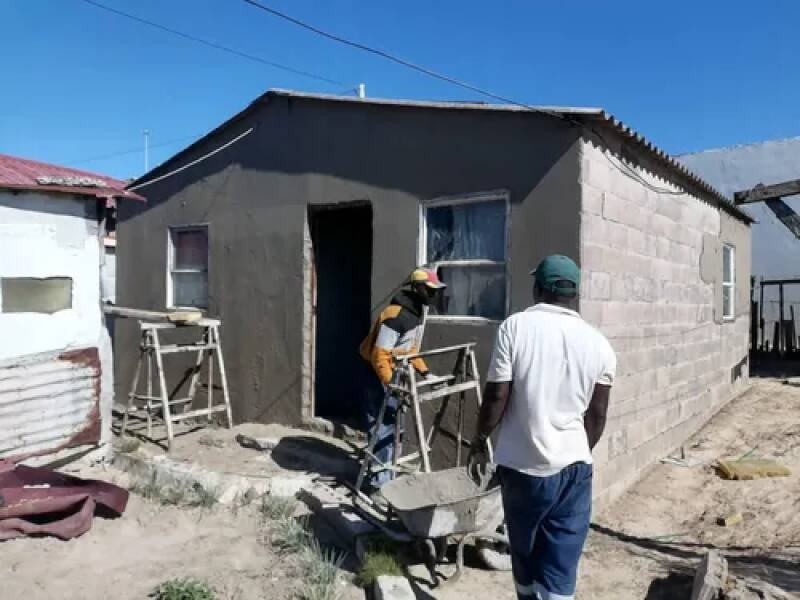
The relatively low damage estimate (P200,000 for 15 houses) suggests that the affected homes were likely made of light materials, contributing to the fire's rapid spread. This also highlights the socio-economic conditions in the area, where residents may not have the resources to build more fire-resistant structures. This could impact community safety and increase vulnerability to future disasters.
Moving forward, several steps are necessary to mitigate the risk of future fires and support affected communities:
Ultimately, preventing future tragedies requires a collaborative effort involving local government, fire services, community organizations, and residents. In our opinion, proactive measures and a commitment to safety are essential for protecting lives and property in Tacloban City and other vulnerable communities.