El Salvador Mass Trials: Justice or Injustice?
El Salvador's mass trials of alleged gang members are raising concerns about due process and human rights. Are the innocent paying the price?



El Salvador's mass trials of alleged gang members are raising concerns about due process and human rights. Are the innocent paying the price?
El Salvador is conducting mass trials of alleged gang members, a move hailed by some as a necessary step in combating crime. However, concerns are growing about the fairness of these trials and the potential for innocent people to be caught in the crossfire. Let's delve into the situation and explore the potential consequences.
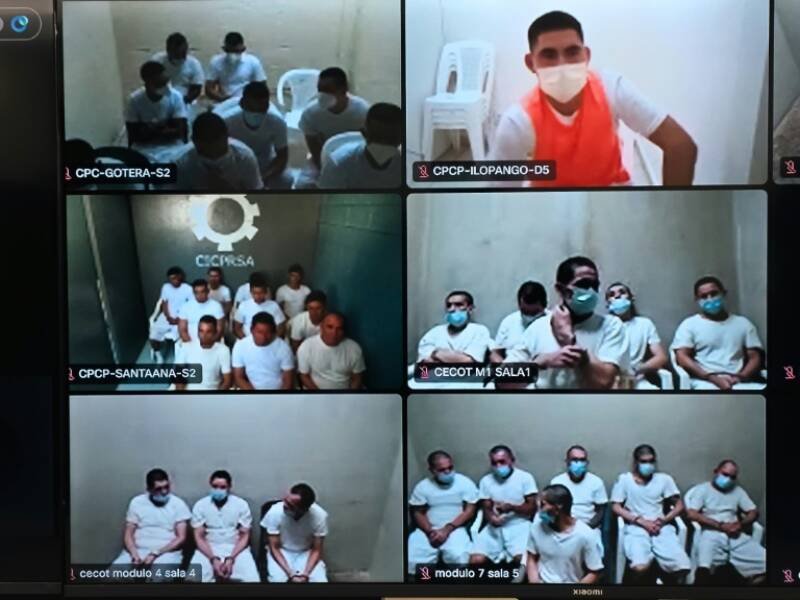
Imagine this: Rows of men in white uniforms, heads shaved, appear on video screens from prisons across El Salvador. They're participating in a mass trial, accused of gang membership. This is the reality in El Salvador, a country grappling with a long history of gang violence.
These trials, often involving hundreds of defendants at once, are a key part of President Nayib Bukele's crackdown on gangs. While many Salvadorans support the government's efforts to reduce crime, human rights organizations are raising alarms about the potential for abuse.
This situation matters for several reasons:
In our opinion, while the desire to combat gang violence is understandable, the current approach in El Salvador risks undermining fundamental principles of justice. Mass trials inherently create challenges to due process. It's difficult to ensure that each defendant receives individual attention and a fair opportunity to defend themselves when hundreds are being tried simultaneously.
The imagery of shaved heads and white uniforms also carries a powerful and potentially prejudicial message. It risks painting all defendants with the same brush, regardless of their individual circumstances. While President Bukele enjoys high approval ratings for his tough-on-crime stance, we believe it's crucial to consider the long-term consequences of these policies. A short-term drop in crime shouldn't come at the expense of fundamental human rights.
The "tough on crime" approach often neglects the root causes of gang violence, such as poverty, lack of opportunity, and social inequality. Addressing these underlying issues is crucial for achieving lasting peace and security.
The future remains uncertain. Here's what we might expect:
This could impact El Salvador's international relations. Countries may reconsider aid or investment based on human rights concerns. Internally, this can impact the relationship between the government and its people. If trust breaks down, the situation could become unstable.
We believe that a more nuanced approach is needed, one that addresses the root causes of gang violence while upholding the principles of justice and due process. This means investing in education, job creation, and social programs, as well as ensuring that law enforcement operates with accountability and respect for human rights.