Dunedin Botanic Garden's "Plants that Persevere" Trail: Exploring Plant Extremists
Discover the amazing adaptations of plants in the Dunedin Botanic Garden's "Plants that Persevere" trail. Learn about their survival strategies in extreme environments and why this matters for sustainability.
Dunedin Botanic Garden Highlights "Plants that Persevere"
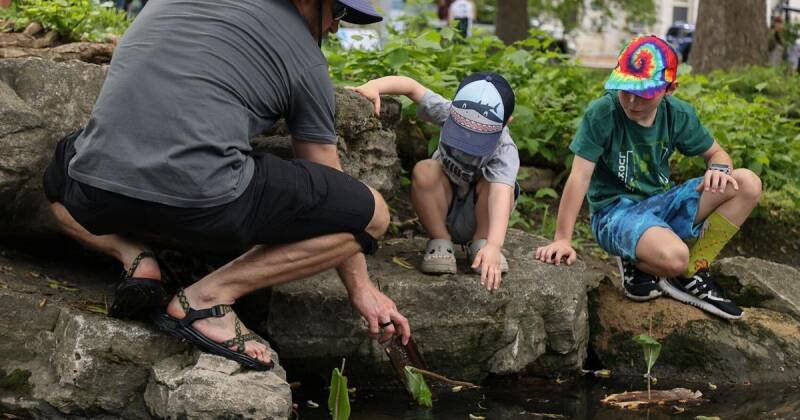
The Dunedin Botanic Garden is set to host a fascinating exploration of plant life with its "Plants that Persevere" trail. This self-guided, family-friendly trail, part of the Wild Dunedin festival, will showcase the incredible adaptations that allow certain plants to thrive in challenging environments.
A Journey Through Plant Resilience
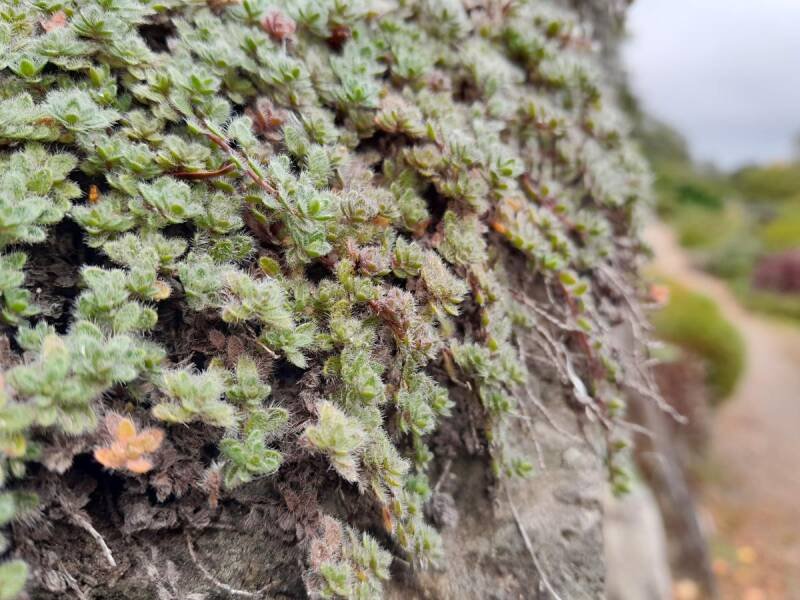
Located in the lower section of the Botanic Garden, the trail focuses on plants in the rock garden. These plants exhibit unique traits designed to withstand harsh conditions like drought, intense sunlight, and poor soil. The "Plants that Persevere" trail provides an opportunity to learn about these amazing survival strategies firsthand.
Imagine plants that can store water in their leaves for months, or others that have developed tiny hairs to reflect sunlight and minimize water loss. These are just a few examples of the incredible adaptations you'll discover along the trail.
Why This News Matters
Understanding how plants adapt to extreme environments is becoming increasingly important in the face of climate change. As our planet experiences more frequent and intense droughts, heatwaves, and other extreme weather events, learning from these "plant extremists" can provide valuable insights for agriculture, conservation, and urban planning.
By studying these plants, we can gain a better understanding of:
- Drought resistance mechanisms: How plants minimize water loss and maximize water uptake.
- Heat tolerance strategies: How plants protect themselves from extreme temperatures.
- Soil adaptation techniques: How plants thrive in nutrient-poor soils.
Our Analysis
In our opinion, the "Plants that Persevere" trail is a brilliant initiative by the Dunedin Botanic Garden. It's an engaging and accessible way to educate the public about plant adaptations and the importance of biodiversity. The focus on a family-friendly, self-guided experience makes it particularly appealing to a broad audience.
The event's timing, coinciding with the Wild Dunedin festival, is also strategic, leveraging the festival's reach and promoting sustainability-focused activities.
We believe this type of educational initiative is crucial for raising awareness about the challenges facing plant life in a changing climate. It fosters a greater appreciation for the natural world and inspires action towards conservation.
Future Outlook
The lessons learned from plants that thrive in extreme environments could have significant implications for the future of agriculture and horticulture. By identifying and understanding the genes and mechanisms that enable these plants to survive, scientists can potentially develop more resilient crops that can withstand the effects of climate change.
This could impact food security, especially in regions already experiencing water scarcity or extreme weather events.
Furthermore, the principles of "Plants that Persevere" can be applied to urban planning, promoting the use of drought-tolerant and heat-resistant plants in landscaping and green infrastructure, making our cities more sustainable and resilient. We also expect that similar exhibits and educational initiatives will continue to grow in popularity as the effects of climate change become more pronounced.
Ultimately, the "Plants that Persevere" trail is more than just a fun activity; it's a reminder of the incredible adaptability of life on Earth and a call to action to protect our planet's biodiversity for future generations.