Cook Islands Balances Security Ties: New Zealand and China
Cook Islands reaffirms its strategic partnerships with both New Zealand and China, emphasizing its autonomy in security and economic agreements. Understand the implications of this balancing act.
Cook Islands Navigates Geopolitical Waters: Balancing New Zealand Security with China Partnership
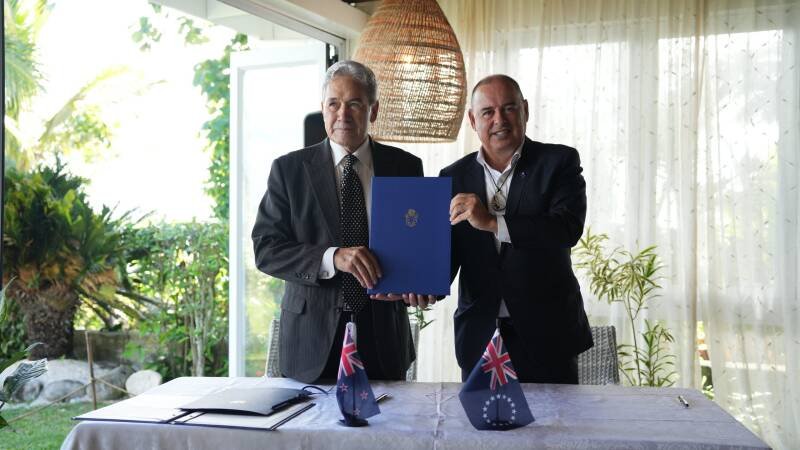
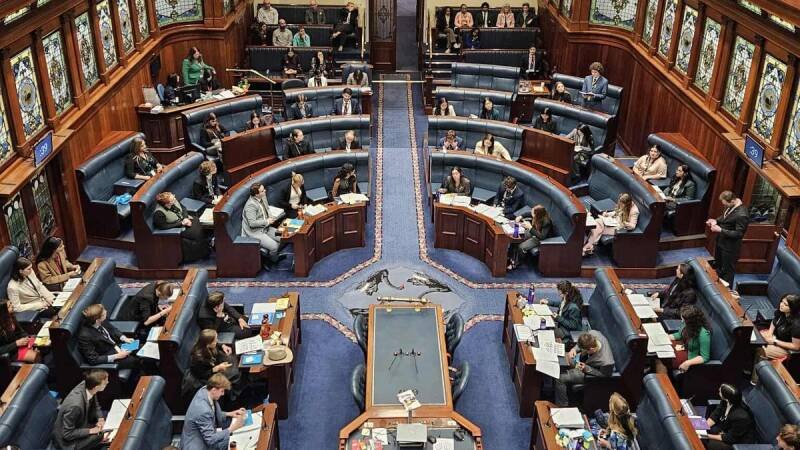
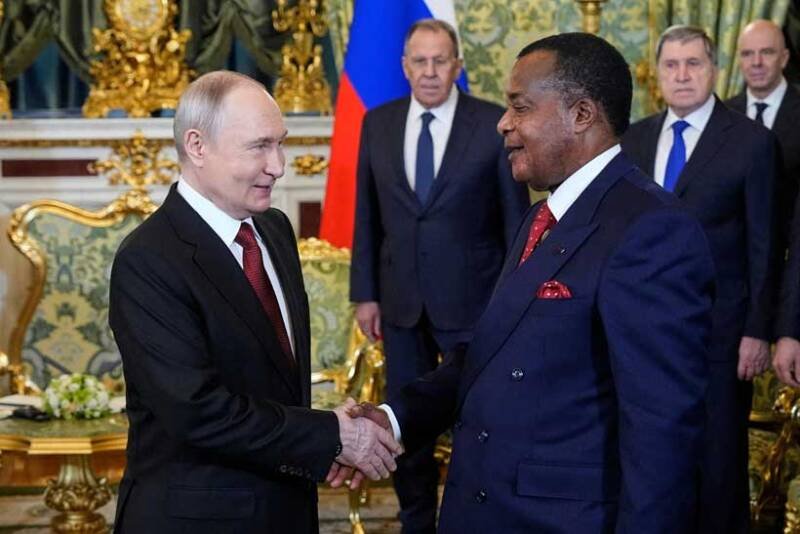
The Cook Islands, a self-governing island nation in free association with New Zealand, has recently clarified its position on international partnerships. Prime Minister Mark Brown has stated that a newly signed security and defence declaration with New Zealand does not affect its existing agreements with other nations, most notably the Comprehensive Strategic Partnership with China. This announcement highlights the delicate balancing act many Pacific Island nations are undertaking in the face of increasing geopolitical interest in the region.
What's the Agreement with New Zealand?
The security and defence declaration with New Zealand likely focuses on areas such as maritime security, disaster relief, and potentially, cybersecurity. While the specific details haven't been widely publicized, these types of agreements typically involve cooperation on training, information sharing, and joint exercises. New Zealand has a long-standing relationship with the Cook Islands, providing support and assistance in various sectors.
The Comprehensive Strategic Partnership with China
The Comprehensive Strategic Partnership with China encompasses a wider range of cooperation, including economic development, infrastructure projects, and cultural exchanges. China has been increasing its presence in the Pacific Islands, offering significant financial assistance and investment. This has raised concerns among some Western nations about China's growing influence in the region.
Why This News Matters
This news is significant because it underscores the Cook Islands' desire to maintain its sovereignty and make its own decisions about its international relations. It demonstrates a commitment to engaging with multiple partners, seeking benefits from each relationship without aligning exclusively with any one power. This is a common strategy among Pacific Island nations as they navigate a complex geopolitical landscape.
Our Analysis
In our opinion, Prime Minister Brown's statement is a clear message to both New Zealand and China: the Cook Islands values its relationships with both countries and will not be pressured into choosing sides. This reflects a pragmatic approach to foreign policy, prioritizing the needs and interests of the Cook Islands above all else.
This could impact the way other Pacific Island nations approach their own international partnerships. By demonstrating that it is possible to maintain strong relationships with both Western and Eastern powers, the Cook Islands could inspire other nations to pursue a similar path of non-alignment.
Future Outlook
The future will likely see the Cook Islands continuing to strengthen its ties with both New Zealand and China. We anticipate increased cooperation with New Zealand on security matters and continued economic engagement with China. The key will be for the Cook Islands to maintain its independence and ensure that all agreements are mutually beneficial and sustainable.
Looking ahead, it will be crucial to monitor how external pressures from major powers influence the Cook Islands' decision-making. Any attempt to force the nation into an exclusive alliance could destabilize the region and undermine its sovereignty. In our opinion, a balanced approach, such as the one currently pursued by the Cook Islands, is the most effective way to ensure stability and prosperity in the Pacific.