China's Iran Diplomacy: A Bid for Global Leadership and What It Means
China seeks to mediate tensions between Iran and other nations, signaling a play for global leadership. We analyze the implications and US disinterest.
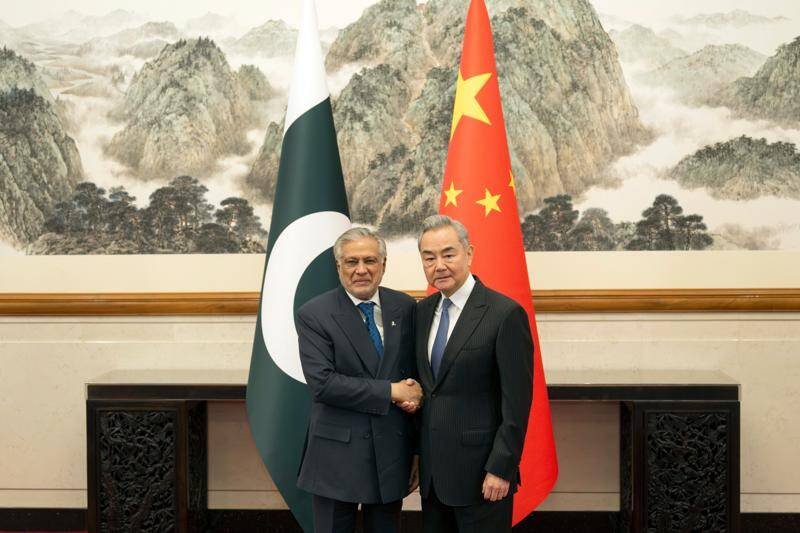



China seeks to mediate tensions between Iran and other nations, signaling a play for global leadership. We analyze the implications and US disinterest.
China is making a significant push to be seen as a global peacemaker by engaging in high-level diplomacy related to Iran. This effort is aimed at de-escalating tensions and fostering stability in a region vital to global energy supplies and international security. Recent meetings and pronouncements suggest a deliberate strategy by Beijing to position itself as a responsible and influential actor on the world stage.
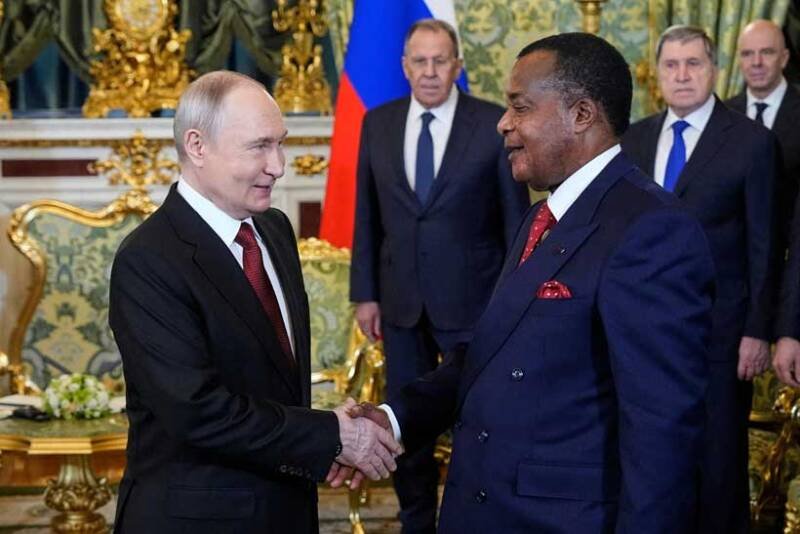
Recent reports highlight Chinese Foreign Minister Wang Yi's active involvement in discussions with various parties connected to the Iranian issue. These engagements suggest China is attempting to play a mediating role, a role traditionally held by Western powers. This represents a notable shift in the geopolitical landscape.
The specific details of China's proposals remain somewhat opaque, but the overarching goal appears to be encouraging dialogue and finding common ground. This initiative comes at a time when the traditional channels of communication, particularly between Iran and the United States, remain strained.
Interestingly, the United States seems to be taking a back seat in these diplomatic efforts. The US disinterest may stem from a variety of factors, including existing sanctions against Iran, differing priorities in the region, or even a calculated move to allow China to take the lead and potentially bear the responsibility for any outcomes.
This news is significant for several reasons. First, it demonstrates China's growing ambition to play a leading role in international affairs. Secondly, it highlights the shifting dynamics in the Middle East, where traditional alliances and power structures are being challenged. Thirdly, it raises questions about the future of US influence in the region. Finally, the outcome of these diplomatic efforts could have a major impact on global energy markets and international security.
In our opinion, China's diplomatic initiative represents a bold move to assert its influence and demonstrate its commitment to global stability. The US decision to stand aside, whether intentional or not, provides China with a unique opportunity to showcase its diplomatic capabilities. This could significantly enhance China's soft power and strengthen its relationships with countries in the region.
We believe this represents a calculated risk on China's part. Success in mediating tensions could elevate China's status as a global leader, while failure could damage its reputation. However, the potential rewards seem to outweigh the risks, particularly given the current vacuum of diplomatic leadership.
The level of US disinterest is notable. This could be interpreted in several ways. Perhaps the US feels that any direct involvement could be counterproductive given existing sanctions and mistrust. Alternatively, the US might be content to observe China's efforts, hoping that they will indirectly contribute to regional stability without requiring direct US engagement.
The success of China's diplomatic efforts remains uncertain. Much will depend on the willingness of all parties to engage in constructive dialogue and compromise. The coming months will be crucial in determining whether China can effectively mediate tensions and foster stability in the region.
This could impact the existing power balance in the Middle East and beyond. If China succeeds, it will undoubtedly gain significant influence in the region, potentially at the expense of the United States. The dynamics between China, Iran, and the United States will likely become increasingly complex and require careful monitoring.
Furthermore, the outcome of these diplomatic efforts could have implications for global energy markets. Reduced tensions and increased stability could lead to increased oil production and lower prices. Conversely, a failure to de-escalate tensions could result in further instability and potentially higher energy costs.