Canada Suspends Fuel Tax: Understanding the Impact of Carney's First Act
Prime Minister Mark Carney suspends the fuel tax in Canada following the Iran war. Learn about the reasons, implications, and future outlook of this major policy decision.
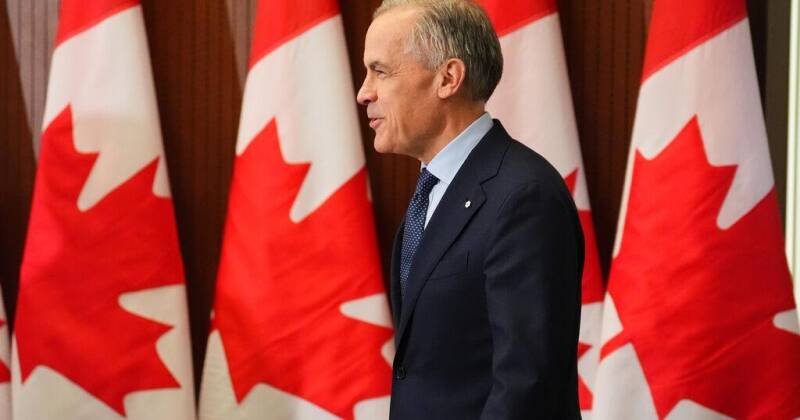



Prime Minister Mark Carney suspends the fuel tax in Canada following the Iran war. Learn about the reasons, implications, and future outlook of this major policy decision.
In a swift and decisive move, Canadian Prime Minister Mark Carney has suspended the federal fuel tax. This announcement came on Tuesday, immediately following his party's victory in securing a majority government. The decision is directly linked to the ongoing conflict stemming from the Iran war, a situation that has sent ripples throughout the global energy market.
Suspending the fuel tax represents a significant intervention by the Canadian government. This tax, levied on gasoline and diesel, contributes a notable amount to the cost consumers pay at the pump. Removing it aims to alleviate the financial burden on Canadians facing already rising energy prices amidst international turmoil.
This is far more than just a temporary reduction in gas prices. The suspension of the fuel tax is a powerful statement about the government's priorities. It signals a willingness to act decisively to protect Canadian citizens from the economic fallout of global events, specifically the impact of the Iran war on energy costs. This decision has implications for:
In our opinion, this is a calculated move by Prime Minister Carney. By acting quickly, he demonstrates strong leadership and responsiveness to the needs of the Canadian people. The timing, immediately after securing a majority government, is also strategic. It reinforces his mandate and allows him to implement policies without significant opposition.
However, the long-term implications are complex. While a temporary tax suspension provides immediate relief, it also reduces government revenue. The duration of the suspension, and the government's plans for offsetting the lost revenue, will be crucial factors in determining the overall impact. Further, this could impact the value of the Canadian dollar.
There's also the question of fairness. Some argue that a fuel tax is a necessary tool to encourage energy conservation and reduce carbon emissions. Suspending it, even temporarily, could be seen as a step backward in Canada's environmental goals.
The future impact of this policy hinges on several key factors:
It's likely that the government will closely monitor the economic situation and reassess the fuel tax suspension as the situation unfolds. The next budget announcement will be pivotal in unveiling Carney's broader economic strategy amidst this global uncertainty.
Ultimately, the suspension of the fuel tax is a complex issue with both immediate benefits and potential long-term challenges. How the Canadian government navigates these challenges will be critical in ensuring the economic well-being of its citizens during this turbulent time.
























