Canada Joins Talks on Strait of Hormuz: What It Means for Global Trade
Foreign Affairs Minister Anita Anand joins UK-led talks on the Strait of Hormuz. Learn why this waterway is crucial for global trade and what's at stake.




Foreign Affairs Minister Anita Anand joins UK-led talks on the Strait of Hormuz. Learn why this waterway is crucial for global trade and what's at stake.
Canada is stepping up its diplomatic efforts regarding a crucial global trade route. Foreign Affairs Minister Anita Anand will be participating in multi-national talks hosted by the United Kingdom this Thursday. The focus? Finding diplomatic solutions to ensure the Strait of Hormuz remains open and secure for international trade.
The Strait of Hormuz is a narrow waterway connecting the Persian Gulf to the Gulf of Oman and the Arabian Sea. It's one of the world's most strategically important choke points. Why? Because a significant percentage of the world's oil supply passes through it daily. Think of it as the jugular vein of global energy security.
Any disruption to traffic through the Strait could have significant repercussions for oil prices and the global economy. Recent tensions in the region have highlighted the vulnerability of this critical waterway.
The announcement of Anand's participation follows a trip to Riyadh, Saudi Arabia. While details of that trip haven't been explicitly linked to the Hormuz situation, it's reasonable to assume discussions about regional stability and security were on the agenda. Saudi Arabia is a key player in the region, and its cooperation is vital for any lasting solution.
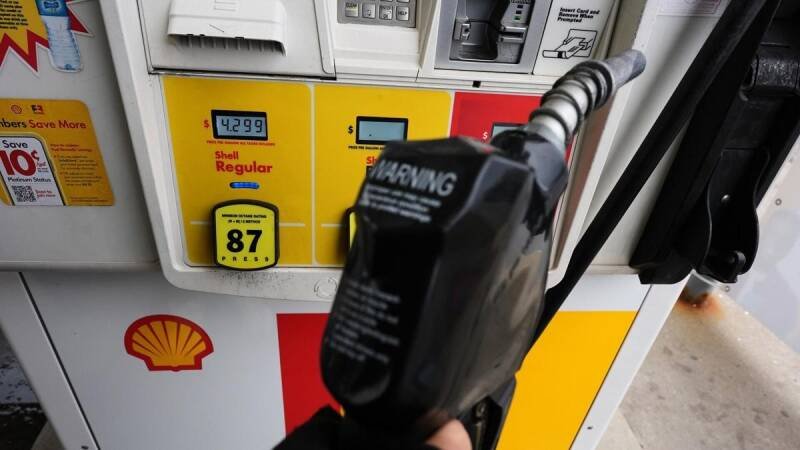
The Strait of Hormuz is not just some faraway waterway. Its stability directly impacts the cost of gasoline at your local pump and the overall health of the global economy. A disruption to trade in the Strait could lead to:
Therefore, Canada's involvement in these talks signifies a commitment to international stability and the smooth flow of global commerce. It also demonstrates Canada's willingness to engage in complex geopolitical issues beyond its immediate borders.
In our opinion, Canada's participation in these talks is a positive step. It signals a proactive approach to addressing a potentially volatile situation. While Canada may not be a major military power in the region, its diplomatic influence and commitment to multilateralism can be valuable assets.
However, the challenges are significant. Finding a lasting solution requires cooperation from a diverse range of actors with often conflicting interests. Success will depend on the willingness of all parties to engage in constructive dialogue and compromise.
The UK-led talks aim to de-escalate tensions and explore diplomatic avenues to maintain maritime security. This involves:
The situation in the Strait of Hormuz remains fluid and unpredictable. The success of these talks is far from guaranteed. Factors that could influence the future include:
This could impact global oil prices and trade if conflict was to break out in the region. Canada's role in these discussions is to advocate for peaceful resolutions and to promote a rules-based international order.
Going forward, it will be crucial for Canada to continue to engage with its allies and partners to monitor the situation closely and to be prepared to respond to any potential escalations.