California's Snowpack Crisis: What it Means for Wildfires
California's historically low snowpack raises alarms about an impending severe wildfire season. Learn why this matters, our analysis, and the future outlook.
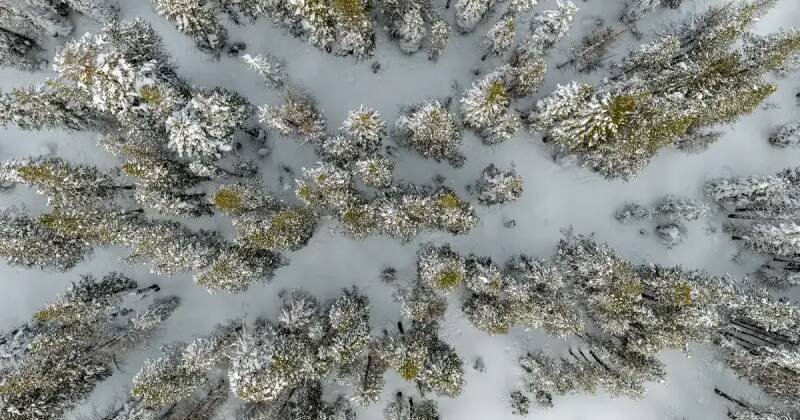



California's historically low snowpack raises alarms about an impending severe wildfire season. Learn why this matters, our analysis, and the future outlook.
California is facing a serious challenge. This week, reports confirmed that the state has recorded its second-lowest snowpack level in history. This isn't just about skiers being disappointed; it's a major red flag for the upcoming fire season. Think of snowpack as California's natural water reservoir. It slowly melts throughout the spring and summer, providing much-needed moisture to the landscape. Less snow means drier conditions, which translates to a heightened risk of wildfires.
Snowpack refers to the accumulated layers of snow, primarily in mountainous regions, that build up during the winter months. As temperatures rise in spring and summer, this snow melts, releasing water into rivers, lakes, and reservoirs. This water is crucial for agriculture, drinking water supplies, and maintaining healthy ecosystems. Critically, it also keeps vegetation moist, reducing the likelihood of it becoming tinder for wildfires.
The lack of snowpack has cascading effects. Drier vegetation becomes fuel for wildfires, making them easier to ignite and harder to control. This threatens communities, destroys habitats, and releases harmful pollutants into the air. The economic consequences can also be devastating, with costs associated with fire suppression, property damage, and long-term environmental restoration. The impact extends beyond California's borders, as smoke from wildfires can travel long distances, affecting air quality in neighboring states.
In our opinion, this situation highlights the increasing vulnerability of California to climate change. The reduced snowpack is a direct consequence of rising temperatures and altered precipitation patterns. While natural climate variability plays a role, the long-term trend is undeniable. We believe that a reactive approach to wildfire management is no longer sufficient. Proactive measures, such as fuel reduction, community education, and improved water management, are essential to mitigate the risks.
The future looks challenging. If climate change continues unabated, we can expect to see more frequent and severe droughts, leading to even lower snowpack levels and more intense fire seasons. This could impact California's water resources and strain its economy.
However, there is still time to act. Investing in climate resilience measures, such as water conservation, forest restoration, and early detection systems for wildfires, can help to mitigate the risks. Furthermore, transitioning to a more sustainable economy that reduces greenhouse gas emissions is crucial to addressing the root cause of the problem.
The current snowpack situation is a stark reminder of the challenges we face. While the situation is alarming, it also presents an opportunity to build a more resilient and sustainable future for California.