Buddhist Monastery Planned From Shipping Containers: A Modern Approach to Spiritual Housing
A unique development: Buddhist monks will soon have new accommodation built from shipping containers at a former golf clubhouse. Learn about the project, its impact, and the future of alternative housing solutions.
Buddhist Monastery Planned From Shipping Containers: A Modern Approach to Spiritual Housing
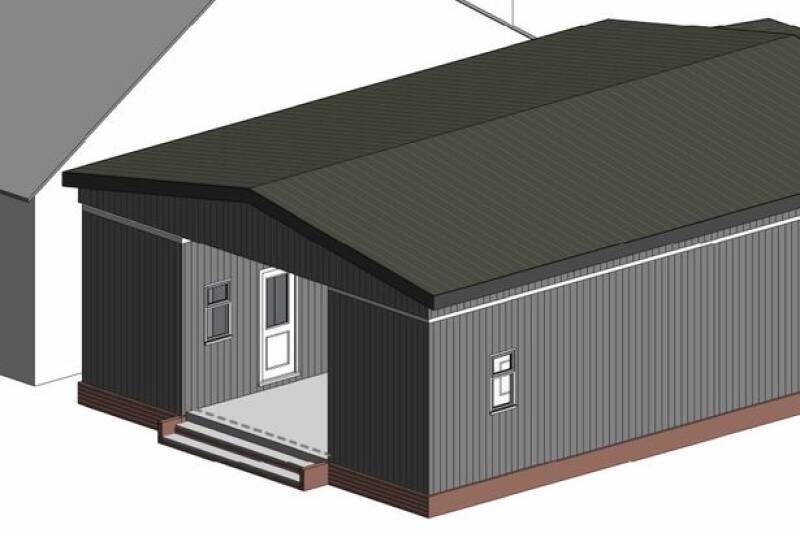
A former golf clubhouse is set to become a unique sanctuary for Buddhist monks. In an unconventional move, the accommodation will be constructed from three repurposed metal shipping containers. This project highlights a growing trend of utilizing alternative building materials to create functional and sustainable living spaces.
The Project Details
The development focuses on converting the existing structure and adding living quarters crafted from the durable steel boxes. While detailed plans are yet to be publicly released, the core idea revolves around transforming these containers into comfortable and functional living spaces for the monks. This approach offers a fast and relatively cost-effective solution compared to traditional construction methods.
The Benefits of Container Architecture
Using shipping containers as building blocks offers several advantages:
- Sustainability: Reusing existing containers reduces the demand for new building materials, contributing to a more environmentally friendly approach.
- Cost-Effectiveness: Repurposing containers can be cheaper than constructing new buildings, especially for basic structures.
- Speed of Construction: Container buildings can be assembled much faster than traditional buildings, reducing the overall project timeline.
- Durability: Shipping containers are designed to withstand harsh conditions, making them a robust building material.
Why This News Matters
This project signifies more than just building a place for monks to reside. It's a testament to creative problem-solving and the potential for innovative architectural solutions to address housing needs. This could inspire other communities and organizations to explore similar cost-effective and eco-conscious solutions, especially in areas where conventional construction is either too expensive or time-consuming. The positive publicity and potential for eco-tourism related to a unique Buddhist monastery could have economic benefits as well.
Our Analysis
In our opinion, the use of shipping containers is a smart and practical choice. It's a sustainable approach that minimizes environmental impact while creating a functional and aesthetically pleasing space. The project could serve as a model for future construction endeavors, demonstrating the versatility and affordability of container architecture. We believe that its success will depend on smart design choices that maximize the available space within the containers and integrate them seamlessly with the existing structure.
Furthermore, it will be interesting to observe if the unique character of this monastery becomes a local landmark and if it attracts visitors interested in architecture or Buddhism. The project demonstrates that even sacred spaces can be created using modern, eco-friendly building techniques.
Future Outlook
The success of this project could pave the way for more widespread adoption of container architecture in various contexts. We might see:
- Increased use of containers for affordable housing solutions.
- More architects exploring creative container designs.
- Government incentives for sustainable building practices.
- The development of new technologies and techniques for container modification and construction.
This project is a step in the right direction. The innovative use of recycled materials shows a commitment to environmental responsibility. This could impact the future of architectural design, promoting creative and eco-friendly solutions. It demonstrates the growing awareness of sustainable building practices and the potential for repurposing materials in innovative ways. While this particular project focuses on a spiritual need, the underlying principles can be applied to a broad range of housing challenges.