Canada-US Relations: BC Voices on Carney's Committee - What it Means
Two British Columbians join Mark Carney's committee on US-Canada relations. Learn why this is important for trade, CUSMA, and the future of Canada-US ties.



Two British Columbians join Mark Carney's committee on US-Canada relations. Learn why this is important for trade, CUSMA, and the future of Canada-US ties.
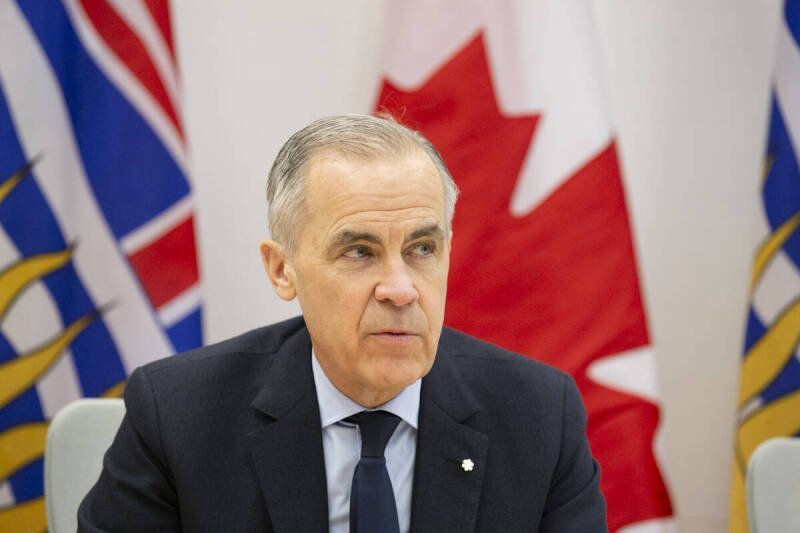
A significant development in Canada-US relations has recently unfolded with the appointment of two British Columbians to a committee led by former Bank of Canada Governor Mark Carney. This committee is tasked with examining and strengthening the ties between Canada and the United States, a relationship critical for both nations' economic and strategic well-being. The news highlights the importance of British Columbia's perspective in shaping future cross-border collaborations.
The core objective of this committee is to explore and enhance the multifaceted relationship between Canada and the US. This includes evaluating existing agreements, identifying areas for improvement, and proposing new strategies to foster closer cooperation. With Mark Carney at the helm, the committee brings together a diverse group of experts from various fields, offering a comprehensive approach to addressing complex issues.
Specifically, a joint review of the Canada-United States-Mexico Agreement (CUSMA), also known as USMCA in the US and T-MEC in Mexico, is on the horizon. This committee's input could significantly influence Canada's approach to this crucial trade agreement.
The appointment of British Columbians to this committee underscores the province's vital role in Canada-US relations. BC serves as a crucial gateway to the Asia-Pacific region, making its insights invaluable when discussing trade, investment, and security matters. Decisions made at the national level often have direct implications for BC's economy, environment, and overall prosperity.
Furthermore, the upcoming CUSMA review will have wide-ranging impacts on various sectors, including agriculture, manufacturing, and technology. BC's participation ensures that its specific interests and concerns are represented during these critical negotiations. Ignoring the perspective of a significant province like BC could lead to policies that aren't optimized for the country as a whole.
In our opinion, the inclusion of British Columbians on this committee is a positive step towards ensuring a balanced and representative approach to Canada-US relations. BC's unique geographical location and economic ties make it a key player in cross-border interactions. The knowledge and experience of these individuals will undoubtedly contribute valuable insights to the committee's deliberations.
This could impact future trade agreements and collaborations by ensuring that the specific needs and perspectives of Western Canada are taken into account. This localized consideration can lead to more robust and mutually beneficial outcomes for both Canada and the US.
While this development is encouraging, it's crucial to maintain vigilance and ensure that the committee's recommendations are implemented effectively. The devil is often in the details, and continuous monitoring is necessary to safeguard Canada's interests. The committee must engage with various stakeholders, including businesses, labor unions, and civil society organizations, to gather diverse perspectives and build consensus.
The future of Canada-US relations hinges on effective communication, collaboration, and a commitment to mutual understanding. This committee has the potential to pave the way for stronger ties and enhanced cooperation in various areas, from trade and security to climate change and energy policy.
Looking ahead, we anticipate that the committee's recommendations will shape Canada's negotiating strategy in the upcoming CUSMA review. This could lead to refinements and updates that better reflect the evolving economic landscape. It's also likely to inform future discussions on other key issues, such as border security, cybersecurity, and infrastructure development.
Ultimately, a strong and well-managed relationship with the United States is essential for Canada's long-term prosperity and security. This committee represents a crucial step towards achieving that goal, and its success will depend on the dedication and expertise of its members, as well as the willingness of both governments to listen and act on its recommendations.