Bhopal Bhoj Wetland Dispute: Selective Survey Raises Bias Concerns
A new survey around Bhopal's Bhoj Wetland is causing controversy. Locals accuse authorities of bias and selective enforcement. What's at stake? We analyze the situation.



A new survey around Bhopal's Bhoj Wetland is causing controversy. Locals accuse authorities of bias and selective enforcement. What's at stake? We analyze the situation.
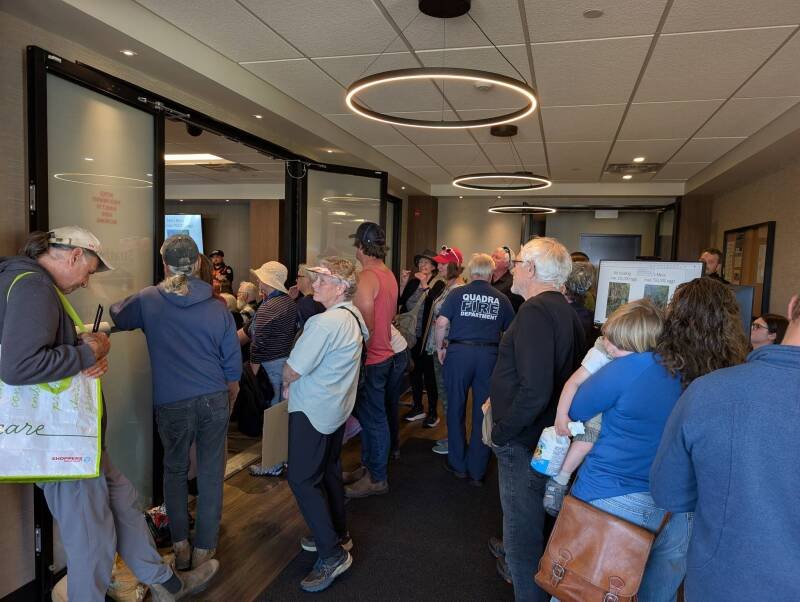
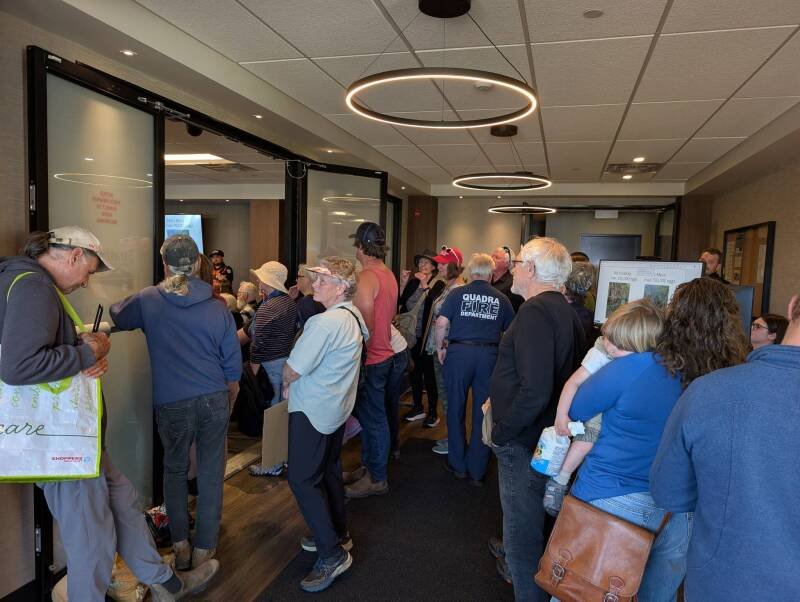
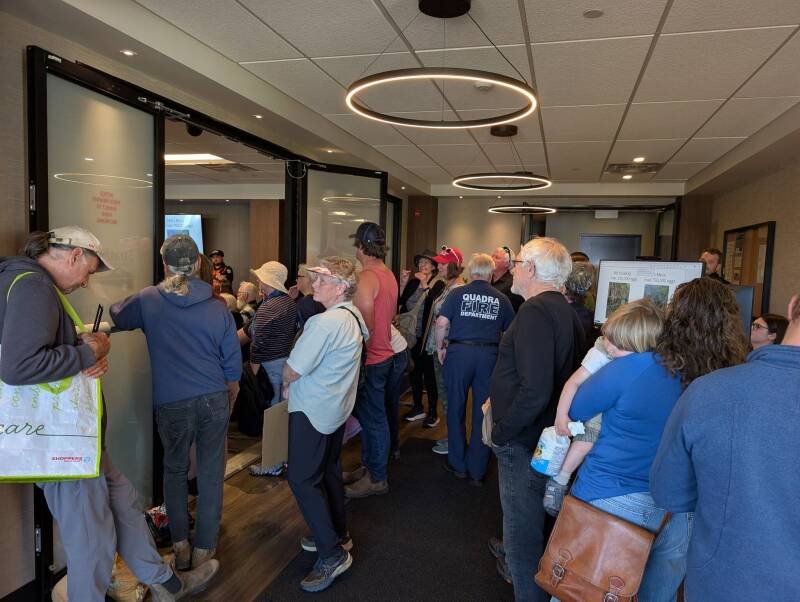
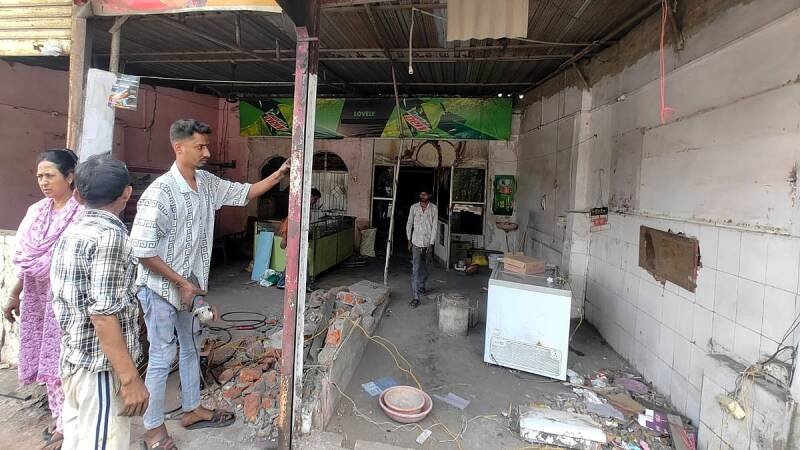
A new survey around Bhopal's Bhoj Wetland, a vital water source and ecological hotspot, has ignited a controversy. Residents living near the wetland are alleging bias and selective enforcement by authorities, claiming that previous surveys recognized their properties as being outside the Full Tank Level (FTL) zone, only to have those findings disregarded now.
The core of the issue revolves around the demarcation of the FTL zone, which defines the area considered part of the wetland and subject to environmental regulations. According to local residents, two earlier surveys placed their homes and shops outside this zone. This meant they were not considered encroachments on the wetland and were therefore not subject to potential removal or restrictions.
However, the current administration appears to be taking a different stance. Residents claim that the present survey is selectively targeting their properties, ignoring the findings of the previous assessments. This has fueled accusations of bias and unfair treatment.
Adding another layer to the dispute is the fact that the Bhopal Municipal Corporation (BMC) has been collecting taxes from these residents for years. This includes significant commercial taxes, with one shop owner claiming to have paid Rs 60,000 in annual tax last year alone. Locals argue that if their properties were truly considered illegal encroachments, the BMC would not be collecting taxes from them.
This issue highlights the complex interplay between environmental conservation, land rights, and governance. The Bhoj Wetland is an invaluable ecosystem, providing crucial services like water storage and biodiversity. Protecting it is essential. However, it's equally important to ensure fairness and transparency in the enforcement of environmental regulations. Disregarding previous agreements and selectively targeting residents can erode trust in the authorities and create unnecessary hardship. This case is a microcosm of similar land disputes across India, where balancing development with environmental protection requires careful consideration and equitable solutions.
In our opinion, the situation in Bhopal raises serious questions about the consistency and fairness of the government's approach. If previous surveys clearly demarcated the FTL zone and recognized certain properties as being outside it, the current administration needs to provide a clear and compelling justification for deviating from those findings. Simply disregarding past assessments without a robust rationale undermines the credibility of the process.
The BMC's continued collection of taxes from these residents further complicates the matter. It creates a perception of hypocrisy, where the government is simultaneously profiting from these properties while potentially considering them illegal. A thorough and impartial investigation is needed to determine the validity of the residents' claims and ensure that any enforcement actions are based on sound legal and ethical principles.
The future of this dispute hinges on several factors:
This could impact future development projects and environmental conservation efforts in the region. A fair resolution will build public trust and encourage cooperation in protecting the Bhoj Wetland. A mishandled situation, however, could lead to further legal battles, social unrest, and damage to the environment. This incident could become a precedent for other ongoing and future land disputes, so it is important that the authorities set a good example.