BC Mulls Suspending Indigenous Rights Act: What It Means for Reconciliation
British Columbia is considering suspending its Declaration on the Rights of Indigenous Peoples Act. What does this mean for First Nations, businesses, and the future of reconciliation? We break it down.
BC Considers Pausing Indigenous Rights Act: A Deep Dive
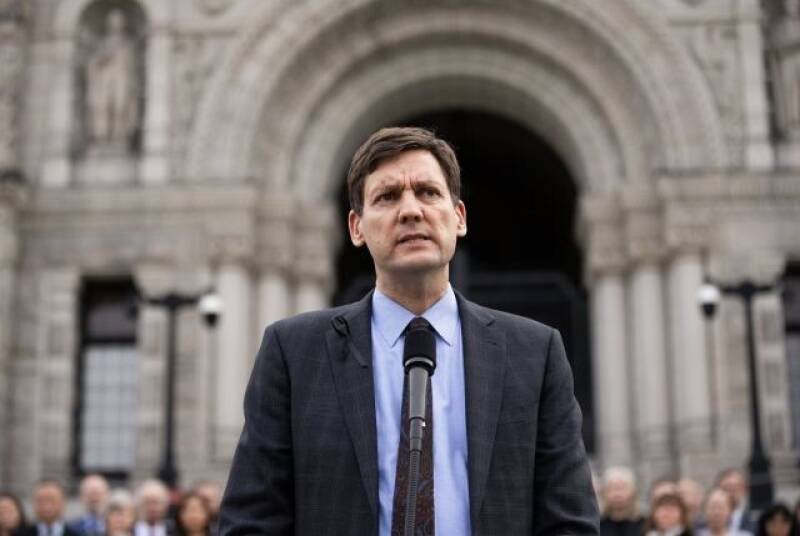
British Columbia is reportedly weighing a controversial move: a potential three-year suspension of its Declaration on the Rights of Indigenous Peoples Act (DRIPA). This news, stemming from a meeting between Premier David Eby and First Nations leaders, has sent ripples throughout the province, raising serious questions about the future of reconciliation and resource development.
What is the Declaration on the Rights of Indigenous Peoples Act (DRIPA)?
DRIPA, passed in 2019, aims to align BC laws with the United Nations Declaration on the Rights of Indigenous Peoples (UNDRIP). UNDRIP recognizes Indigenous peoples' fundamental human rights, including the right to self-determination, lands, territories, and resources. DRIPA provides a framework for the BC government to work with Indigenous communities to implement these rights through legislation and policy.
The core goal is to move beyond consultation and towards consent. This means seeking free, prior, and informed consent from Indigenous communities on decisions that affect their rights and territories.
Why This News Matters
This potential suspension is significant for several reasons:
- Reconciliation: It casts a shadow over the BC government's commitment to reconciliation with Indigenous peoples. Suspending DRIPA could be seen as a step backward in building trust and partnerships.
- Resource Development: DRIPA implementation has created uncertainty for resource development projects. A suspension could provide temporary relief for industries but might also lead to prolonged legal challenges down the road.
- Investment Climate: The news could impact investor confidence. Some investors may see it as reducing regulatory hurdles, while others may view it as creating instability due to potential legal challenges from First Nations.
- Social Justice: The move raises fundamental questions about Indigenous rights and the balance between economic development and social justice.
Our Analysis
In our opinion, the possible suspension highlights the complexities of implementing UNDRIP in practice. Balancing Indigenous rights, economic development, and the needs of various stakeholders is a significant challenge. The Eby government is likely facing pressure from multiple sides, including resource industries concerned about project delays and Indigenous communities demanding greater control over their lands and resources.
One of the biggest challenges has been the interpretation of "consent." What does it mean in practice? How is it obtained? And what happens when consent is not given? These questions remain largely unanswered, leading to confusion and potential conflict. This lack of clarity could be a key driver behind the proposed suspension.
This could impact BC's reputation as a leader in Indigenous relations. Other jurisdictions watching BC will be carefully monitoring the outcome of this situation.
Future Outlook
The future is uncertain. Here are some potential scenarios:
- Negotiation and Compromise: The government could use the suspension period to engage in deeper consultation with First Nations and develop a clearer framework for implementing DRIPA. This would involve addressing concerns about project delays while ensuring that Indigenous rights are respected.
- Legal Challenges: If the suspension goes ahead without sufficient consultation, it is likely to face legal challenges from First Nations, potentially leading to a lengthy and costly court battle.
- Political Backlash: The decision could trigger significant political backlash, both from Indigenous communities and from those who support reconciliation.
- Revised Implementation: Instead of a full suspension, the government might consider a revised implementation plan that addresses specific concerns while maintaining the overall principles of DRIPA.
What's Next?
Expect intense negotiations between the BC government and First Nations leaders in the coming weeks. The outcome will have a profound impact on the future of reconciliation, resource development, and the relationship between Indigenous peoples and the province of British Columbia. We will continue to monitor this developing situation and provide updates as they become available.
It is crucial that any decision made prioritizes open dialogue, respect for Indigenous rights, and a commitment to finding solutions that benefit all British Columbians.