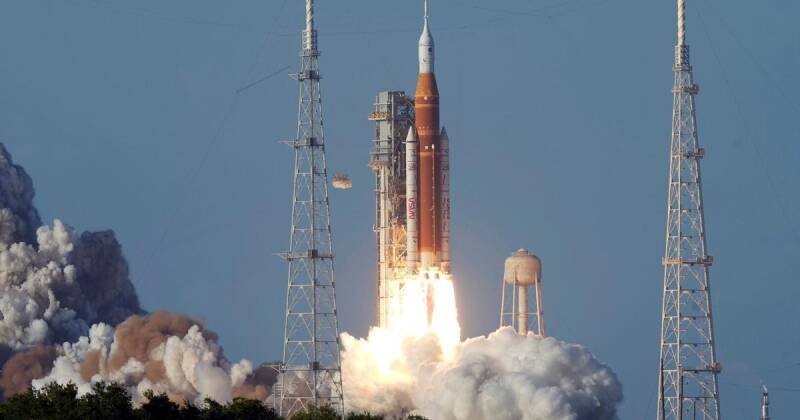
Artemis II: NASA's Lunar Voyage Sets Stage for Moon Base
Artemis II astronauts are preparing for a lunar voyage, marking a pivotal step towards NASA's ambition of establishing a permanent moon base. Learn about the mission, its significance, and the future of lunar exploration.
Artemis II: NASA Astronauts Embark on Historic Lunar Voyage
NASA's Artemis II mission is officially underway, marking a monumental step in humanity's return to the Moon. The mission, crewed by four astronauts, represents the first crewed lunar voyage in over 50 years and serves as a crucial stepping stone towards establishing a permanent lunar presence.
The Artemis II Mission: A Quick Overview
Artemis II is designed to send a crew of astronauts around the Moon and back. While it won't involve a lunar landing like the Apollo missions, it will thoroughly test the Orion spacecraft and Space Launch System (SLS) rocket in deep space conditions. The mission will gather critical data on the performance of these systems, paving the way for future lunar landings.
The Artemis program is significantly different from the Apollo program, which focused primarily on scientific exploration during short lunar stays. The Artemis program sets its sights on establishing a sustained human presence on the Moon, enabling more extensive research, resource utilization, and potentially serving as a staging ground for future missions to Mars.
Why This News Matters
This news matters because it signifies a renewed commitment to space exploration and the ambition to push the boundaries of human knowledge. Establishing a permanent presence on the Moon has the potential to unlock invaluable scientific discoveries, create new economic opportunities related to space resources, and advance technology that could benefit life on Earth. It's also a vital step in preparing for manned missions to Mars.
In our opinion, this mission is about more than just going back to the moon. It's a statement that space is important and a motivator for the next generation of scientists and engineers.
Our Analysis
The success of Artemis II is crucial for the entire Artemis program. It serves as a validation of the SLS rocket and the Orion spacecraft, both of which have faced significant scrutiny and development challenges. The data collected during this mission will inform future design improvements and operational procedures.
Furthermore, the mission will allow NASA to assess the radiation environment in deep space and its potential effects on human health. This knowledge is essential for planning longer-duration missions to the Moon and beyond.
The international collaboration involved in the Artemis program is also noteworthy. Partner agencies from Europe, Canada, and Japan are contributing to various aspects of the mission, highlighting the global effort to explore and utilize space for the benefit of all humankind.
This mission also signifies a shift in focus towards sustainable lunar exploration. Unlike the Apollo missions, which were short-term visits, Artemis aims to establish a long-term presence on the Moon, involving in-situ resource utilization (ISRU) and the development of lunar habitats.
Future Outlook
The success of Artemis II sets the stage for Artemis III, which is planned to land astronauts on the Moon near the lunar south pole. This landing will mark another historic moment in space exploration. Looking further ahead, NASA envisions building a lunar base, known as Gateway, to serve as a staging point for future lunar missions.
This could impact many industries on Earth by creating new fields for research and manufacturing in space, and by helping us better understand our own planet through lunar observations.
Potential Challenges
While the future of lunar exploration looks promising, several challenges remain. These include:
- Ensuring the reliability and safety of the SLS rocket and Orion spacecraft
- Developing effective radiation shielding for astronauts
- Securing sufficient funding for the Artemis program
- Addressing potential political and geopolitical risks
Overcoming these challenges will be crucial for realizing the full potential of the Artemis program and establishing a permanent human presence on the Moon.
Ultimately, the Artemis program represents a bold vision for the future of space exploration. With careful planning, international collaboration, and sustained commitment, humanity can unlock the vast potential of the Moon and prepare for even more ambitious journeys beyond.