Dog Saves Duck: Viral Video, Animal Behavior Explained, and Why It Matters
A viral video of a dog "saving" a duck has captured hearts online. But what's really going on? We delve into animal behavior, the implications of anthropomorphism, and why this feel-good story matters.
Trending Now: Dog Saves Duck... Or Does It?
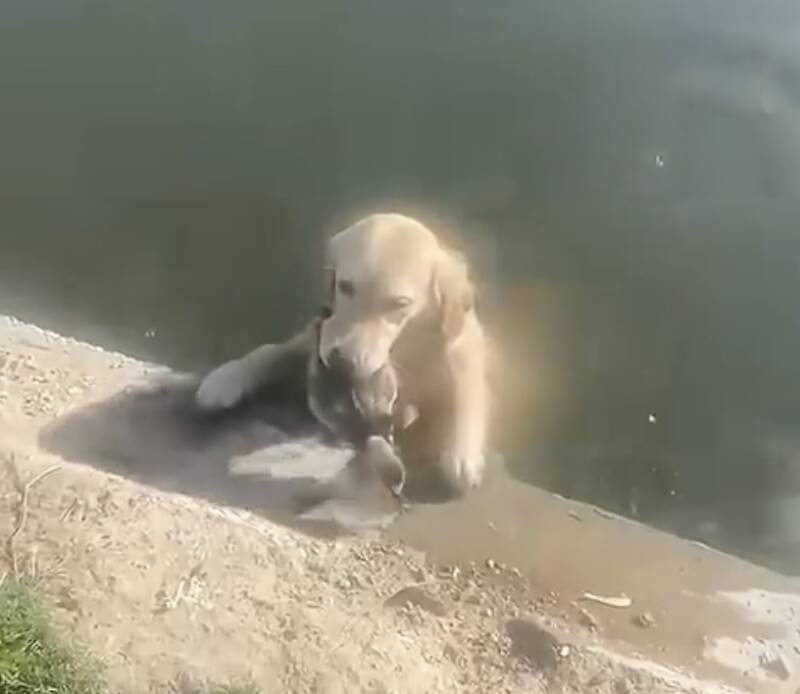
A heartwarming video of a dog seemingly "rescuing" a duck from a body of water has exploded across social media. The clip, showing a golden retriever gently pulling a duck to shore, has garnered millions of views and countless shares. People are praising the dog's heroic actions, calling it a testament to the compassion of animals. But is this really a story of interspecies altruism, or is there more to the situation?
The Viral Video Explained
The video typically shows a golden retriever, often near a pond or lake, approaching a duck that is swimming. The dog enters the water, gently nudges the duck, and then carefully pulls it back towards the shore. Once on land, the duck appears unharmed, and the dog is often praised by its owner. The scenario is undeniably endearing, fueling the internet's love for animal videos.
Why This News Matters
While the video is undeniably feel-good, it highlights some important points about how we perceive animal behavior. It's easy to project human emotions and motivations onto animals, a phenomenon known as anthropomorphism. Understanding the difference between what we *think* an animal is doing and what is *actually* driving its behavior is crucial for responsible pet ownership and a more accurate understanding of the natural world.
Understanding Anthropomorphism
Anthropomorphism is the attribution of human traits, emotions, or intentions to non-human entities. While it can be harmless in entertainment, it can lead to misinterpretations of animal behavior. In this case, assuming the dog understands the duck is in danger and is intentionally saving it might be inaccurate.
Our Analysis
In our opinion, while the dog's actions are undeniably adorable, it's crucial to consider the underlying instincts at play. Golden retrievers, and many other breeds, have a strong retrieving instinct bred into them. This instinct, honed over generations of selective breeding, compels them to pick up and bring back objects. The duck, floating on the water, may have simply triggered this ingrained behavior. The dog wasn't necessarily "saving" the duck; it was acting on its programming.
The Role of Instinct
The retrieving instinct is deeply ingrained in certain breeds. It's not necessarily a conscious decision, but rather an automatic response to a specific stimulus. The duck moving on the water would fit into the retrieving behaviour that it was bred for. This behaviour is reinforced with praise and reward from the owner, solidifying the action.
The Duck's Perspective
It's also important to consider the duck's perspective. While the duck might appear unharmed, being grabbed by a dog, even gently, is undoubtedly stressful. The duck's behavior may be a sign of fear and confusion, not necessarily a sign that it needed rescuing.
Future Outlook
These types of videos will continue to proliferate on the internet. As long as the interaction is not harmful to the animals, it is generally safe. But, It's important for viewers to be aware of the potential for anthropomorphism and to appreciate the complexity of animal behavior. Educational content that explores the science behind animal actions can help foster a more nuanced understanding and appreciation for the animal kingdom. In our opinion, as pet ownership rises, so will videos like this.
Responsible Pet Ownership
It's essential to ensure that interactions between pets and wildlife are safe and supervised. While a heartwarming video is enjoyable, prioritizing the well-being of all animals involved is paramount. This could impact the way we perceive animal interactions moving forward.