China's Robot Half-Marathon: Testing the Limits of Humanoid Tech
China is hosting its 2nd humanoid robot half-marathon with tougher terrain, signaling its ambition to lead the global robotics industry. Learn why this matters and what it means for the future.
China's Robot Half-Marathon: Testing the Limits of Humanoid Tech
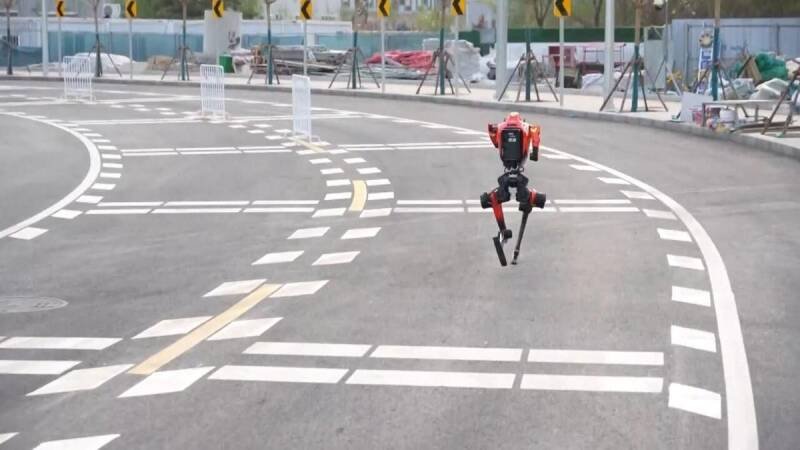
China is doubling down on its commitment to robotics. This Sunday, over 300 humanoid robots are set to participate in the country's second robot half-marathon. But this isn't just a simple race; the course is designed to be significantly more challenging than last year's, pushing the robots' technical capabilities to the absolute limit.
What's Happening?
The half-marathon will take place in China, with organizers incorporating tougher terrain. This means the robots will have to navigate obstacles, changes in elevation, and potentially even varying surface conditions – things that would be a breeze for a human athlete but represent a significant hurdle for a machine.
Why is China Doing This?
China has made it very clear that it intends to be a global leader in the robotics industry. They see robotics, along with artificial intelligence and other advanced technologies, as crucial pillars of their future economy. By hosting events like this robot half-marathon, China is not only showcasing its progress but also driving innovation and fostering competition among its domestic robotics companies.
Why This News Matters
This event is much more than just a quirky race. It's a strong indicator of China's strategic priorities and its determination to dominate the robotics market. The advancements made in these types of competitions translate directly into real-world applications, from manufacturing and logistics to healthcare and even space exploration. A successful robot half-marathon, especially one with challenging terrain, demonstrates significant progress in areas like balance, locomotion, sensor integration, and autonomous decision-making – all critical for building truly useful and versatile robots.
Our Analysis
In our opinion, China's focus on robotics is a smart long-term investment. While other countries are also developing robotic technologies, China's scale and centralized planning give it a potential advantage. The government's active promotion of the industry, combined with the country's vast manufacturing capabilities and rapidly growing tech sector, creates a powerful ecosystem for innovation. This competition will likely lead to significant advancements in humanoid robot technology, pushing the boundaries of what's currently possible. This could impact global supply chains and further automate manufacturing and logistics industries.
The Significance of Humanoid Robots
The choice of humanoid robots is also significant. While industrial robots have been around for decades, humanoid robots are designed to interact with the human world, navigate human environments, and potentially even perform tasks designed for humans. This makes them particularly relevant for applications in healthcare, elder care, and customer service. Developing robots that can effectively move and operate in these environments is a complex challenge, and events like this half-marathon are a key step towards overcoming those challenges.
Future Outlook
We anticipate that China will continue to invest heavily in robotics research and development, and that we'll see even more sophisticated robotic competitions in the coming years. Expect to see improvements in areas like:
- Battery life and energy efficiency
- Software and AI for autonomous navigation
- Dexterity and fine motor skills
- Adaptability to changing environments
The rise of robotics could also lead to significant societal changes, including job displacement in certain sectors and new ethical considerations surrounding AI and automation. Understanding these implications and preparing for them will be crucial as robotics technology continues to advance. This competition highlights the ongoing evolution of robotics and the increasing sophistication of these technologies. The advancements demonstrated in the robot half-marathon could translate into tangible improvements in various industries, showcasing China's commitment to becoming a global leader in robotics.