Electric Buses Face Reliability Concerns: What It Means for Public Transportation
Are electric buses reliable enough for public transportation? We examine the concerns raised about on-time performance and what it means for the future of EV buses.
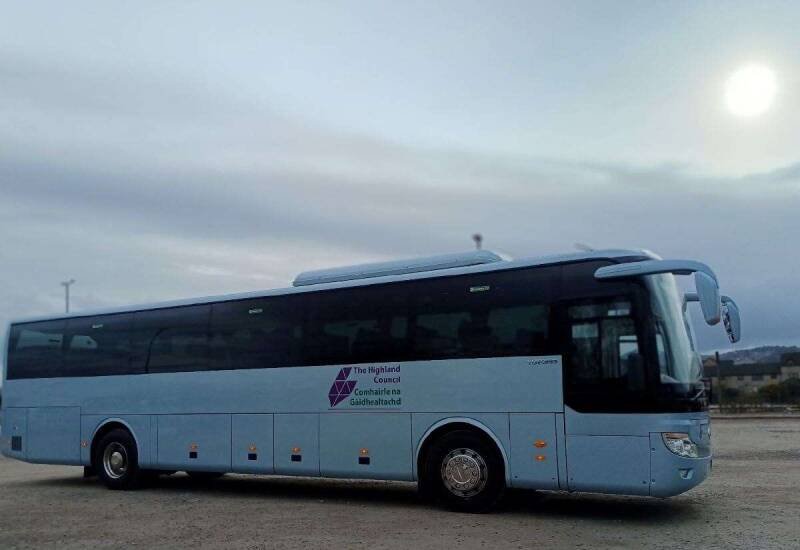



Are electric buses reliable enough for public transportation? We examine the concerns raised about on-time performance and what it means for the future of EV buses.
The push for electric vehicles (EVs) is extending to public transportation, with many cities investing heavily in electric bus fleets. The promise is cleaner air, reduced noise pollution, and a more sustainable future. However, a recent commentary from Colin Campbell raises a crucial question: Are electric buses reliable enough to actually improve the rider experience?
Campbell's argument centers on the idea that passengers care more about buses arriving on time than about the type of engine powering them. He suggests that if electric buses are consistently late or prone to breakdowns, their environmental benefits become secondary to the fundamental need for reliable transportation.
This highlights a potential gap between the ideal of sustainable transportation and the practical realities of implementing new technologies. Simply switching to electric power doesn't automatically solve existing problems within a public transit system.
This issue is significant for several reasons:
In our opinion, Campbell's concerns are valid and warrant serious consideration. While electric buses offer numerous advantages, their reliability is paramount. A bus that sits idle due to charging issues or mechanical problems is useless to commuters, regardless of its environmental credentials.
The success of electric bus programs hinges on more than just purchasing the vehicles. It requires a holistic approach that includes:
We believe that it's crucial for transit agencies to transparently address these challenges and proactively communicate with the public about the steps they are taking to ensure the reliability of electric bus service. Failure to do so could result in public backlash and hinder the widespread adoption of EVs in public transportation.
The future of electric buses depends on addressing the reliability concerns and optimizing their operation. Technological advancements in battery technology and charging infrastructure will likely play a significant role in improving performance. Further development of fast-charging systems will reduce downtime and increase the flexibility of bus routes.
This could impact manufacturers to focus more on reliability and less on range. Better vehicle maintenance planning and fleet management will also be key. We expect to see increased collaboration between bus manufacturers, technology providers, and transit agencies to develop comprehensive solutions that address the challenges of electric bus deployment.
Ultimately, the success of electric buses will be judged not only on their environmental impact but also on their ability to provide reliable, convenient, and affordable transportation for all. The focus must shift from simply electrifying the fleet to ensuring that electric buses are a viable and effective solution for the long term.