AI Boom Hinders Clean Air Efforts in Polluted Missouri City
The AI boom is leading to increased energy consumption and hindering clean air efforts in St. Louis, Missouri, a city already struggling with pollution. Learn how data centers impact local communities.
AI Boom Hinders Clean Air Efforts in Polluted Missouri City
St. Louis, Missouri, a city with a history of pollution and environmental justice concerns, is facing a new challenge: the energy demands of the rapidly growing artificial intelligence (AI) industry. This surge in energy consumption threatens to derail decades of efforts to improve air quality, particularly in historically marginalized communities.
The Fight for Clean Air
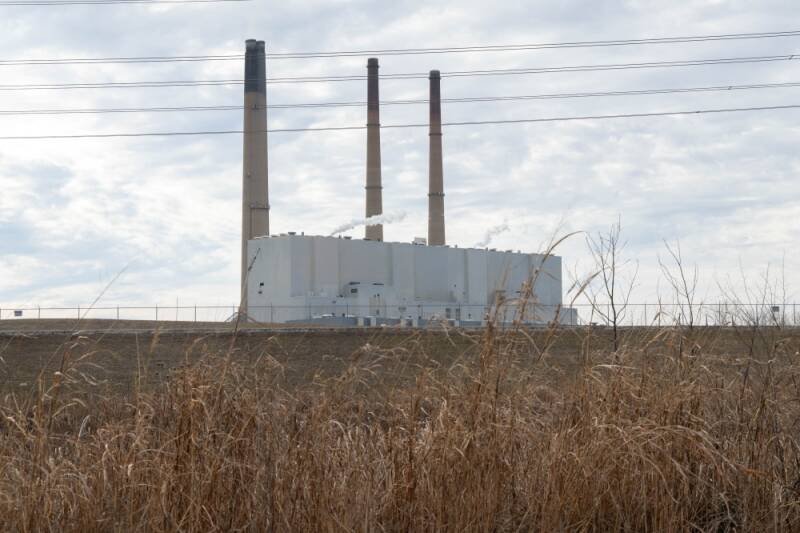
For decades, residents like Barbara Johnson, living in predominantly Black neighborhoods, have been battling against pollution from sources like coal-fired power plants. These communities disproportionately bear the brunt of environmental hazards, leading to higher rates of respiratory illnesses and other health problems. Their fight for clean air represents a long and arduous struggle for environmental justice.
Data Centers and the Energy Drain
The culprit behind this new threat is the increasing demand for data centers. These facilities, which house the servers that power AI applications, require massive amounts of electricity to operate and stay cool. As AI becomes more prevalent, the need for data centers continues to grow, putting a strain on local power grids and potentially leading to increased reliance on fossil fuels.
Ameren, the utility company serving St. Louis, is struggling to keep up with the increasing energy demands. To meet the needs of data centers, it may need to rely on older, less efficient power plants, which could lead to increased air pollution and further harm the health of local residents. This poses a significant setback to the progress made in reducing emissions and improving air quality.
Why This News Matters
This story highlights the unintended consequences of technological advancements. While AI offers immense potential, its energy demands can have significant environmental impacts, especially in communities already burdened by pollution. It underscores the need for sustainable solutions and responsible development of AI technologies that minimize their environmental footprint. This also highlights the importance of ensuring environmental justice in the face of rapid technological change. Failure to address these issues risks exacerbating existing inequalities and undermining years of hard-won progress in improving public health.
Our Analysis
In our opinion, this situation is a clear example of the tension between technological progress and environmental sustainability. The allure of AI and its economic benefits cannot overshadow the potential harm it can inflict on vulnerable communities. It's crucial for policymakers, tech companies, and utility providers to collaborate on strategies that promote both innovation and environmental responsibility.
The increasing demand for energy to power AI data centers could lead to increased reliance on fossil fuels like coal. This has a ripple effect and negates the benefits of investments into clean energy initiatives. It becomes a situation of 'one step forward and two steps back'.
Environmental Justice at Risk
The impact on predominantly Black neighborhoods in St. Louis raises serious concerns about environmental justice. These communities have historically faced disproportionate exposure to pollution, and the increased energy demands of AI data centers could further exacerbate these inequalities. In our opinion, special attention and targeted interventions are needed to protect these vulnerable populations.
Future Outlook
The future depends on proactive measures to mitigate the environmental impact of AI. This includes investing in renewable energy sources, improving energy efficiency in data centers, and developing AI algorithms that require less computational power. Furthermore, transparent communication and community engagement are essential to ensure that the benefits of AI are shared equitably and that the burdens are not disproportionately borne by marginalized communities.
Here are some potential future developments:
- Increased investment in renewable energy projects in St. Louis to meet the growing demand for electricity.
- Development of stricter environmental regulations for data centers to minimize their pollution.
- Community-led initiatives to monitor air quality and advocate for environmental justice.
- Technological advancements in AI that reduce its energy consumption.
Ultimately, a sustainable future requires a holistic approach that considers the environmental and social implications of technological advancements. This situation in St. Louis serves as a cautionary tale, reminding us of the need to prioritize environmental justice and responsible innovation as we navigate the AI revolution.