West Kootenay Hospital Tax Hike: What It Means for You
A 2% tax increase is coming to West Kootenay to fund hospital upgrades. Learn how it will affect your wallet, the future of healthcare, and our expert analysis.
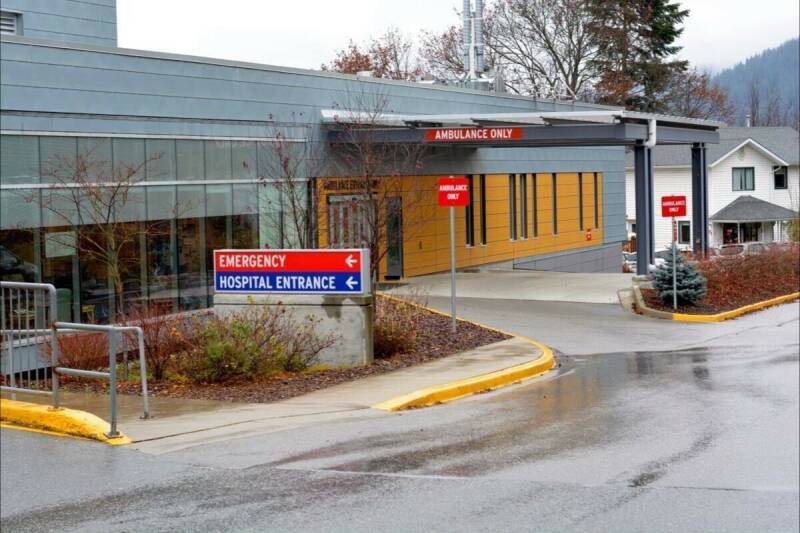



A 2% tax increase is coming to West Kootenay to fund hospital upgrades. Learn how it will affect your wallet, the future of healthcare, and our expert analysis.
Residents of the West Kootenay region will see a 2% increase in their property taxes to fund much-needed capital improvements at local hospitals. The Kootenay Boundary Regional Hospital District (KBRHD) board has approved the measure, opting for a smaller tax hike by utilizing reserve funds.
The tax increase is primarily aimed at addressing aging infrastructure and supporting essential upgrades at hospitals throughout the region. Without these improvements, the quality of healthcare services could be compromised. This could lead to longer wait times, and potential disruptions in service availability for West Kootenay residents.
The KBRHD board decided to tap into reserve funds to cushion the blow of the tax increase. This decision aims to alleviate the financial burden on residents, particularly during times of economic uncertainty. The board acknowledges the delicate balance between funding essential healthcare upgrades and ensuring affordability for taxpayers.
This tax increase directly impacts every homeowner in the West Kootenay region. While nobody enjoys paying more taxes, these funds are earmarked for crucial hospital upgrades that will affect the quality of healthcare available to you, your family, and your neighbors. The decision highlights the ongoing challenges of funding healthcare in rural areas and the difficult choices local governments face.
In our opinion, the KBRHD board made a pragmatic decision. While a tax increase is never popular, the alternative – delaying crucial hospital upgrades – could have far more severe consequences. Using reserve funds to minimize the tax hike demonstrates a level of fiscal responsibility and awareness of the financial pressures faced by residents. It's important to consider this increase not just as an expense, but as an investment in the long-term health and well-being of the community.
However, it also raises questions about the long-term sustainability of healthcare funding in the region. Will 2% be enough to cover all needed upgrades? What happens when reserve funds are depleted? These are crucial issues that need ongoing attention and transparent communication from the KBRHD.
The long-term impact of this tax increase will depend on several factors, including:
This could impact property values. Better healthcare infrastructure can make a region more desirable to live in, potentially leading to higher property values in the long run. However, if future tax increases are required to maintain these improvements, it could offset some of those gains.
It's essential for residents to stay informed about the progress of the hospital upgrades and to engage with the KBRHD on issues of healthcare funding and service delivery. Transparent communication and community involvement will be key to ensuring that these investments truly benefit the West Kootenay region.