Wei Wai Kum First Nation Calls for Treaty Process Pause: What It Means
The Wei Wai Kum First Nation is urging a pause on the K’ómoks Treaty process. Learn what this means for reconciliation and future negotiations in British Columbia.



The Wei Wai Kum First Nation is urging a pause on the K’ómoks Treaty process. Learn what this means for reconciliation and future negotiations in British Columbia.
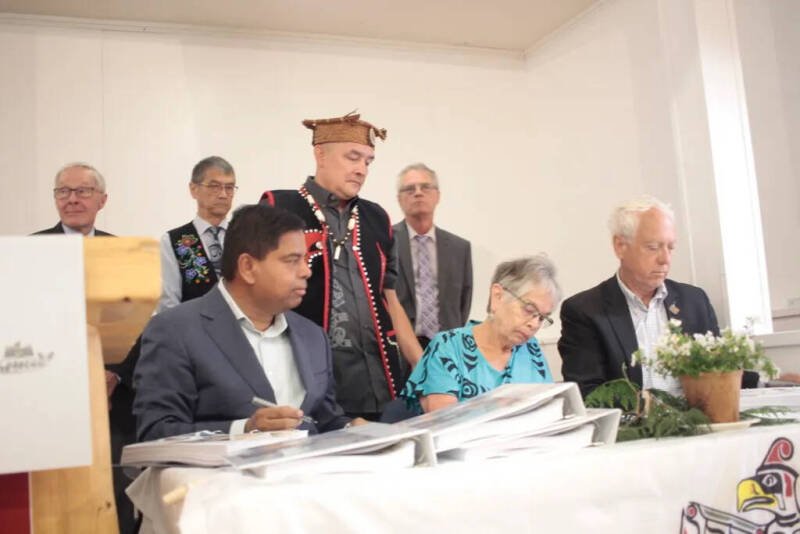
The Wei Wai Kum First Nation, based in Campbell River, British Columbia, has formally requested a pause in the ongoing K’ómoks Treaty process. This significant move comes as the Nation prepares to hold a cultural gathering to discuss proposed amendments to the treaty. The gathering aims to give community members a chance to fully understand and provide feedback on these changes.
Essentially, the Wei Wai Kum First Nation wants the treaty negotiations to slow down so they can have a proper discussion about some changes that have been proposed. They believe it's important for everyone in the community to understand the implications of these changes before moving forward.
Treaty negotiations between First Nations and the Canadian government are complex and lengthy processes. They aim to define the rights and responsibilities of both parties, often covering land ownership, resource management, self-government, and other crucial aspects. These treaties are considered fundamental to reconciliation and building a new relationship based on mutual respect and understanding.
The K’ómoks First Nation, located on Vancouver Island, has been involved in this treaty process for a considerable period, seeking to establish a modern treaty that reflects their inherent rights and title. However, the Wei Wai Kum First Nation's request for a pause highlights potential complexities and disagreements that can arise even within the broader context of reconciliation.
This development is significant for several reasons. Firstly, it underscores the importance of internal consultation and community consent within First Nations when engaging in treaty negotiations. A treaty that doesn't have the full support and understanding of the community risks creating divisions and undermining the long-term goals of reconciliation.
Secondly, it highlights the challenges inherent in balancing the desire for progress with the need for thorough and inclusive decision-making. Rushing through treaty negotiations can lead to unintended consequences and may not adequately address the concerns and needs of all community members. This could create issues for future generations.
Finally, this situation serves as a reminder that reconciliation is not a simple or straightforward process. It requires ongoing dialogue, mutual respect, and a willingness to address difficult issues openly and honestly. This setback shows that there may be hurdles to be overcome.
In our opinion, the Wei Wai Kum First Nation's request is a responsible and necessary step. A pause allows for careful consideration of the proposed amendments and ensures that all community members have a voice in shaping the future treaty. Ignoring this call could lead to long-term problems and undermine the integrity of the treaty process. We believe that the Canadian government and the K'ómoks First Nation should give the request due attention.
It’s crucial that the government and the K'ómoks First Nation listen carefully to the concerns of the Wei Wai Kum First Nation. This situation underscores the fact that treaty negotiations are not just legal processes but also deeply cultural and community-driven endeavors.
This situation could impact the timelines of the treaty process. Delays, while sometimes frustrating, are preferable to pushing forward without adequate consultation. The long-term benefits of a well-considered treaty far outweigh any short-term inconveniences.
The future of the K’ómoks Treaty process will depend on how all parties respond to the Wei Wai Kum First Nation's request. A collaborative and respectful approach, prioritizing community engagement and open dialogue, will be crucial for finding a way forward. If successful, this could lead to a stronger, more sustainable treaty.
It is likely that further discussions and negotiations will be required to address the concerns raised by the Wei Wai Kum First Nation. The outcome of these discussions will have significant implications for the K’ómoks First Nation, the Wei Wai Kum First Nation, and the broader reconciliation efforts in British Columbia. This could impact relationships between these nations as well as set a precedent for future treaty negotiations. This could impact the future of resource management and self-government in the area.
Looking ahead, this situation could serve as a valuable learning experience for all involved in treaty negotiations. It highlights the importance of internal consultation, community consent, and the need for flexibility in the treaty process. In the long run, these lessons could contribute to more effective and sustainable reconciliation efforts.