US-Iran Peace Talks Fail: What it Means for the Middle East
US-Iran peace talks collapse after failing to reach an agreement. Learn why this matters, get our analysis, and see the future outlook for the Middle East.
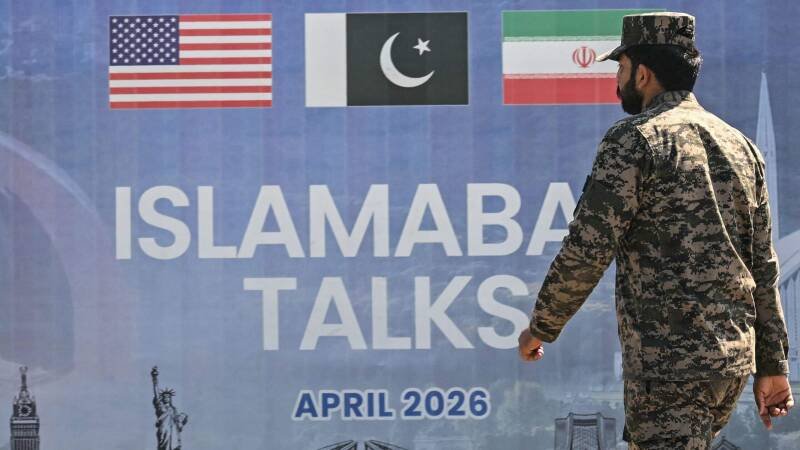



US-Iran peace talks collapse after failing to reach an agreement. Learn why this matters, get our analysis, and see the future outlook for the Middle East.
After a prolonged period of intense negotiations, the United States and Iran have failed to reach a peace agreement aimed at resolving the ongoing conflict in the Middle East. Iranian media outlets have reported that no further negotiations are currently planned, signaling a significant setback in efforts to de-escalate the situation.
The talks, which lasted for several weeks, were initiated in response to a six-week period of heightened conflict and instability across the region. The goal was to find common ground and establish a framework for long-term peace and stability. However, deep-seated disagreements and unresolved issues ultimately prevented a successful outcome.
The failure of these peace talks carries significant implications for the already volatile Middle East. It suggests that the underlying tensions and conflicts between the US and Iran, and their respective allies, remain unresolved. This increases the risk of further escalation, potential for proxy wars, and the potential for humanitarian crises.
For the global community, this news highlights the complexities of international diplomacy and the challenges in resolving conflicts with deeply entrenched historical and ideological roots. It also underscores the need for continued efforts to find alternative pathways to peace and stability.
In our opinion, the collapse of these talks is a disappointing, but not entirely unexpected, development. The relationship between the US and Iran has been strained for decades, marked by mutual distrust and conflicting geopolitical interests. The six weeks of war, while serving as a catalyst for these discussions, may have hardened positions on both sides.
One key factor contributing to the failure likely involves disagreements over issues such as Iran's nuclear program, its support for regional proxies, and US sanctions. Finding a compromise that addresses these complex and interwoven concerns proved to be an insurmountable challenge in the given timeframe.
The immediate future remains uncertain. With no new negotiations planned, the focus will likely shift to managing the fallout from the failed talks and preventing further escalation. This could involve increased diplomatic engagement with other regional and international actors, as well as efforts to strengthen existing security arrangements.
However, a long-term resolution to the underlying issues requires a fundamental shift in approach. This could involve exploring alternative diplomatic channels, addressing the root causes of the conflict, and fostering greater understanding and cooperation between the US and Iran.
This could impact the entire geo-political landscape of the region. It will be important to monitor the situation carefully and to support efforts aimed at promoting peace and stability. The stakes are high, and the consequences of inaction could be devastating.
Ultimately, building a lasting peace will require a sustained commitment to dialogue, compromise, and a willingness to address the legitimate concerns of all parties involved. Whether that is possible in the current climate remains to be seen.