Walkerville Grocery Grant Denied: Bias Allegations and Future Implications
Walkerville Grocery partners allege anti-Butte bias sabotaged their state grant application. We break down the controversy, its impact, and what the future holds.



Walkerville Grocery partners allege anti-Butte bias sabotaged their state grant application. We break down the controversy, its impact, and what the future holds.
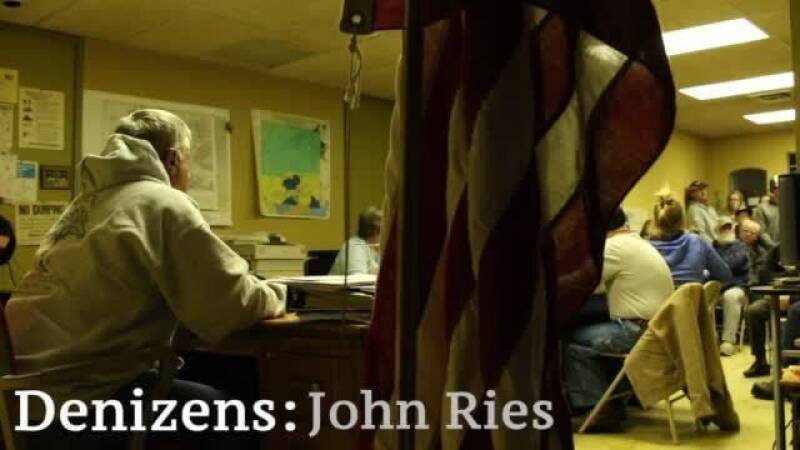
The Walkerville Grocery project, a venture aimed at revitalizing a community by providing access to fresh food, has hit a significant roadblock. Partners Clark Grant and Dan Hogan allege that anti-Butte bias within the Montana Agriculture Development Council (ADC) sabotaged their application for a crucial state grant. The controversy stems from discussions held during the council's review process, where disparaging remarks about Walkerville were reportedly made by at least one council member.
Walkerville, a small town near Butte, Montana, has long suffered from limited access to fresh and affordable groceries. The Walkerville Grocery project aimed to address this issue by establishing a local store offering fresh produce, meats, and other essential food items. The partners believed the grocery store would not only improve the health and well-being of residents but also stimulate economic activity in the area.
Grant and Hogan submitted a grant application to the ADC, hoping to secure state funding to help launch the grocery store. However, their application was ultimately denied. Following the denial, concerns arose about the fairness and impartiality of the review process. Specifically, it was alleged that a member of the ADC expressed negative sentiments about Walkerville during the council's deliberations. These remarks, according to Grant and Hogan, unfairly prejudiced the council against their application.
This situation highlights a critical issue: the potential for bias to influence decisions regarding resource allocation in rural communities. If proven, the allegations of bias raise serious questions about the fairness and transparency of the ADC's grant review process. It could also discourage other entrepreneurs in similar communities from seeking state funding, hindering economic development in areas that need it most.
Furthermore, the denial of the grant threatens the viability of the Walkerville Grocery project. Without state funding, the partners may struggle to secure the necessary resources to establish the store, leaving the community without much-needed access to fresh food.
In our opinion, the allegations of bias warrant a thorough investigation. The ADC has a responsibility to ensure that its decisions are based on objective criteria and that all applicants are treated fairly, regardless of their location. The reported disparaging remarks are troubling and suggest a potential lack of understanding of the challenges faced by small, rural communities like Walkerville.
It's important to remember that access to fresh food is a fundamental need. Projects like the Walkerville Grocery play a crucial role in addressing food insecurity and promoting healthy lifestyles in underserved areas. This could impact not only the health of residents but also the economic well-being of the community.
The future of the Walkerville Grocery project remains uncertain. Grant and Hogan may need to explore alternative funding sources, such as private investment or community fundraising. They may also consider appealing the ADC's decision or seeking legal recourse.
Moving forward, it is essential that the ADC takes steps to address the concerns raised about its grant review process. This could include implementing bias training for council members, establishing clearer evaluation criteria, and ensuring that all deliberations are conducted in a fair and impartial manner. This could greatly improve the public's trust in future grant distributions.
Ultimately, the success of the Walkerville Grocery project will depend on the resilience and determination of Grant and Hogan, as well as the support of the local community and a fair and impartial evaluation process by the ADC in the future. It's important for the ADC to remember their role is to help and uplift the communities of Montana.