US Aircraft Carrier 5-Mile Rule: Understanding the Exceptions and Why It Matters
Explore the US Navy's 5-mile rule for aircraft carriers, when it's broken, and the strategic implications. Learn why this rule is crucial for carrier defense and the future challenges facing naval power.
The US Navy's Aircraft Carrier "5-Mile Rule": A Line in the Sand
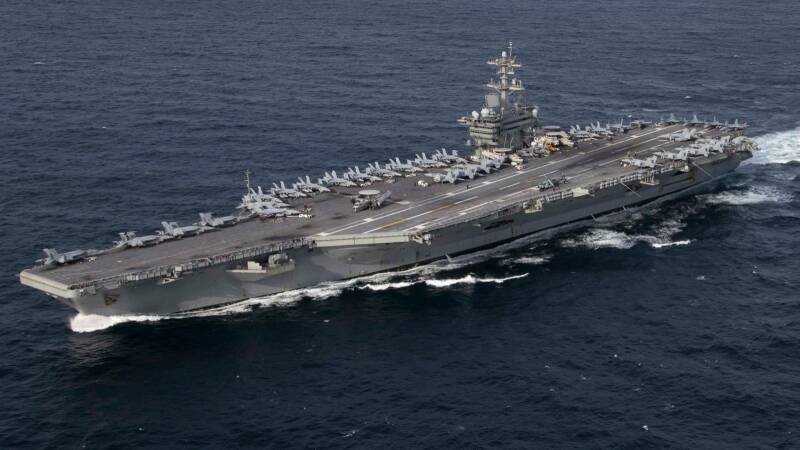
The mighty US aircraft carrier, a symbol of American power projection, operates under a strict, but sometimes bent, guideline: the "5-mile rule." This unwritten but understood policy dictates that other vessels, particularly potentially hostile ones, should ideally be kept at least five nautical miles away from the carrier.
What is the 5-Mile Rule?
Think of it as a floating, mobile exclusion zone. The 5-mile radius isn't a physical barrier, but a layered defense strategy aimed at giving the carrier and its escorts enough time to react to threats.
Within this zone, the carrier strike group maintains heightened vigilance. Closer than 5 miles, reaction times dwindle, and the risk of a successful attack increases exponentially.
Why is the 5-Mile Rule Important?
This buffer zone provides critical space for the carrier's layered defense systems to function effectively. These defenses include:
- Long-Range Detection: Radar and other sensors detect threats from hundreds of miles away.
- Aegis Combat System: Guided missile cruisers and destroyers equipped with the Aegis system intercept incoming missiles and aircraft.
- Close-In Weapon Systems (CIWS): If a threat penetrates the outer layers, CIWS, like the Phalanx, provide a last-ditch defense against incoming missiles and small boats.
The 5-mile zone ensures these systems have the time and space they need to engage and neutralize threats, forming a ‘defense in depth’.
When is the 5-Mile Rule Broken?
Despite its importance, the 5-mile rule isn't unbreakable. There are specific scenarios where it might be compromised:
- Navigational Constraints: In narrow waterways or congested shipping lanes, maintaining a 5-mile buffer from all vessels might be impossible.
- Search and Rescue Operations: When assisting distressed vessels, the carrier might need to approach closer than 5 miles.
- Humanitarian Assistance: During disaster relief efforts, the carrier may need to enter ports to deliver aid, necessitating a breach of the 5-mile rule.
- Escorting Allies: If operating jointly with allies, particularly those with less advanced defense systems, the carrier might close the distance to offer protection.
In these situations, the carrier will rely on heightened security measures, including increased surveillance, armed escorts, and constant communication with surrounding vessels.
Why This News Matters
Understanding the 5-mile rule provides insight into the complex planning and strategies behind US naval operations. It demonstrates the importance of layered defense and the constant vigilance required to protect these valuable assets. Recognizing when and why the rule is broken shows the flexibility and adaptability necessary in real-world scenarios.
Our Analysis
In our opinion, the 5-mile rule is a crucial component of aircraft carrier defense, reflecting a careful calculation of risk and response time. The fact that it can be broken underscores the importance of human judgment and adaptability in naval operations. The US Navy constantly balances the need for security with the realities of operating in a complex and unpredictable maritime environment.
It is important to consider this rule in the context of modern threats. The rise of hypersonic missiles and advanced submarines presents new challenges that could potentially reduce the effectiveness of the 5-mile buffer. In our opinion, the Navy must continuously adapt its defense strategies to counter these evolving threats.
Future Outlook
The future of the 5-mile rule will likely depend on technological advancements and geopolitical shifts. As new weapons systems emerge, the Navy will need to refine its defensive strategies to maintain the carrier's vulnerability. This could involve:
- Developing new defensive technologies: Investing in advanced missile defense systems and electronic warfare capabilities.
- Improving sensor technology: Enhancing radar and sonar capabilities to detect threats at greater distances.
- Strengthening international partnerships: Working with allies to improve maritime security and share information.
This could impact the design of future carriers and their escort vessels. Further, increased automation and artificial intelligence may play a larger role in threat assessment and response, potentially altering the dynamics of carrier defense.
In conclusion, while the 5-mile rule provides a vital framework for aircraft carrier defense, its continued relevance will depend on the Navy's ability to adapt to the ever-changing challenges of modern naval warfare.