Trump's Medicaid Crackdown: Few Undocumented Enrollees Found
An investigation into Trump administration efforts to identify undocumented Medicaid recipients finds surprisingly few ineligible enrollees. Understand the implications.
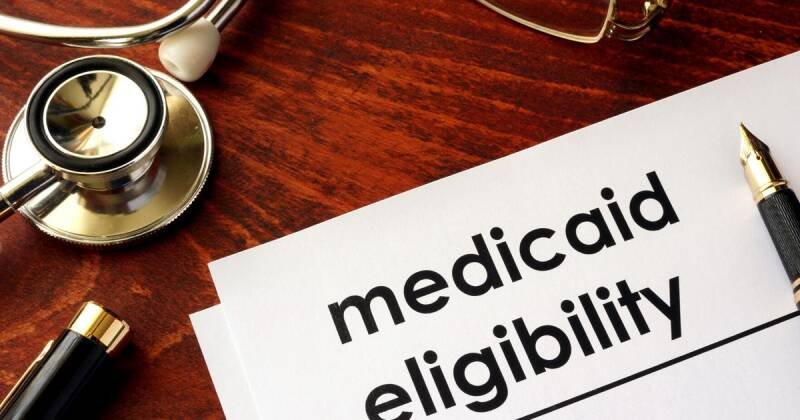



An investigation into Trump administration efforts to identify undocumented Medicaid recipients finds surprisingly few ineligible enrollees. Understand the implications.
A federal government initiative launched under the Trump administration, aimed at identifying and removing undocumented immigrants from Medicaid rolls, has yielded surprisingly few ineligible enrollees. This effort, initiated in August, involved sending states the names of hundreds of thousands of Medicaid recipients and directing them to verify immigration status.
The stated goal of the initiative was to eliminate fraud and abuse within the Medicaid system by ensuring that only eligible U.S. citizens and legal residents received benefits. The Trump administration argued that undocumented immigrants receiving Medicaid benefits placed an undue burden on taxpayers and strained state resources.
However, preliminary results suggest that the number of ineligible enrollees identified through this process is significantly lower than anticipated. While specific numbers vary by state, the overall trend indicates that the vast majority of Medicaid recipients flagged for verification were indeed eligible for benefits. This suggests that existing verification processes were already effectively preventing widespread enrollment of undocumented immigrants.
This news is significant for several reasons:
In our opinion, this investigation underscores the need for evidence-based policymaking. The Trump administration's initiative appears to have been driven by a broader political agenda rather than a genuine concern about widespread fraud. The relatively low number of ineligible enrollees suggests that the existing verification processes were already effectively preventing undocumented immigrants from accessing Medicaid benefits.
Furthermore, the cost and administrative burden associated with this initiative may have been significant. The resources spent on identifying and verifying immigration status could have been better allocated to other healthcare priorities. This could impact state budgets and healthcare access for eligible residents.
It's also worth noting that this type of initiative can create a climate of fear and distrust within immigrant communities, discouraging eligible individuals from seeking necessary healthcare services. This can have negative consequences for public health and overall community well-being.
The Biden administration is unlikely to continue this specific initiative. However, the debate over immigration and healthcare is likely to persist. Future policy discussions will need to consider the following:
Moving forward, it is crucial to have open and honest conversations about these issues, grounded in evidence and guided by principles of fairness and compassion. In our opinion, focusing on strengthening existing verification processes and addressing the root causes of healthcare disparities is a more effective and humane approach than pursuing costly and often ineffective enforcement measures.
This situation serves as a reminder that assumptions about widespread fraud in government programs should be thoroughly investigated before implementing large-scale enforcement efforts. A careful analysis of the data is essential to ensure that policies are effective, efficient, and fair.